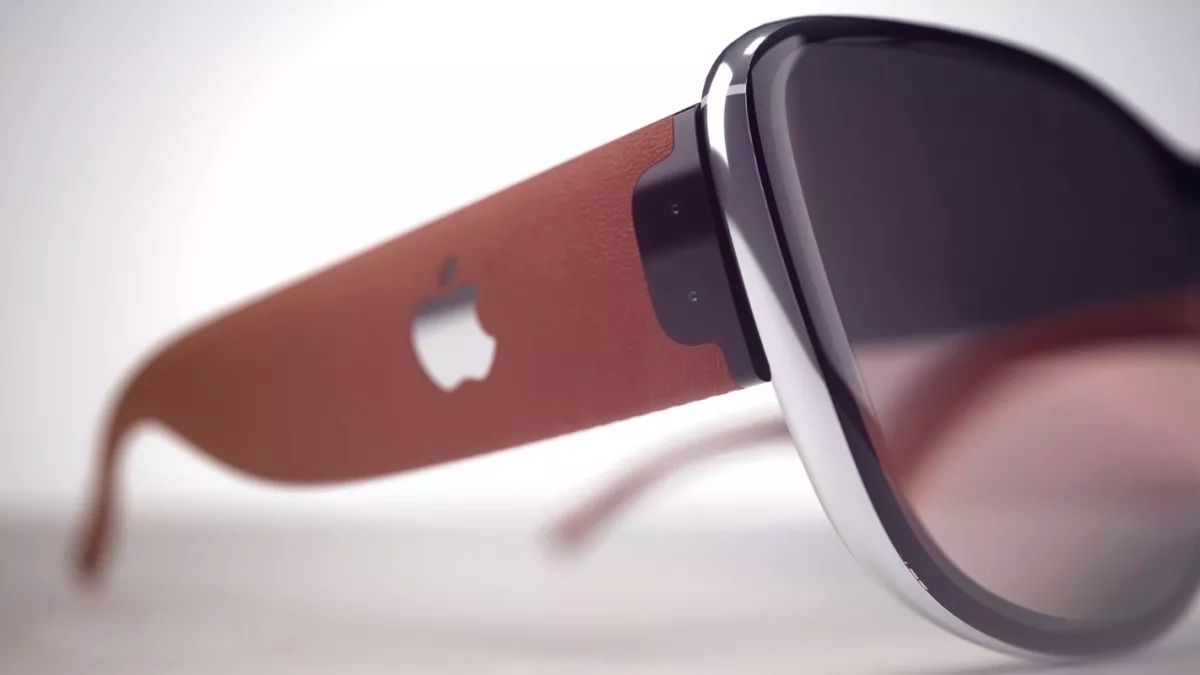
Apple is reportedly developing display-less AI smart glasses for a late-2026/early-2027 debut, with store availability targeted for 2027. The glasses are expected to feature a higher-end acetate build, multiple frame styles, cameras, microphones, sensors, and AI capabilities tied to Siri and Apple Intelligence. The broader wearable strategy also includes new AirPods and a camera-equipped pendant, signaling an expanded push into AI-powered consumer devices.
This is less a near-term product call than a re-rating signal for Apple’s optionality in ambient computing. The key second-order effect is not unit volume in 2027, but Apple reasserting control over the next consumer interface layer before a competitor normalizes the category; that preserves ecosystem lock-in and extends the wearable attach rate across iPhone, AirPods, and Watch. If the company can make AI glasses feel like a fashion object rather than a gadget, it widens the TAM beyond tech enthusiasts and reduces the historical adoption penalty for camera-first wearables.
The competitive read-through is asymmetric: Meta has a first-mover advantage in hardware learning, but Apple can win on margin structure and channel conversion if design becomes the purchasing trigger. That raises pressure on consumer electronics suppliers with optical, sensor, and enclosure exposure because Apple’s design requirements tend to concentrate share among a smaller set of high-spec vendors, while weaker commodity suppliers get disintermediated. The bigger strategic risk for Meta is not immediate share loss in glasses, but that Apple’s entry legitimizes the category and shifts consumer expectations toward premium branding, where Meta is structurally weaker.
Timing matters. This is a multi-quarter-to-multi-year catalyst, so the equity impact should show up first in expectations management rather than revenue. Near-term upside for AAPL is modest because the market already prices long-dated product incubation, but any evidence of ecosystem-level AI utility in wearables should improve sentiment around services durability and hardware refresh cadence. The main bear case is execution: if the product is stylish but functionally constrained, it risks being a niche accessory with limited install-base expansion and little incremental monetization.
The contrarian angle is that investors may be over-indexing on display-less glasses as a consumer revenue driver when the real value may be data capture and context enrichment for Siri/Apple Intelligence. If Apple uses the device primarily to deepen on-device AI engagement, the monetization path could be indirect but more durable than the market expects. That makes the stock less about a one-time launch pop and more about optionality on a broader ambient-computing platform.
AI-powered research, real-time alerts, and portfolio analytics for institutional investors.
Request DemoOverall Sentiment
mildly positive
Sentiment Score
0.18
Ticker Sentiment
