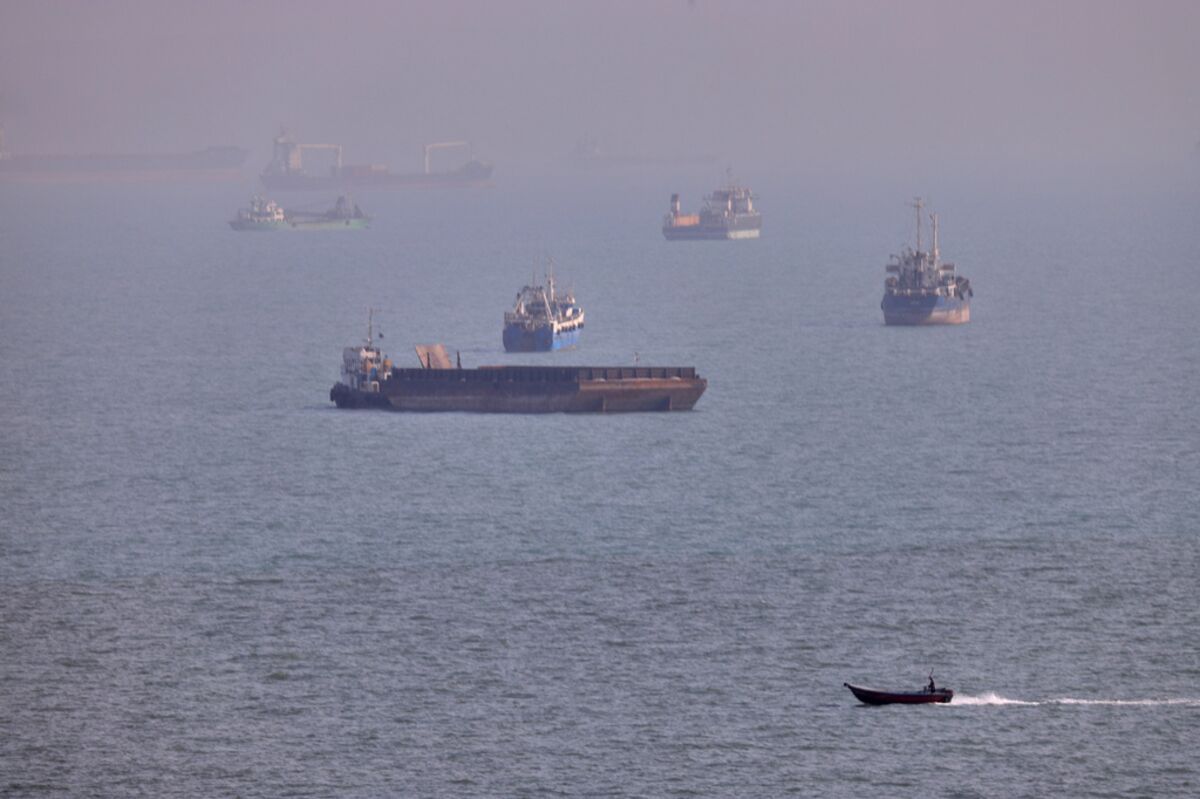
Iran said an Oman deal on Strait of Hormuz traffic management is agreed in principle and in its final stages, potentially enabling a partial reopening of the chokepoint. However, Iran’s Deputy Foreign Minister warned the agreement would not mean a full reopening, and Tehran said the US is not part of its negotiations. Oil traders remain cautious given the limited scope and ongoing uncertainty around how quickly maritime flows could improve.
The immediate market read is lower geopolitical risk premium in crude, but the setup is more about headline de-escalation than durable supply relief. Because the chokepoint is only being discussed as partially managed rather than functionally normalized, the first move is likely in front-end oil futures and the tanker/insurance complex, with the bigger question being whether physical flows, war-risk premia, and vessel routing actually improve over the next few weeks.
The cleanest losers are upstream energy beta and freight-sensitive inflation hedges: XLE/XOP, high-cost shale, and tanker names like FRO/STNG/TNK if charter rates soften. The second-order winner set is broader and underappreciated: airlines (JETS, DAL, UAL), parcel/trucking/logistics, and petrochemical/feedstock consumers such as DOW and LYB, which benefit if crude and distillates mean-revert faster than product demand. If the move sticks, it also trims the inflation impulse that has been supporting “higher-for-longer” rate expectations, which is a tailwind for long-duration equities.
The key risk is that this is a negotiation headline, not a verified corridor reopening. If insurance markets, AIS traffic, or vessel detention data do not improve within days, crude can snap back as traders reprice the premium rather than the barrels. Over 1-3 months, the thesis is falsified if sanctions enforcement tightens or if any incident in the strait reintroduces convoy risk; over 6-18 months, a durable bearish oil view only works if the arrangement becomes institutionalized and survives a change in regional signaling.
Contrarian view: the market may be underestimating how little true supply needs to change for oil to stay elevated when inventories are tight, but also overestimating the permanence of this geopolitical discount. A partial reopening that still requires discretionary permissions can actually make shipping less efficient without materially increasing throughput, limiting downside in crude while still pressuring tanker economics. That argues for tactical relative-value trades rather than outright macro shorts unless physical data confirms a real easing in transit risk.
AI-powered research, real-time alerts, and portfolio analytics for institutional investors.
Request DemoOverall Sentiment
mildly negative
Sentiment Score
-0.35
