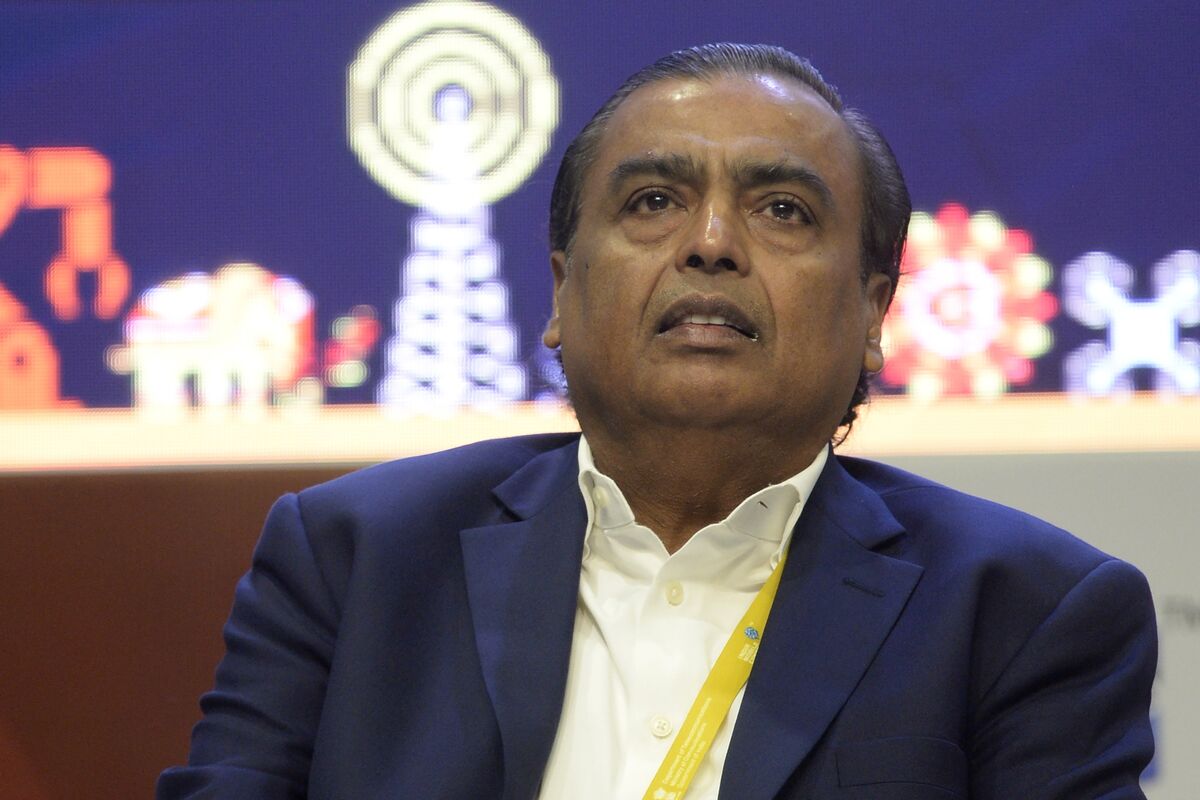
Indian billionaire Mukesh Ambani, chairman of Reliance Industries, has become collateral damage in the escalating trade dispute between the US and India, despite his prior association with President Trump. This development underscores how major international business figures can be adversely affected by broader geopolitical trade tensions.
Reliance Industries Ltd. (RELI) and its chairman, Mukesh Ambani, are now positioned as "collateral damage" in an escalating trade conflict between the United States and India. This development is particularly notable given Ambani's documented attendance at a pre-inauguration event for President Trump just seven months prior, highlighting a rapid deterioration in the operating environment for Indian multinationals exposed to US policy. The situation underscores the significant geopolitical risk faced by even the most well-connected international business leaders, where sovereign-level disputes can override prior relationships. The moderately negative sentiment (-0.5 for RELI) and classification under "Trade Policy," "Geopolitics," and "Tariffs" themes indicate that the market perceives this as a material external headwind, shifting focus from the company's operational performance to macroeconomic uncertainties.
AI-powered research, real-time alerts, and portfolio analytics for institutional investors.
Request DemoOverall Sentiment
moderately negative
Sentiment Score
-0.50
Ticker Sentiment
