



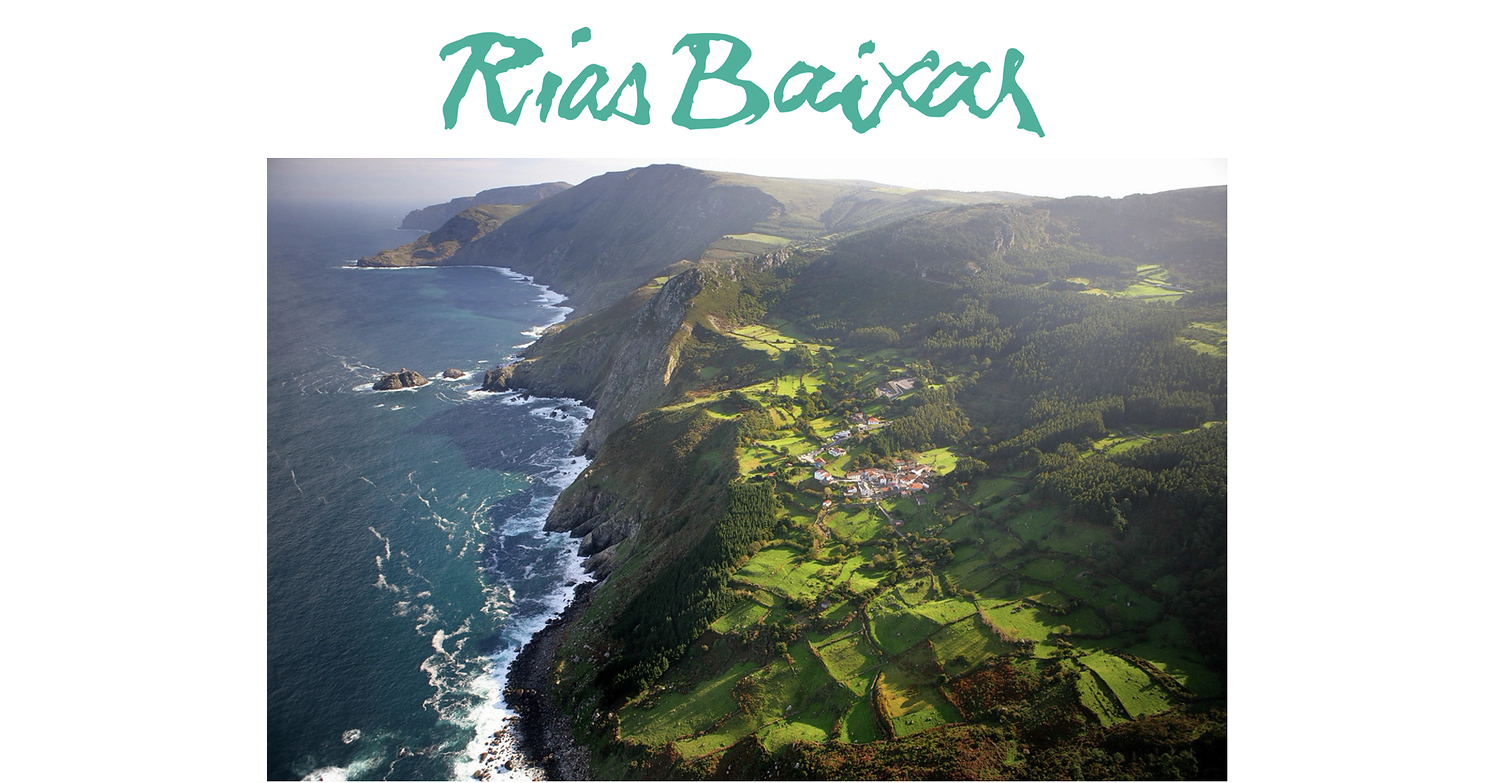
Ahead of Albariño Day on Aug. 1, D.O. Rías Baixas is highlighting rising U.S. demand for Albariño, noting the U.S. is the region’s largest export market and demand has grown over the past 25 years. The article cites scale of the Albariño festival (over 150,000 visitors in Cambados) and points to product innovation from family wineries (lees aging, single-vineyard bottlings, oak influence, and traditional-method sparkling) aimed at aligning with consumers’ increasing preference for crisp, food-friendly white wines.
This is more a seasonal merchandising campaign than a fundamental catalyst. For public comps, the economic impact is likely concentrated in mix and shelf-space defense rather than category growth: premium imported whites can gain incremental restaurant placements, but the spend pool is small and low-frequency, so any upside to distributors is probably basis points. The real second-order effect is competitive, with Albariño taking some occasion share from domestic Sauvignon Blanc/Pinot Grigio and private-label whites rather than driving net-new alcohol consumption.
Time horizon matters: over the next 1-3 months, the only actionable signal would be on-premise reorder rates and summer retail scan data; over 6-18 months, the question is whether premium white wine can continue outgrowing the broader beverage alcohol market in a softer consumer backdrop. The contrarian view is that this kind of PR usually appears when producers are trying to support price and velocity ahead of peak season, so the signal is weaker than the tone suggests. Falsifiers are straightforward: if restaurant traffic, imported white shipments, or premium wine depletions flatten into late summer, this is just marketing, not demand.
AI-powered research, real-time alerts, and portfolio analytics for institutional investors.
Request TrialOverall Sentiment
mildly positive
Sentiment Score
0.18
Ticker Sentiment
