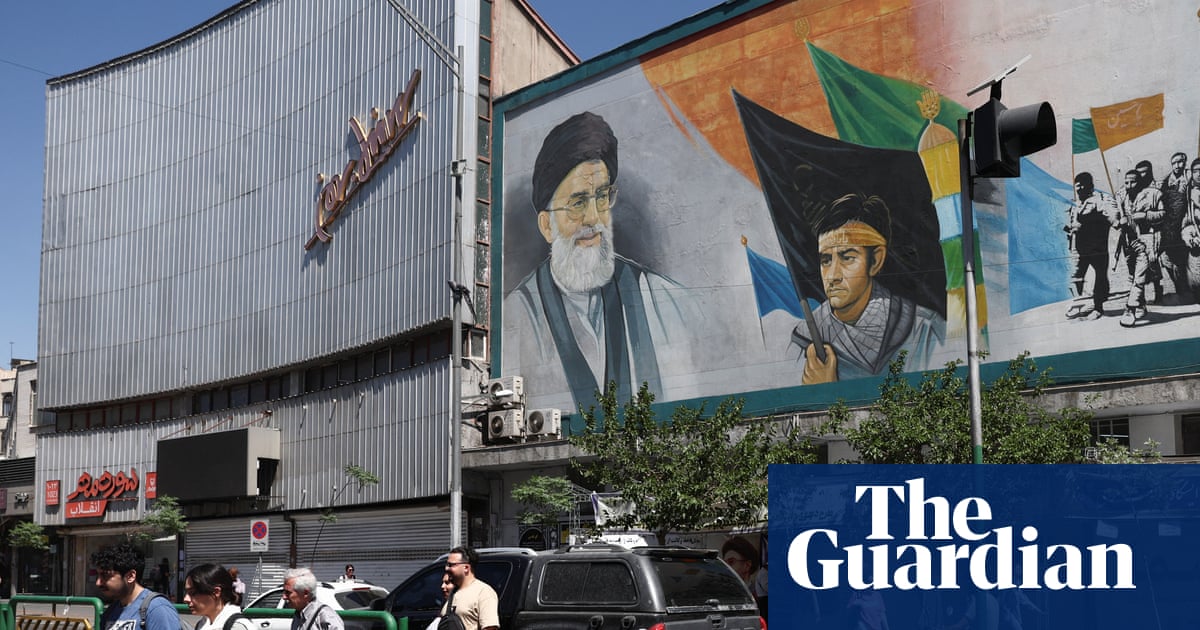
Iran said no deal with the US is imminent, citing contradictory US positions and Israeli interference, while insisting unresolved issues include Lebanon, enriched uranium and future terms for the Strait of Hormuz. The memorandum would still leave nuclear issues for a 60-day negotiating window, but the dispute over $12bn of frozen Iranian assets and shipping access keeps the talks fragile. The article points to elevated geopolitical risk for energy and shipping markets, even as both sides still leave room for a deal.
The market implication is less about a clean Iran-US breakthrough and more about a prolonged limbo in which headline risk stays elevated while physical flows remain hostage to incremental diplomatic friction. That favors volatility over direction: shipping, insurance, and regional risk premia can reprice quickly on any perceived de-escalation failure, even if crude itself does not immediately gap higher. The most important second-order effect is that uncertainty over the Strait of Hormuz becomes a bargaining chip, which can keep freight rates and tanker insurance bid even absent actual disruption.
Energy markets are likely to underprice the tail risk that this turns into a rolling series of partial arrangements rather than a comprehensive deal. In that scenario, the “safe passage” issue itself becomes a quasi-fee regime, which is economically similar to a transit tax without the political label; the winners would be owners of hard assets and fee-bearing logistics capacity, while refiners and consumers absorb the spread. Over 1-3 months, the larger risk is not a supply shock but a premium embedded in global crude benchmarks and refined-product cracks as traders hedge headline volatility.
A more subtle contrarian point: a deal that leaves missiles, proxies, and enrichment unresolved may actually be more stabilizing for near-term oil than a failed deal, because it creates a managed conflict floor. That can cap the upside in outright crude while still supporting defensive positioning in tankers, offshore services, and defense names tied to regional deterrence spending. The cleanest catalyst sequence is: no agreement, internet reopening, domestic unrest, then renewed external posturing — a mix that usually supports dispersion trades more than broad beta.
AI-powered research, real-time alerts, and portfolio analytics for institutional investors.
Request DemoOverall Sentiment
mildly negative
Sentiment Score
-0.15
