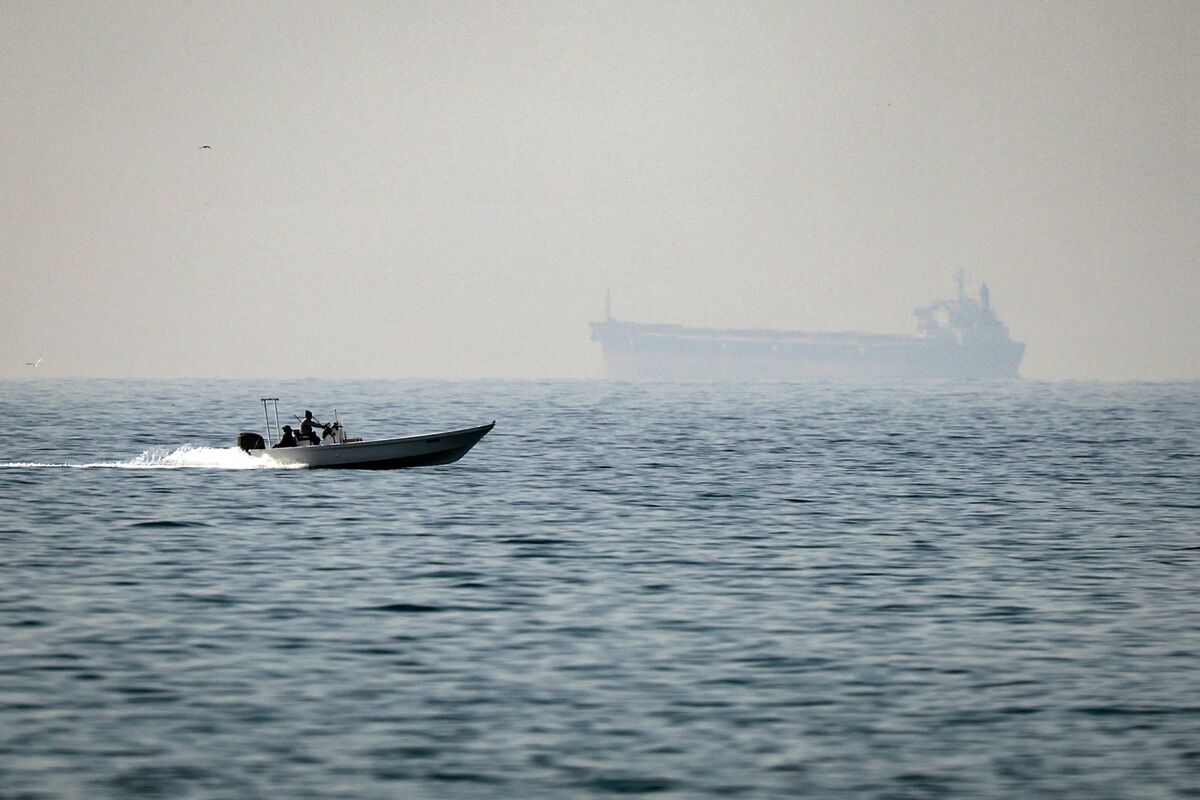
The closure of the Strait of Hormuz has disrupted the benchmark route used to calculate oil tanker hire rates, throwing a key tanker-market rate into chaos. This creates immediate uncertainty in pricing time-charters and benchmark calculations, risks increased volatility in freight rates and oil prices, and may force costly rerouting that widens charter spreads and disrupts energy supply chains.
A sudden invalidation of a primary voyage benchmark will immediately freeze price discovery in the shortest-tenor spot freight markets and push economic activity into longer, bilateral time-charter and fixture negotiations. Mechanically, longer routing and idling ships raise effective round-trip days per vessel; a 10-20% decline in effective fleet availability (days-chartered) is realistic in the first 2–6 weeks, which can multiply TCEs on short-notice voyages by 2x–4x versus last-month levels.
Owners with spot-exposed VLCC/Suezmax capacity and flexible commercial managers capture that premium first; counterparties locked into legacy time-charters or long-term crude offtake contracts face immediate margin squeezes and higher logistics basis costs. Secondary effects include Atlantic-basin crude reroutes that widen arbitrage windows (supporting coastal storage and prompt-loading prizes), and a spike in war-risk premia that effectively functions as a per-voyage tax on trade — underwriting and capital providers will reprice exposed counterparty limits within days.
Key catalysts that will resolve or reprice this dislocation are binary and fast: a diplomatic/military de-escalation (days–weeks) or emergency market mechanisms (insurance corridor, chartering consortia) that restore transparent benchmarks; conversely, prolonged uncertainty for months would compress time-charter supply and drive durable contracting at materially higher rates. Tail risks include escalation that removes a material portion of global crude seaborne capacity for multiple quarters, which would shift the winners to well-capitalized owners that can convert spot windfalls into secured revenue via time-charters.
The consensus knee-jerk to buy every shipping name is blunt; the more precise play is select exposure to low-leverage, spot-biased crude tanker owners while hedging the headline-reversal risk. Paper freight markets will lag and may remain illiquid — physical owners, not derivative traders, likely capture most of the near-term economic upside.
AI-powered research, real-time alerts, and portfolio analytics for institutional investors.
Request DemoOverall Sentiment
strongly negative
Sentiment Score
-0.60
