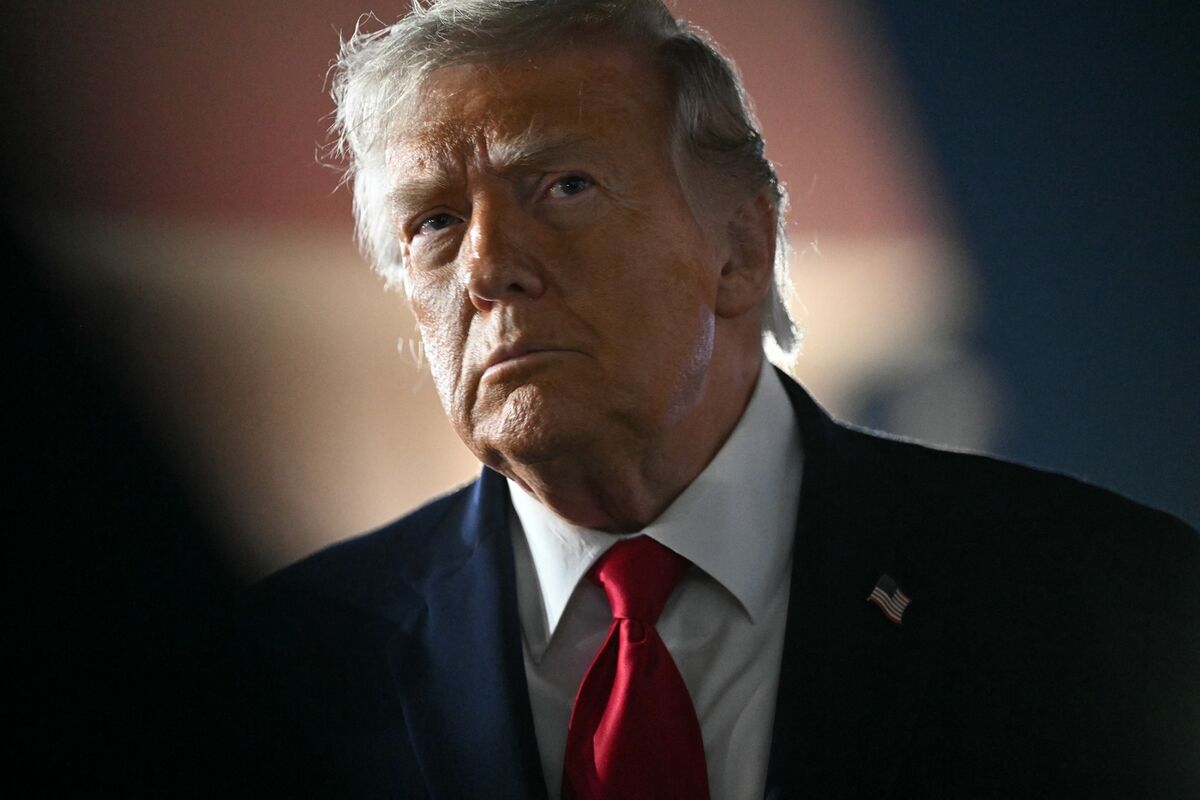
President Trump said Iran shot down a U.S. Apache helicopter over the Strait of Hormuz, though both pilots were reported safe and uninjured. He said the United States must respond, heightening geopolitical risk and threatening the peace deal he described as nearing completion. The incident raises the risk of retaliatory action and could pressure regional assets, especially energy markets.
This is a classic escalation shock with outsized short-horizon effects because it raises the probability of a premium being embedded into Gulf energy and freight even if no broader war follows. The first-order market move is crude, but the second-order winners are protection assets with direct exposure to disruption risk: offshore drillers, naval/security contractors, and high-cash-flow integrated names with trading books that monetize volatility. The more interesting read-through is that the Strait of Hormuz risk is not about lost barrels today; it is about the market repricing tail insurance on inventories, shipping routes, and regional military posture for the next several weeks.
The biggest loser set is not just airlines or transport, but any industrials with just-in-time Middle East-linked supply chains and thin margin buffers. If rhetoric turns into even a limited retaliatory cycle, tanker rates can gap higher before actual supply losses materialize, pressuring refiners and chemical producers globally through higher delivered feedstock costs. Defense primes and cyber/ISR vendors should outperform on the expectation of sustained surveillance, missile defense, and munitions replenishment demand, even if the headline event de-escalates.
The key catalyst window is days, not months: weekend diplomacy, allied force posture changes, and any further incidents around maritime traffic will determine whether this becomes a one-off risk premium or a durable regime shift. A reversal would likely require visible restraint and a credible back-channel that lowers the odds of follow-on strikes; absent that, volatility sellers are likely too early. The contrarian angle is that markets often overprice immediate supply loss and underprice policy response — if the US visibly surges naval assets and convoy protection, oil can mean-revert even while geopolitical tension stays high.
AI-powered research, real-time alerts, and portfolio analytics for institutional investors.
Request DemoOverall Sentiment
strongly negative
Sentiment Score
-0.72
