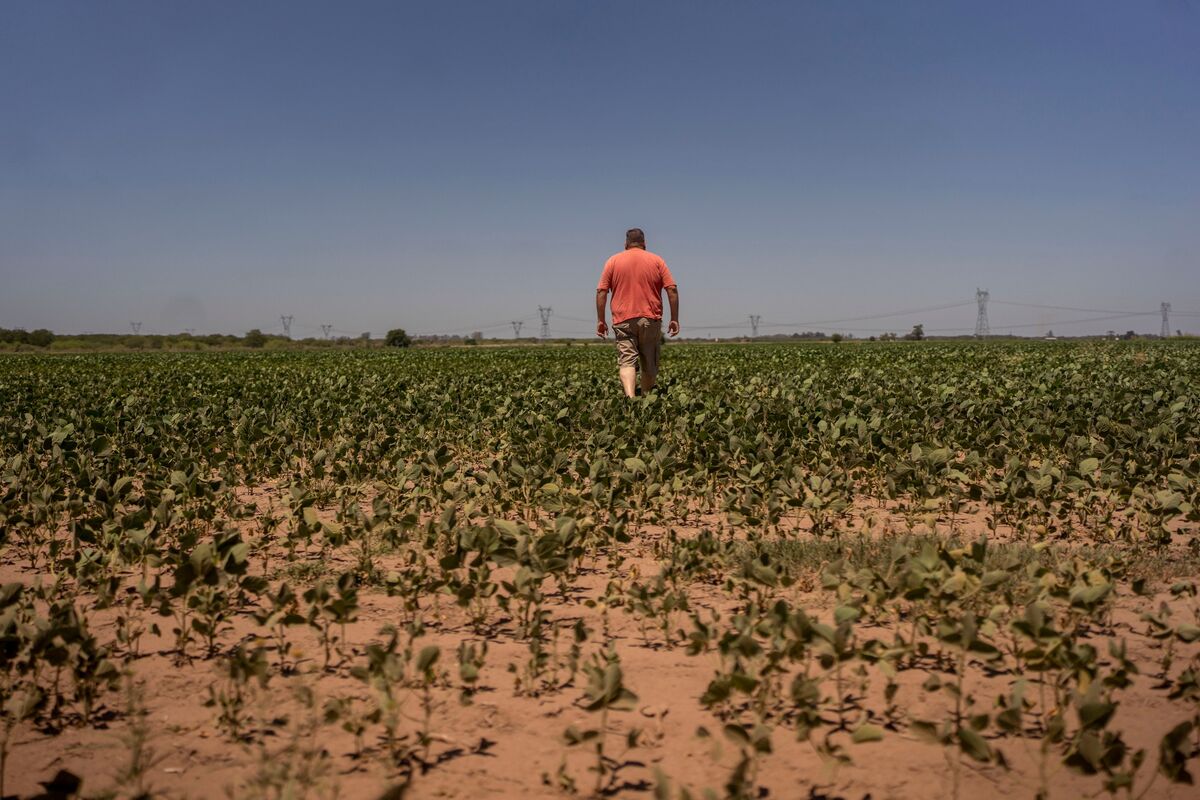
Warming oceans are driving a critical reevaluation of El Niño forecasting, a process essential for energy traders and farmers. This heightened focus is due to climate change intensifying extreme weather, with accurate El Niño and La Niña outlooks holding trillions of dollars in economic implications by dictating global weather patterns.
Warming Oceans Are Spurring a Rethink of El Niño Forecasting An accurate read is essential for energy traders and farmers, especially as a changing climate exacerbates extreme weather. This article is for subscribers only. Welcome to Weather Watch, our weekly newsletter on how the planet’s ever wilder weather patterns are impacting the global economy. Got feedback and forecasts? Write us at weatherteam@bloomberg.net. And sign up here if you’re not on the list already. Energy traders, farmers, and governments scrutinize El Niño and La Niña outlooks for clues on how the weather will shape up: wet or dry, hot or cold. At stake is trillions of dollars for the global economy. The increasing temperature of global oceans is compelling a fundamental reassessment of El Niño and La Niña forecasting models. This is a significant development for the global economy, as these weather patterns influence trillions of dollars in activity, particularly within the energy and agriculture sectors. The high market impact score of 0.7 underscores the critical nature of this issue. As climate change exacerbates extreme weather, the unreliability of traditional forecasting introduces substantial uncertainty for energy traders, farmers, and governments who depend on these outlooks to predict supply, demand, and potential disruptions. The resulting environment is characterized by heightened risk and volatility in commodity markets directly exposed to weather phenomena.
AI-powered research, real-time alerts, and portfolio analytics for institutional investors.
Overall Sentiment
moderately negative
Sentiment Score
-0.35
