
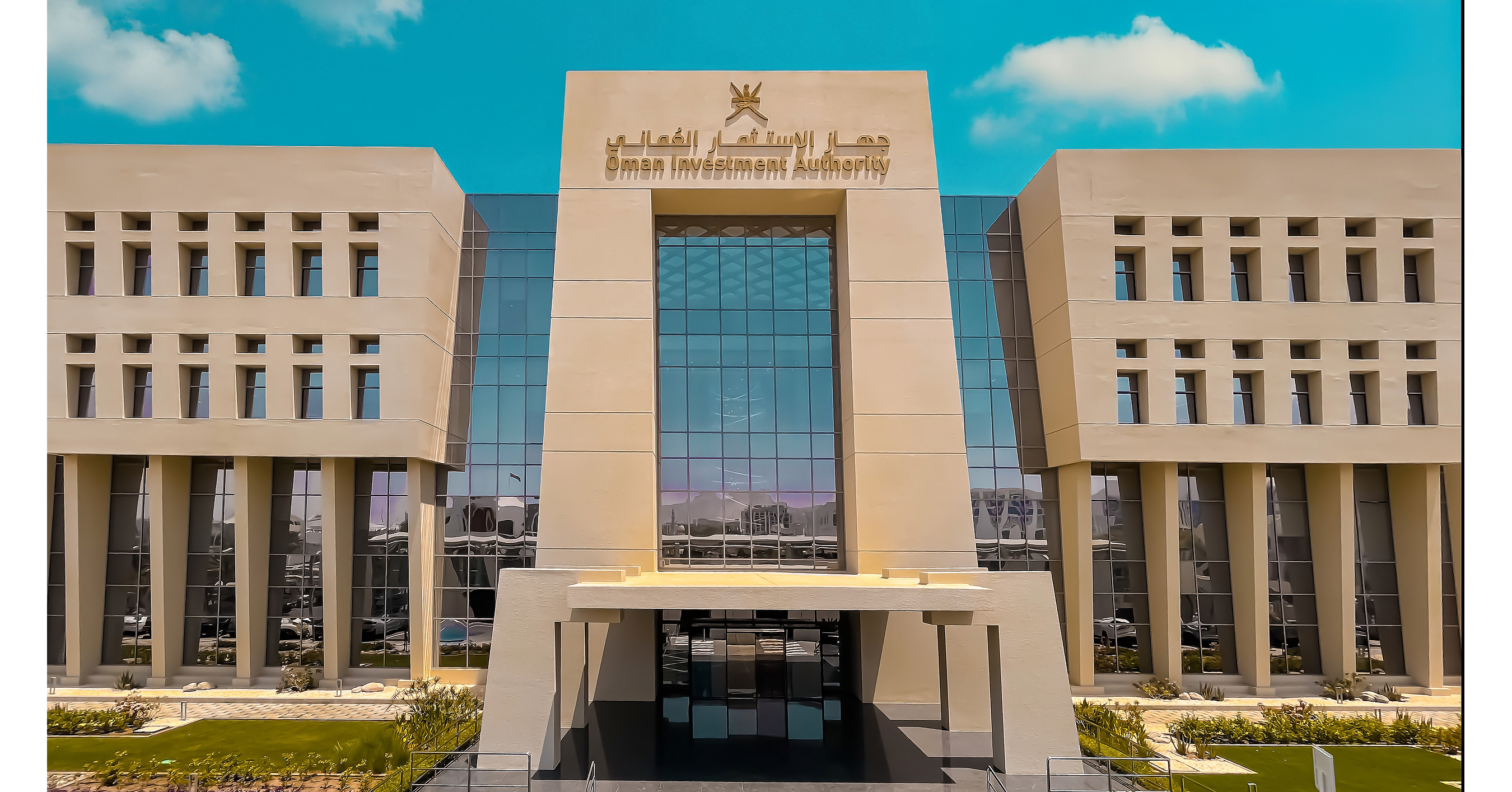
Future Fund Oman (OIA) unveiled 105 strategic projects totaling $1.744B, backed by $585M in fund commitments plus ~$458M in local investment, as Oman accelerates economic diversification under Vision 2040. Flagships include a 6GW Orion Solar integrated solar cell/module facility in Sohar Freezone and Gallant Industrial’s 66,000 tonnes/year LFP cathode material output for EV batteries. The package also adds $200M commitments each to Vivo Capital and Certares and a new $130M Healthcare Investment Fund, with further bets in tourism, food security, and an AI-driven cybersecurity venture (XCyber).
This reads more like a sovereign signaling event than an immediately monetizable operating catalyst. The investable winners are the project enablers—EPCs, equipment vendors, and private-capital sponsors that can lock in financing and local-content preferences—while the headline risk is that the economics sit on the sovereign balance sheet rather than in durable public-market cash flows. For listed equities, the direct P&L impact is likely negligible unless this becomes a repeatable procurement program with signed offtakes and bankable counterparties.
The second-order effect is competitive, not just domestic: Oman is trying to anchor itself into regional supply chains that are already overcapacity-prone in solar and battery materials. A small local plant can displace imports at the margin, but it is not large enough to change global pricing for modules, cathodes, or cybersecurity spend; the bigger read-through is that Gulf states are willing to subsidize industrial localization, which may lengthen the runway for China-exposed exporters to the region but also increase pressure on margins for anyone chasing Middle East share. Over 6-18 months, the real tell will be whether this attracts repeat foreign capital or stalls after the announcement phase.
Contrarian view: the market may be overestimating the durability of "vision" capex in a smaller economy with finite project execution capacity. If oil revenue softens or financing costs stay high, the portfolio can slip from catalyst to backlog very quickly. What would falsify the bearish skepticism is a sequence of signed EPCs, offtake agreements, and foreign co-investment disclosures over the next 1-3 quarters; absent that, the headline is likely to fade as a country-level development story rather than a listed-equity earnings driver.
AI-powered research, real-time alerts, and portfolio analytics for institutional investors.
Request TrialOverall Sentiment
mildly positive
Sentiment Score
0.35
Ticker Sentiment
