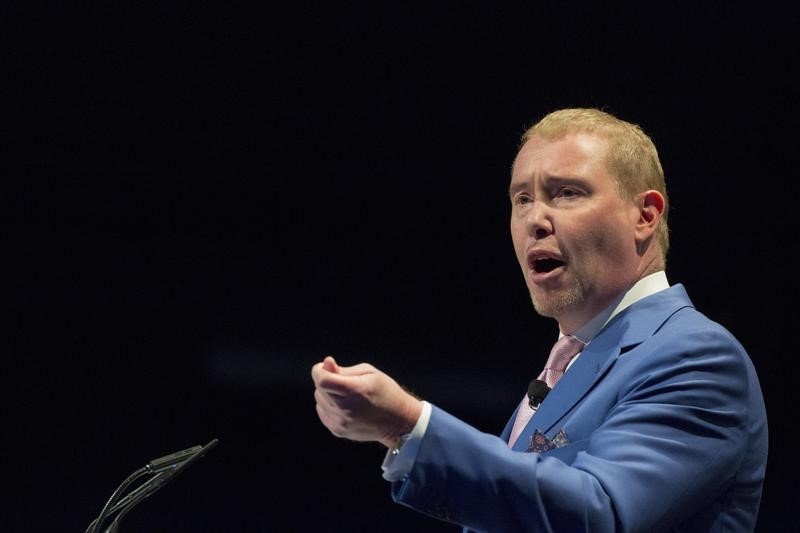
The U.S. 2-year Treasury yield has climbed ~50 basis points in under three weeks to a high of 3.928% (near 3.8% after a pullback), which Jeffrey Gundlach says now suggests a Fed rate hike may be coming. Fed funds futures still show little chance of an immediate hike, but odds of a rate cut this year have effectively disappeared as the Iran conflict pushed yields higher and raised inflation concerns; gold and silver prices fell as central banks flagged inflationary pressure from the war.
The rapid re-pricing of the front end is morphing risk premia: higher short-term yields are increasing the cost of carry for long‑duration and inventory‑heavy businesses while simultaneously raising the yield anchor for cash‑flow discounting. That combination compresses P/E multiples for long-duration growth names within weeks and shifts optionality toward cyclical capex beneficiaries where spend is mission‑critical (AI infra, energy capex).
Second‑order winners include short‑dated funding recipients (regional banks, money market funds) and hardware vendors with contracted backlog and pricing power — they can reprice into a higher funding curve faster than ad/consumer platforms that rely on elastic demand. Conversely, bullion is vulnerable not because inflation is impossible but because rising real yields increase the opportunity cost of holding non‑yielding assets; mining equities can decouple in the short term if input inflation (fuel, labor) spikes.
Key near‑term catalysts to watch are weekly money markets (SOFR fixings), two‑year swap spreads, upcoming CPI/PCE prints and any oil move >$5 on escalation — each can swing both nominal and real yields quickly. Tail risks: a sudden flight‑to‑safety would send real rates negative and vault gold higher, while a persisting inflation pulse would force longer‑dated yields up and steepen the curve despite front‑end moves.
Contrarian read: the market may be over‑discounting permanent policy tightening; if growth slows under higher short rates, front‑end repricing will reverse and re‑inflate duration assets. That asymmetry favors structured, paired positions (long cyclical capex exposure hedged by short duration growth) and small, option‑based hedges against rapid regime reversal.
AI-powered research, real-time alerts, and portfolio analytics for institutional investors.
Request DemoOverall Sentiment
mildly negative
Sentiment Score
-0.30
Ticker Sentiment
