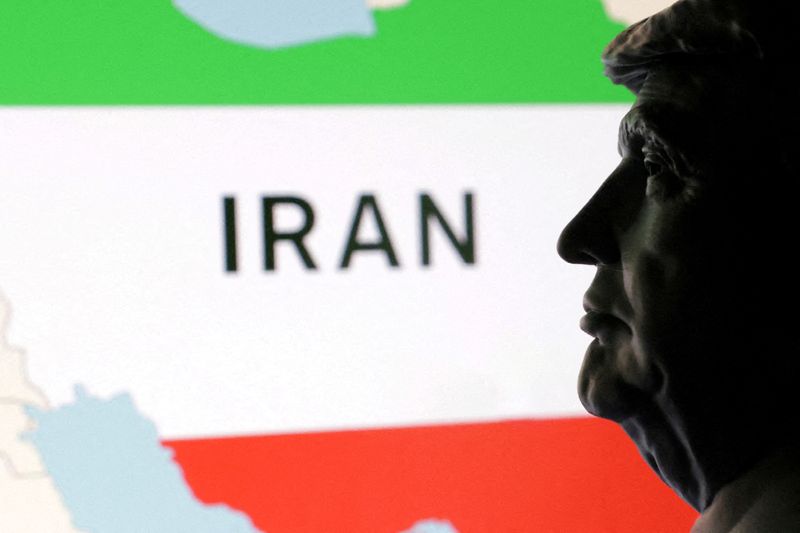
Oil briefly spiked to nearly $120/bbl amid Strait of Hormuz disruption fears but retreated after U.S. signals the assault on Iran may end soon; missile launches from Iran have fallen ~90% since the conflict began. Markets swung materially: bond yields initially rose then fell as oil reversed, Asian and European equities climbed while U.S. futures erased gains. G7 ministers are discussing emergency reserve releases, and prolonged disruption remains a downside risk that could revive stagflation concerns and pressure central bank policy.
The market is pricing a materially lower probability of a protracted Tehran-driven supply shock than it did at the peak of the move—this is a sentiment-driven unwind rather than a fundamentals reset. That means volatility will compress sharply in the near-term (days–weeks) while the structural drivers (capex discipline, spare capacity limits) remain intact so downside in oil is bound by inventory windows and shale reinvestment lags of 3–9 months. Expect dislocations across rate markets and risk assets to persist: a sustained $10/bbl move in Brent historically shifts 10y inflation breakevens by roughly 20–30bps over the subsequent 6–12 weeks, which can reprice growth-sensitive multiples faster than earnings can adjust.
Second-order winners from a short-lived de‑escalation are cyclicals levered to lower input inflation (airlines, industrials, consumer discretionary) and long-duration assets that benefit from falling breakevens. Losers if the market is wrong are shipping & marine insurers (short-duration spikes in freight/claims), energy services and mid‑cap E&Ps that rely on short-cycle cashflow to sustain dividends, and any consumer-exposed staples with thin pricing power. Critically, US shale is not an instantaneous supply plug: permits and well counts respond in sequential months, so price levels between now and the 3–9 month mark remain the dominant determinant of incremental US crude.
Key catalysts and time horizons: immediate (days) — sentiment and headline-driven squeezes; near-term (2–8 weeks) — G7/SPR coordination and position squaring; medium (3–9 months) — US shale response and inventory rebuild; long-term (1+ years) — structural underinvestment that keeps a higher floor under price. Reversal risks include a coordinated SPR release or diplomatic backchannel that materially reduces perceived tail risk (fast downward pressure), while targeted attacks on chokepoints or escalatory leadership decapitation would re-tighten curves and re-open a higher-for-longer narrative.
Positioning should be asymmetric: harvest premium from volatility compression while buying convex hedges that pay off under the low‑probability prolonged‑conflict outcome. Size trade tickets to reflect a binary path: small, high-convexity hedges now and larger directional positions only after a confirmed medium-term trend (inventory trajectory, rig count) emerges.
AI-powered research, real-time alerts, and portfolio analytics for institutional investors.
Request DemoOverall Sentiment
mixed
Sentiment Score
-0.05
