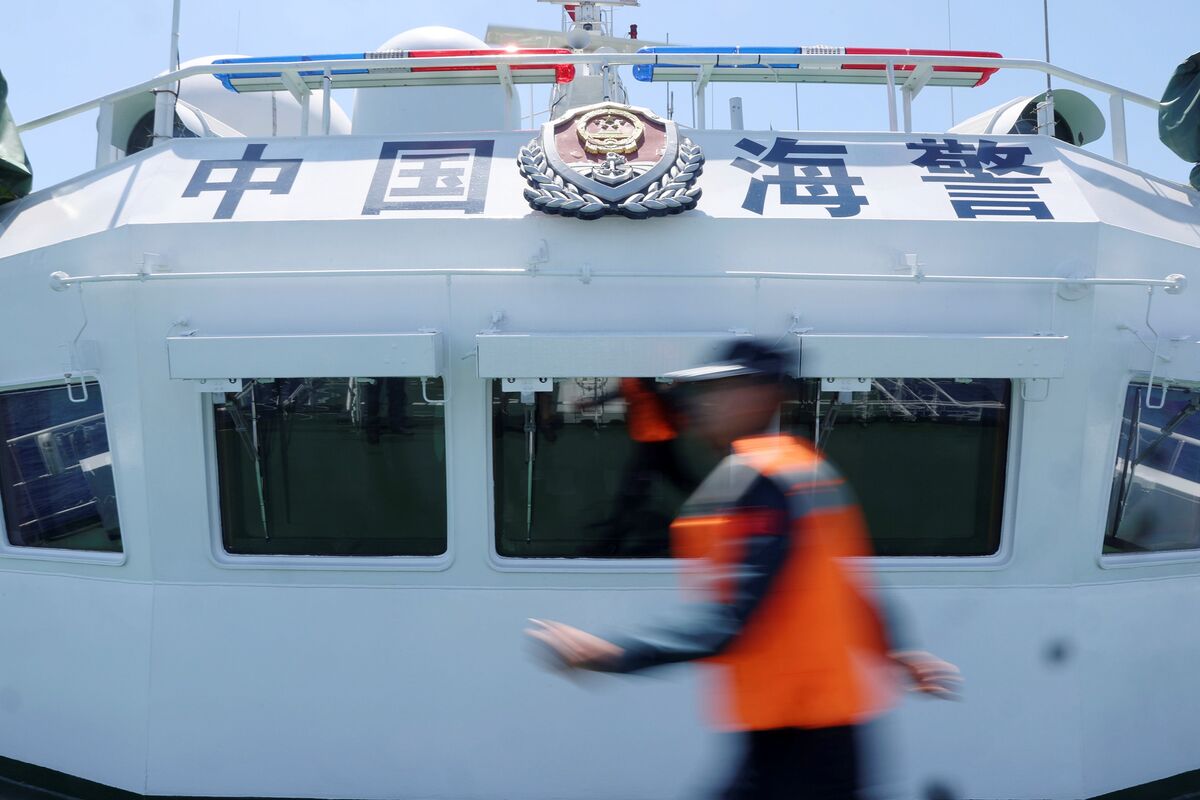
China sent Coast Guard vessels on law enforcement patrols east of Taiwan after Japan and the Philippines agreed to hold talks on maritime borders in the area. Beijing said the discussions seriously infringed on its territorial sovereignty and maritime rights, signaling heightened regional tensions. The development is negative for geopolitical risk sentiment, though the immediate market impact is likely limited unless it escalates further.
This is less about immediate military escalation and more about normalization of coercive signaling around maritime claims. The key market implication is not a direct shock to global trade, but a gradual increase in policy friction that raises the probability of inspection delays, permitting drag, and insurance premium creep across East Asian shipping lanes over the next few months. That tends to matter first for firms with high Taiwan Strait exposure, thin inventory buffers, or just-in-time component sourcing rather than for broad macro indices.
The second-order winners are defense, ISR, and coast-guard-adjacent procurement chains across Japan and the Philippines, plus shipbuilding, radar, drones, and maritime surveillance vendors. The losers are logistics-heavy manufacturers and carriers with route optionality constrained by geopolitics; even a small rise in rerouting or convoying costs can compress margins faster than revenue because freight contracts adjust with a lag. If the rhetoric keeps hardening, expect regional governments to accelerate budget approvals for coastal surveillance and port hardening within 1-2 quarters.
The contrarian view is that markets often overprice headline escalation while underpricing the bureaucratic response function. This kind of move is usually designed to impose costs without crossing a threshold that would trigger a sustained military or sanctions response, so the immediate tail risk is lower than the optics suggest. The real catalyst is repeated incidents: a cluster of patrols, boarding disputes, or live-fire exercises would convert nuisance risk into a discountable earnings issue for exposed industrials and shippers.
For positioning, the cleaner expression is to own beneficiaries of persistent regional militarization while fading companies dependent on frictionless intra-Asia logistics. The trade should be sized for headline noise but monitored for follow-through in maritime insurance, port throughput, and defense procurement cadence. If the event remains isolated, the market will likely fade it within days; if it becomes a weekly pattern, the rerating window shifts to months.
AI-powered research, real-time alerts, and portfolio analytics for institutional investors.
Request DemoOverall Sentiment
mildly negative
Sentiment Score
-0.20
