
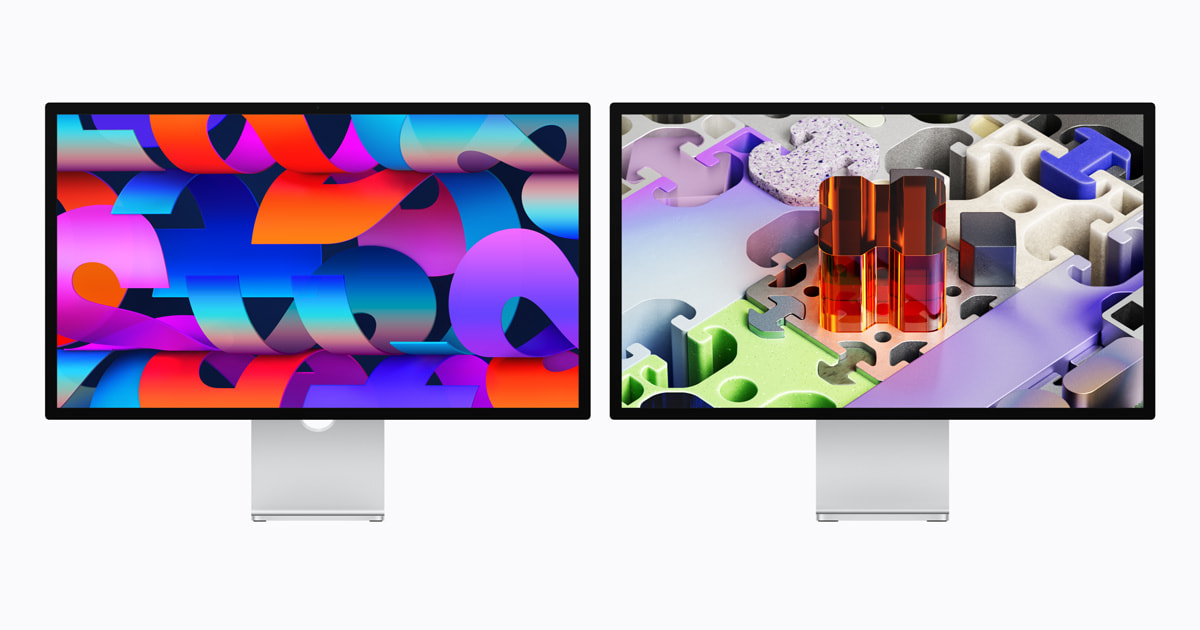
Apple unveiled two new 27-inch displays: the Studio Display (27-inch 5K Retina, 600 nits, 12MP Center Stage camera, Thunderbolt 5, starts at $1,599) and the Studio Display XDR (27-inch 5K Retina XDR with mini‑LED backlight, 2,304 local dimming zones, up to 2,000 nits peak HDR, 1,000,000:1 contrast, 120Hz, starts at $3,299). Pre-orders begin March 4 with deliveries and retail availability March 11; Studio Display XDR adds Adobe RGB, DICOM medical imaging presets with a Medical Imaging Calibrator pending FDA clearance, and higher charging capacity (up to 140W) for pro workflows. The premium pricing and pro-focused feature set could modestly lift Apple’s high-ASP hardware and accessory revenue and strengthen positioning in creative and medical professional markets, though it is unlikely to materially alter Apple’s overall revenue profile in the near term.
Market structure: Apple (AAPL) is the clear winner — higher ASPs ($1.6k entry, $3.3k XDR) and the replacement of Pro Display XDR at a lower entry price signal share capture from legacy pro-display vendors (niche hardware makers) and pressure on high-end monitor pricing. Upstream winners are mini‑LED/driver and TB5 ecosystem suppliers; downstream winners include AppleCare, Apple Card financing and accessory attach that can lift blended revenue per unit by mid-single digits. Expect marginally higher gross mix (premium display mix) and channel stocking into March, supporting near-term revenue flow.
Risk assessment: Tail risks include mini‑LED supply constraints or component cost inflation that could compress margins by >100–200 bps over a quarter; FDA delays for Medical Imaging reduce TAM expansion in healthcare for 6–12+ months. Time buckets: immediate (days) — positive PR and pre-order demand; short (1–3 months) — channel fill and supplier earnings; long (2–8 quarters) — impact on Mac upgrade cycles and services revenue. Hidden dependency: volume ramp depends on concurrent Mac M-series refreshes and TB5 host adoption; lacking those, incremental unit demand may be muted.
Trade implications: Direct play is AAPL equity and select panel/mini‑LED suppliers (AUO, LG Display) for component upside, while underweighting small pro-display hardware makers and potentially DELL for premium monitor share loss. Options: use defined‑risk bullish call spreads on AAPL to capture 6–12% upside into the next two quarters (buy 3‑6 month call spread sized to 1–3% portfolio). Pair trade: long AAPL / short DELL (equal dollar) to capture product-cycle divergence and margin mix benefits.
Contrarian angles: Consensus underestimates adoption friction — XDR’s value is concentrated among pros (film, 3D, radiology) and requires Mac M5 Max/16” hosts to unlock daisy‑chain claims, limiting TAM to low single‑digit % of Mac install base in 2026. Reaction may be overstated if supply lags or if Apple cannibalizes its own Pro Display pricing power; watch sell‑through metrics and supplier backlog data for 4–8 week re‑ratings. Historical parallel: Apple lowering price vs prior niche Pro Display (2019–2021) expanded adoption but shifted unit economics — expect similar mix/ASP tradeoffs this cycle.
AI-powered research, real-time alerts, and portfolio analytics for institutional investors.
Request TrialOverall Sentiment
moderately positive
Sentiment Score
0.45
Ticker Sentiment
