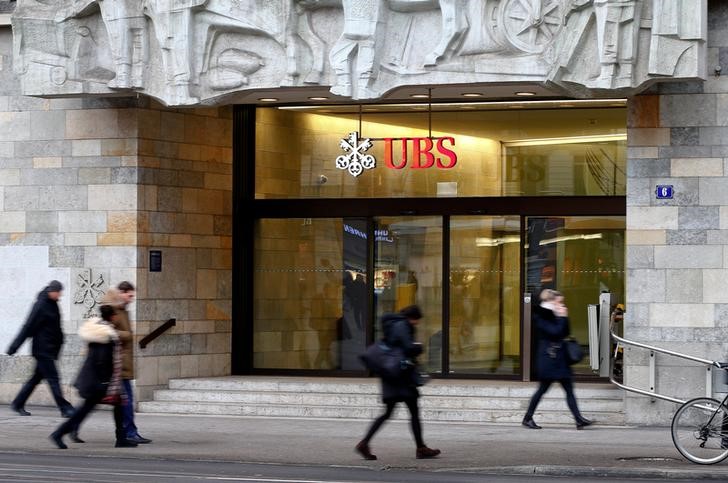
UBS expects the Fed to cut rates by another 50 basis points by year-end, citing cooling core inflation and softer labor data as support for further easing. March inflation was milder than expected, and the firm argues current market pricing is too hawkish as the Fed board becomes more dovish later this year. The outlook is modestly supportive for equities and high-quality bonds, but the article is primarily about Fed policy and rate-cut expectations rather than a single company.
The market implication is less about a single rate cut and more about a regime shift in discount rates: if the front end re-prices toward a terminal policy rate near 3%, duration-sensitive assets should continue to outperform, but the clearest second-order benefit is for businesses with refinancing needs over the next 12-24 months. That matters more for speculative growth than for mega-cap quality, because the marginal impact of 50 bps is larger when cash flows are pushed further out and capital access is tighter. In that sense, the setup is supportive for names like SMCI and APP, but only if the market keeps rewarding multiple expansion over near-term earnings scrutiny.
The contrarian risk is that the easing narrative is being pulled by slowing demand rather than “good” disinflation. If labor softness deepens, the initial winner set could flip: cyclicals and high-beta software may rally first, but the back end of the move would favor defensives, high free-cash-flow compounders, and high-quality bonds once growth scare probabilities rise. A dovish Fed leadership change also raises the odds of policy volatility around communication, which can compress equity multiples even if rates fall, because investors will price in a less predictable reaction function.
For UBS specifically, the trade is not the earnings line item; it is the balance-sheet and advisory sensitivity to lower volatility in rates and credit spreads. But the bigger tactical edge is in pairing long-duration winners against rate-sensitive losers rather than making a blanket risk-on bet. The article’s implied asymmetry is that the market is underpricing how quickly lower policy rates can re-lever valuations in AI-linked momentum names, while underestimating how fast a weaker labor market can turn that same bid into a late-cycle squeeze if growth data roll over.
AI-powered research, real-time alerts, and portfolio analytics for institutional investors.
Request DemoOverall Sentiment
mildly positive
Sentiment Score
0.20
Ticker Sentiment
