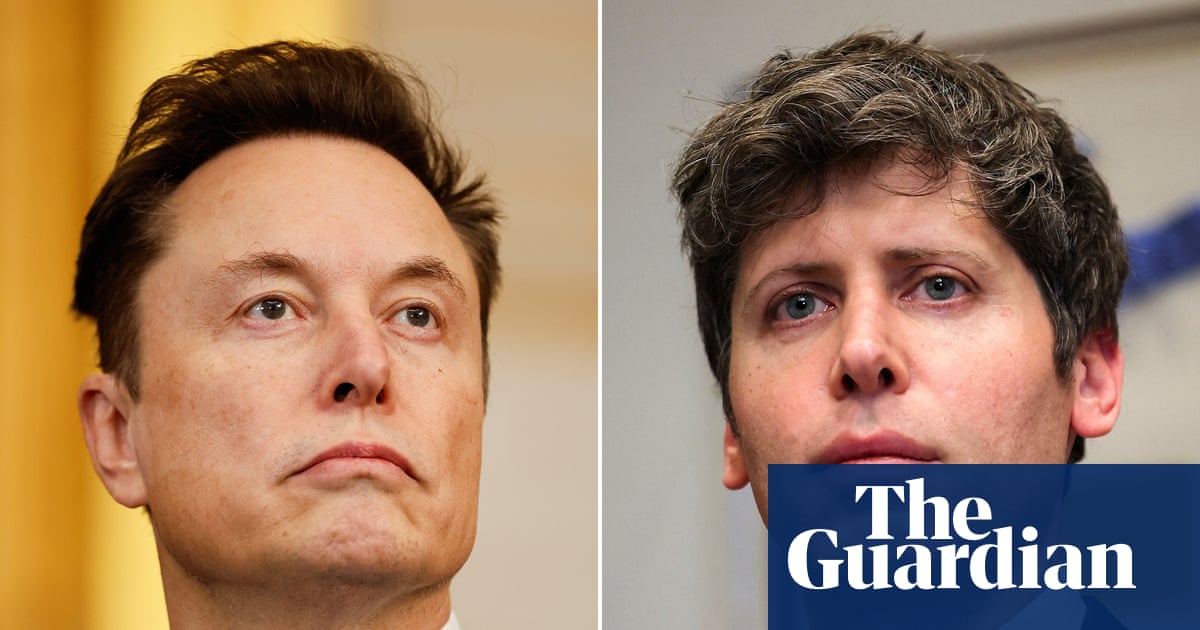
OpenAI was cleared in Elon Musk’s lawsuit after a federal jury in Oakland found Altman, OpenAI and Greg Brockman not liable, removing a legal overhang and supporting plans for a potential $1tn IPO later this year. SpaceX also disclosed plans for a $1.75tn Nasdaq IPO under symbol SPCX, seeking up to $80bn and revealing heavy investment in xAI, more than $20bn of capex last year, and a loss of over $4.2bn in Q1 2026. Separately, Google unveiled Gemini Spark, a 24/7 AI agent integrated with Search and core apps, reinforcing the competitive push around consumer AI assistants.
The market is beginning to price AI less as a software cycle and more as a capital-markets arms race. That favors the firms with the strongest distribution and balance sheets, because the next phase of competition is not model quality alone but who can subsidize the agent layer, bundle it into daily workflows, and absorb the CAC needed to make that sticky. In that framing, GOOGL is the clearest structural winner: it already owns identity, search intent, and the productivity suite that an “orchestrator” product needs, so even modest adoption can expand engagement while raising switching costs.
The more interesting second-order effect is on the toll collectors, not just the headline AI names. NVDA remains the near-term beneficiary because every new agent, search rewrite, and enterprise workflow layer implies more inference demand and more pressure to refresh compute faster than depreciation schedules suggest. But as large platforms race to ship consumer-facing assistants, the economics may shift from training-hardware scarcity to inference efficiency, which is where pricing power eventually migrates away from pure compute to whoever controls user distribution and default placement.
A quieter loser is AAPL. If the phone becomes a thinner interface and the assistant becomes the primary user relationship, Apple’s hardware gravity matters less and its services attach risk rises unless it reclaims the orchestration layer. AMZN faces a similar but weaker version of that problem: its assistant stack has device presence, but weaker cross-platform default status makes it vulnerable if the market converges on one or two general-purpose agents.
Near term, the biggest tail risk is that AI monetization disappoints relative to hype while capex keeps rising, which would compress multiples for META, GOOGL, and NVDA simultaneously over the next 2-4 quarters. The contrarian view is that the current debate over whether AI ‘ruins the internet’ misses the investment point: users may dislike the product direction, but adoption can still be high if it saves time, and convenience usually wins before regulation or consumer pushback becomes binding.
AI-powered research, real-time alerts, and portfolio analytics for institutional investors.
Request DemoOverall Sentiment
neutral
Sentiment Score
0.12
Ticker Sentiment
