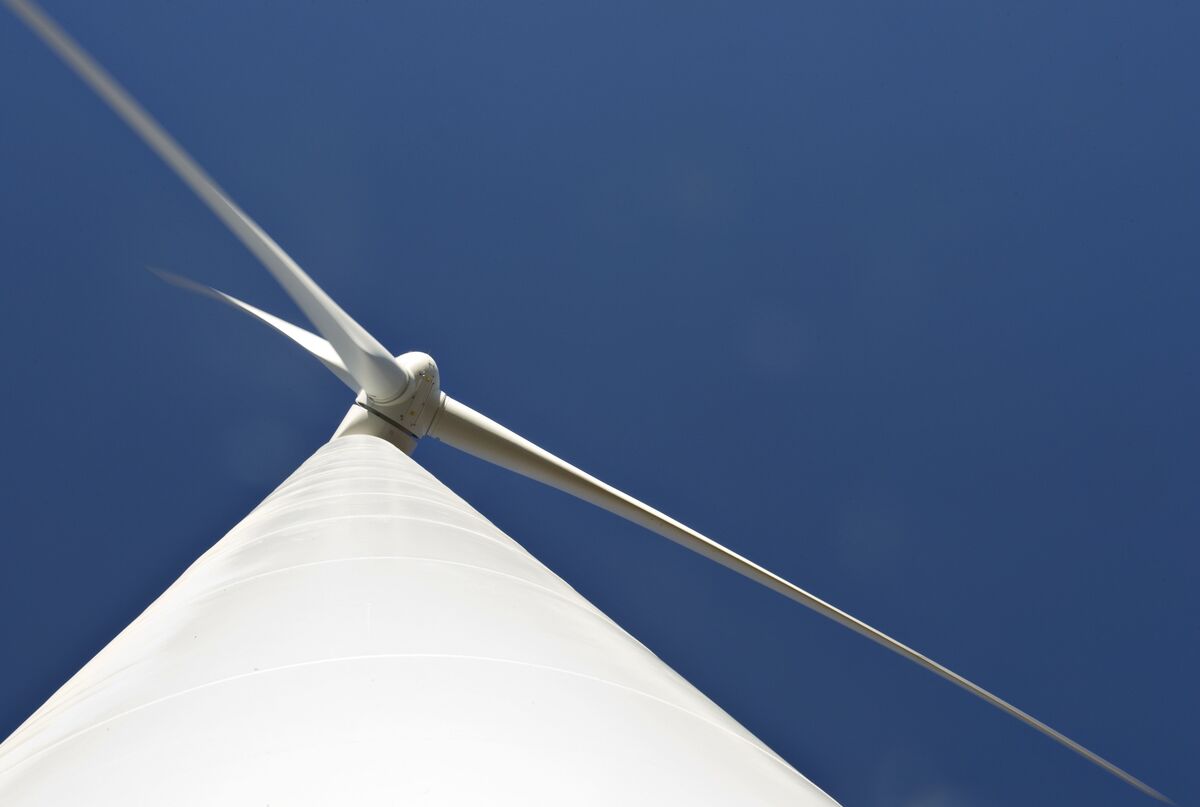
India is said to be on track to meet its 2030 target of 100 gigawatts of wind capacity, with wind power demand from state utilities estimated at 107 gigawatts over the next five years. Suzlon Energy said any shortfall in government purchases could be offset by industrial demand, supporting the outlook for the sector. The update is constructive for India’s wind market and Suzlon, but it is primarily commentary rather than a material new policy or financial announcement.
The key takeaway is not just higher wind installations, but a potential shift in India’s power procurement mix from discretionary renewable buying to structural baseload and firming demand. That matters because wind becomes more valuable when paired with storage and hybrid contracts, which should lift order durability for suppliers with execution capacity rather than just low bids. The second-order winner is likely the broader domestic equipment and EPC ecosystem: as utility offtake tightens, pricing power should migrate toward manufacturers with balance-sheet strength, land-bank access, and working capital discipline, while weaker players get squeezed by project delays and inventory financing.
A meaningful nuance is that state utility demand is only one leg of the thesis; industrial open-access buyers create a demand backstop that lowers the probability of a hard stop in ordering even if government procurement pauses. That reduces cyclicality and improves visibility for the supply chain over the next 12–24 months, which should support valuation re-rating for quality names. However, this also means the market may overestimate near-term margin expansion if it assumes every incremental gigawatt translates into similar economics—grid congestion, transmission delays, and curtailment can keep realized returns below headline demand growth.
The main risk is timing. The sector can remain sentiment-positive for months before cash flows confirm it, and policy-driven enthusiasm is vulnerable to auction delays, PPA renegotiation, or weaker state utility finances. If financing costs stay elevated, the winners will be firms with cheaper working capital and a better ability to pre-build inventory; everyone else may be forced to bid aggressively and sacrifice margin to maintain share.
Contrarian view: the consensus may be underpricing how much of this growth is already in the stock prices of domestic renewables proxies, while underpricing the upstream industrial beneficiaries of lower long-run power price volatility. The more attractive trade may be less about owning pure-play wind exposure and more about owning firms that can monetize reliable green power demand across the full value chain.
AI-powered research, real-time alerts, and portfolio analytics for institutional investors.
Request TrialOverall Sentiment
mildly positive
Sentiment Score
0.35
