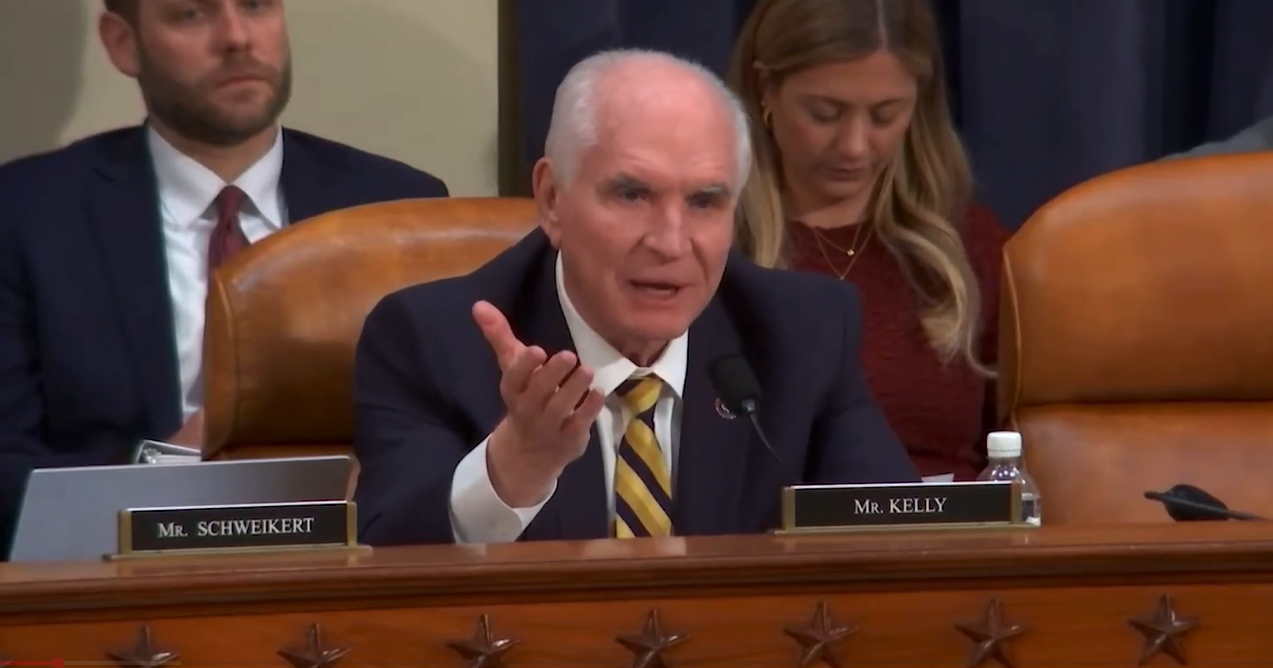
Rep. Mike Kelly said Medicare fraud, errors, and abuse are costing taxpayers more than $60 billion per year, with the Medicare Trust Fund projected to run out in 2033. He called for greater oversight and questioned why Medicare Advantage plans use fraud-prevention methods that traditional Medicare does not. The piece is primarily a policy critique with limited direct market impact.
This is less a healthcare headline than a political setup for payment-system tightening. The investable signal is that audit intensity, prior authorization scrutiny, and recovery rates are likely to rise at the margins, which pressures the high-variance parts of managed care economics first: risk-score intensity, supplemental benefit generosity, and certain provider billing patterns. The market usually underestimates how a few percentage points of payment normalization can matter when margins are already tight; for large MA plans, a 50-100 bps hit to medical cost ratio can swamp several quarters of premium growth.
The second-order winners are not obvious. Vendors that help payers detect duplicate billing, coding anomalies, and utilization outliers should see a longer sales cycle tailwind as public programs copy private-sector fraud tools. Conversely, hospital systems and physician groups with heavy Medicare exposure face a slower reimbursement environment and more claim friction, which can show up first in days sales outstanding and later in bad-debt provisions rather than headline volume.
The bigger risk is political overreach into the MA/FFS spread. If oversight becomes a campaign issue, expect a 6-18 month debate that could compress valuation multiples for insurers even before any actual earnings impact, because the market will price in lower allowable margins and more aggressive recoupments. The contrarian view is that this may ultimately be more about optics than budget savings: fraud leakage is politically useful, but structural deficits are not solved quickly, so the trade should be on the speed of enforcement, not on a durable fiscal fix.
AI-powered research, real-time alerts, and portfolio analytics for institutional investors.
Overall Sentiment
mildly negative
Sentiment Score
-0.10
