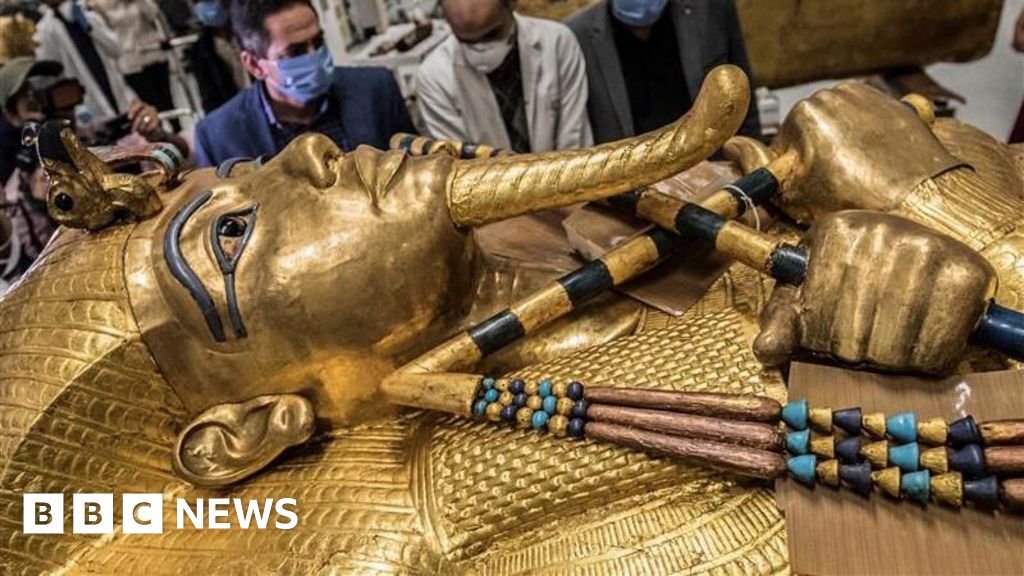
Egypt has officially opened the $1.2 billion Grand Egyptian Museum (GEM), the world's largest archaeological museum, near the Giza Pyramids. This monumental project, which experienced significant delays due to financial crises, political upheaval, and the COVID-19 pandemic, is projected to attract up to 8 million visitors annually, providing a substantial boost to the nation's tourism sector. The GEM, showcasing over 100,000 artifacts including the complete collection from Tutankhamun's tomb, is expected to usher in a new era for Egyptian cultural tourism and Egyptology.
The Grand Egyptian Museum (GEM), a $1.2 billion project, has officially opened near the Giza Pyramids, positioning itself as the world's largest archaeological museum. Housing over 100,000 artifacts, including the complete collection from Tutankhamun's tomb displayed for the first time, the GEM is a significant cultural landmark. This monumental infrastructure investment underscores Egypt's commitment to enhancing its global tourism appeal.
The museum is projected to attract up to 8 million visitors annually, providing a substantial boost to Egypt's tourism sector, which has faced headwinds from regional crises, political upheaval, and the COVID-19 pandemic. The project's completion, despite significant delays since its 2005 construction start, signals a renewed focus on leveraging cultural assets for economic growth within an emerging market context.
Beyond direct tourism revenue, the GEM is expected to foster a "new golden age of Egyptology," potentially driving academic research and showcasing Egyptian conservation expertise. The initiative also strengthens Egypt's cultural diplomacy, particularly regarding calls for the repatriation of key antiquities, which could further elevate its international standing and cultural draw.
AI-powered research, real-time alerts, and portfolio analytics for institutional investors.
Overall Sentiment
strongly positive
Sentiment Score
0.75
Ticker Sentiment
