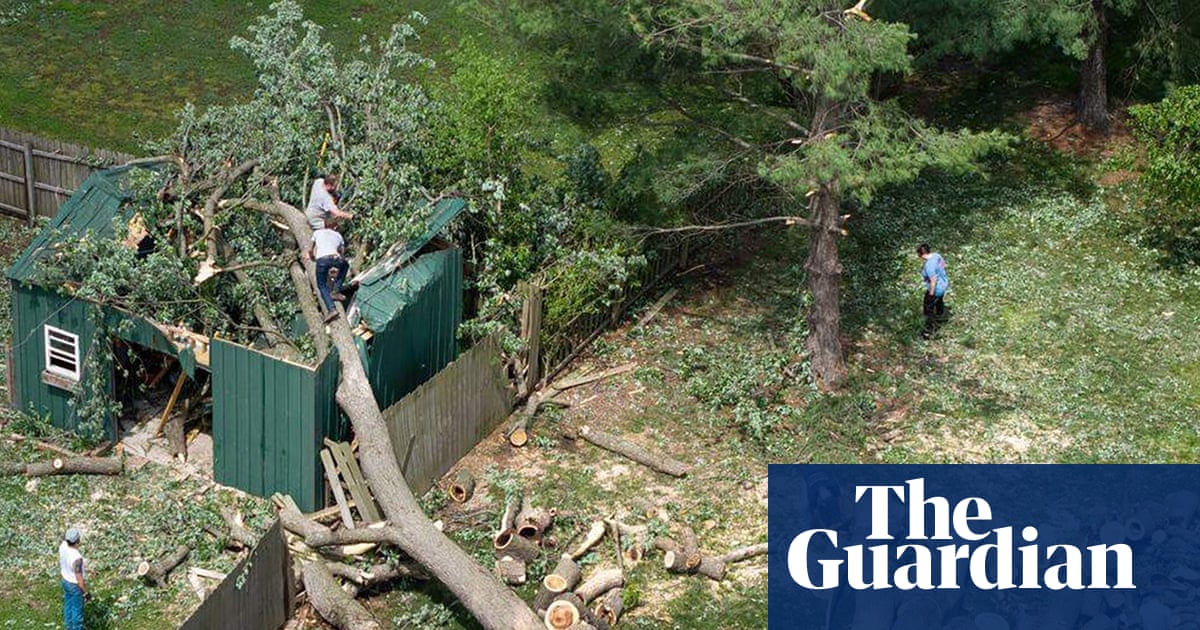
Severe weather and tornado activity are affecting a stretch of the central US, with roughly 26 million people under tornado watches from Wisconsin to Oklahoma. The system is capable of baseball-sized hail and winds up to 107 mph, while prior storms already caused flash flooding in Milwaukee, a lightning-related death in Waukesha, and damage to homes and infrastructure across the region. Wisconsin has declared a state of emergency, signaling continued disruption and elevated near-term risk for local operations and transportation.
The immediate market impact is less about the storm headline and more about the sequencing: a multi-day weather event creates a short-duration demand shock to regional logistics, retail traffic, and field operations, while setting up a longer tail of insurance claims, emergency procurement, and repair spend. The first-order losers are exposed transport, local construction schedules, and any distribution network that relies on Midwest road density; the second-order winners are the firms that monetize replacement activity faster than the disruption fades, especially suppliers of roofing materials, generators, dehumidification, and emergency restoration services.
The key dynamic is that severe weather often pulls forward maintenance and capex rather than destroying it. That means the economic drag in the next 1-3 weeks can be partially offset by a higher-than-normal burst in claims processing, equipment rentals, and contractor utilization over the following 1-3 months. The more interesting trade is not “disaster equals recessionary,” but whether carriers and home-exposed names absorb enough loss-cost inflation to pressure margins before pricing catches up.
The contrarian risk is that the market may underprice the persistence of loss severity if this pattern repeats into peak storm season. If tornado/hail frequency stays elevated, insurers with Midwest concentration can see both higher CAT loads and secondary effects from roof-water-mold claims that extend far beyond the initial event window. Conversely, if the weather normalizes quickly, the trade here is mostly a one-week volatility spike and not a durable thesis, so timing matters more than directional conviction.
AI-powered research, real-time alerts, and portfolio analytics for institutional investors.
Request TrialOverall Sentiment
moderately negative
Sentiment Score
-0.35
From a portfolio standpoint, this is a relative-value event, not a macro short. The best expression is to fade names with high property-cat exposure where reserve adequacy is already tight, while leaning into beneficiaries of repair/rebuild and emergency response spend. The risk/reward improves materially if there is follow-on damage coverage data over the next several days, because the market tends to re-rate after the first claims estimates rather than on the storm itself.
