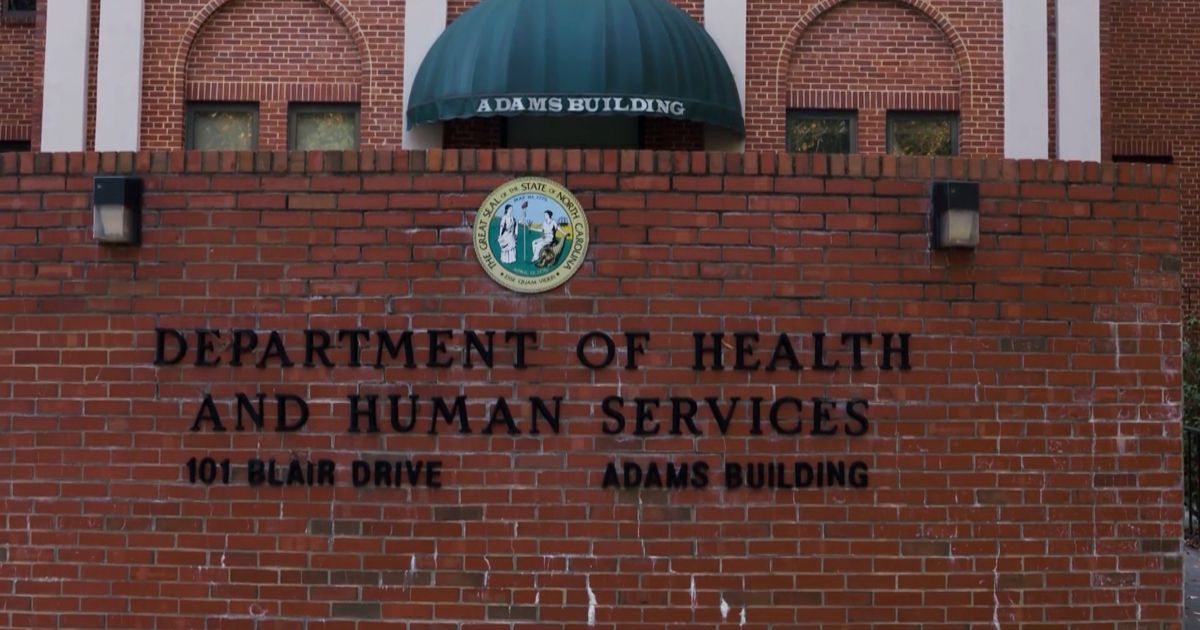
North Carolina health officials said Legionnaires' disease cases rose by more than 100 between 2024 and 2025, prompting a public warning. The article outlines symptoms, transmission routes, and prevention steps for households and water systems, but does not indicate a direct market or company-specific impact. The news is primarily public-health oriented and could modestly affect healthcare-related sentiment rather than broad markets.
The immediate market read-through is not a broad “health scare” trade, but a localized municipal and facilities-management capex story. A spike in Legionella alerts typically increases inspection frequency, chemical treatment spend, and replacement of aging water-handling systems across hospitals, senior housing, hotels, HVAC-heavy buildings, and industrial campuses; that is quietly constructive for water-treatment, filtration, and environmental services vendors even if the headline is negative. The second-order effect is on operators with poor maintenance discipline: any portfolio of older assets with stagnant water risk faces higher OPEX, more compliance checks, and reputational downside if a cluster emerges.
The more interesting near-term catalyst is legal/regulatory escalation rather than the disease itself. State agencies usually respond by tightening monitoring guidance first, then mandating remediation in high-risk facilities; that creates a 1-3 month procurement cycle where testing kits, disinfectants, replacement filters, and service contracts see demand acceleration. Health systems and senior living REITs with older plumbing, weak ESG disclosure, or prior water-quality incidents are most exposed to incremental costs and potential occupancy pressure if consumers become more sensitive to building safety.
Consensus will likely underprice the persistence of the issue because the outbreak pattern is operational, not seasonal, and remediation is non-discretionary. The contrarian take is that this is less a “pandemic” event and more a slow-burn compliance tax on asset owners; if public reporting stays elevated into summer, insurers may also start revisiting property-liability assumptions for hospitality and medical-office portfolios. The tradeable signal is therefore in maintenance intensity and water-system exposure, not in broad healthcare beta.
AI-powered research, real-time alerts, and portfolio analytics for institutional investors.
Request DemoOverall Sentiment
mildly negative
Sentiment Score
-0.15
