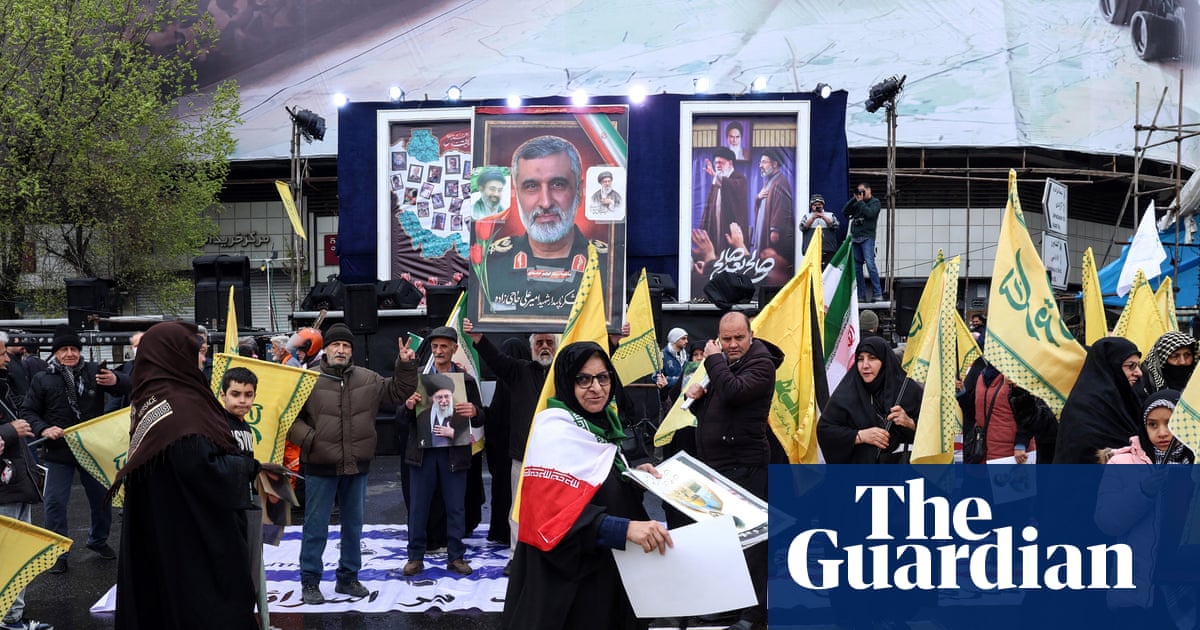
Hundreds of civilians have been killed in a fortnight of US and Israeli airstrikes on Iran, including strikes on oil depots (notably the Shahran depot) and historic cultural sites, shifting domestic protester sentiment away from support for foreign intervention. The attacks on civil infrastructure and fuel facilities create significant humanitarian, political and reconstruction risk for a country of >90 million people and raise the probability of broader regional escalation. For portfolios, this is a near-term risk-off event likely to increase oil-price volatility and safe-haven demand, pressure emerging-market sentiment, and warrant defensive positioning until military objectives and spillover risks are clarified.
This shock shifts political-risk externalities from a narrowly targeted regime-change play to a broad sovereign-and-infrastructure risk premium. Once civilian infrastructure becomes the marginal instrument of coercion, reconstruction costs, insurance premia and counterparty counterparty-risk provisions rise non-linearly — add a multi-quarter drag to regional capex, delays to energy projects, and higher haircuts on cross-border lending.
Market mechanics: energy and shipping respond fastest (days–weeks) via spot/backwardation moves and freight/war-risk insurance; defense and security-sponsored procurement follow on a 3–12 month cadence as budgets are reallocated and contingency stocks are ordered. EM asset outflows and FX pressure typically manifest in the 1–3 month window as global funds de-risk, while the political legitimacy shock to domestic protesters increases the probability of protracted low-intensity conflict that sustains risk premia for years.
The asymmetric tail: the most damaging scenario is escalation to broader Gulf interdiction or prolonged asymmetric attacks on maritime routes — that would amplify oil-market tightness and force organized Western intervention or negotiated de-escalation, each with different asset implications. The clearing catalyst to reverse the premium is a credible, rapid reconstruction and targeted sanctions carve-out that restores trade corridors; absent that, expect structurally higher risk premia across regional sovereigns and energy logistics.
AI-powered research, real-time alerts, and portfolio analytics for institutional investors.
Request DemoOverall Sentiment
strongly negative
Sentiment Score
-0.85
