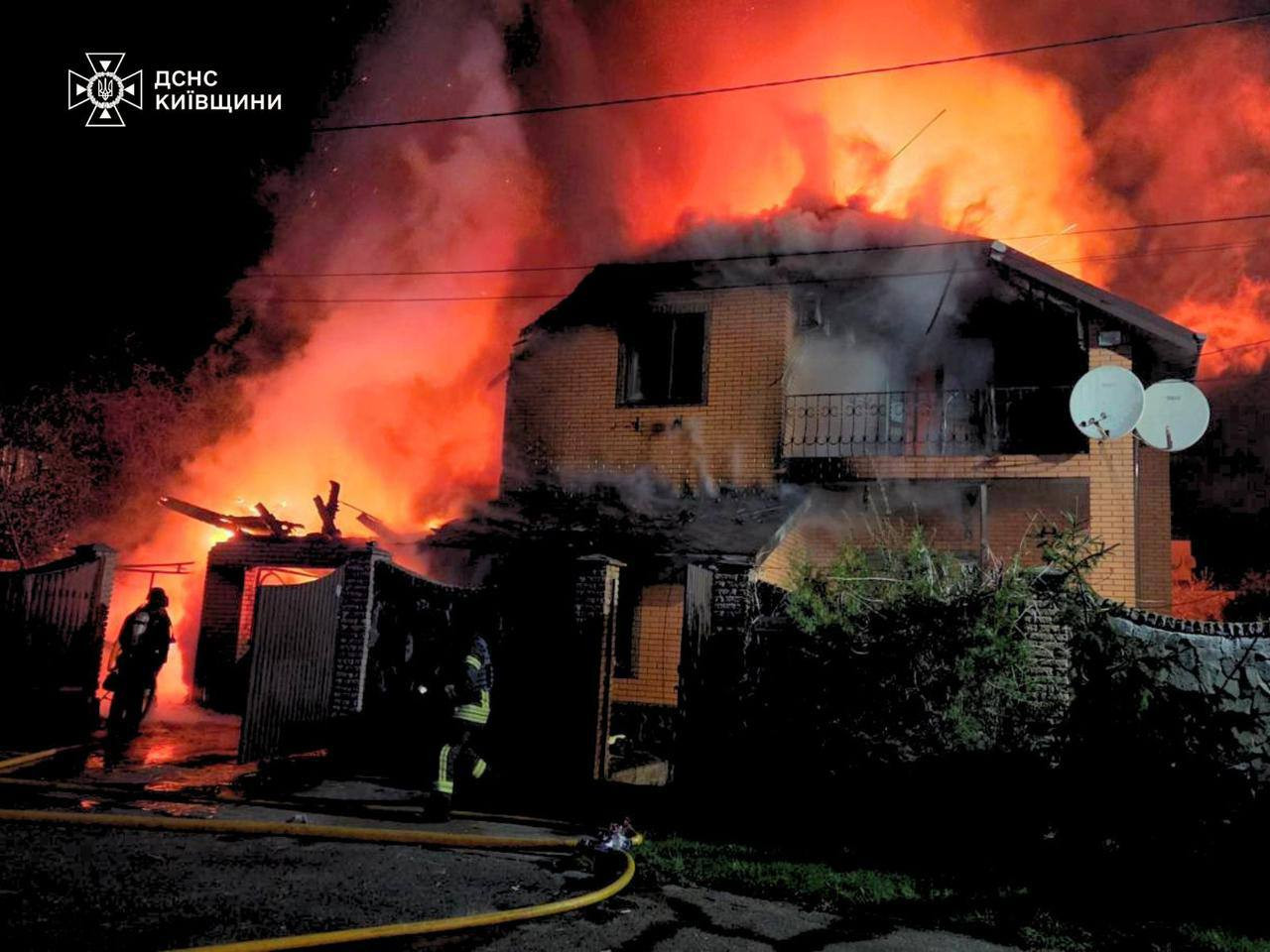
Russia launched 142 drones overnight across Ukraine, with 113 shot down or suppressed but 28 direct strikes reported across 18 locations and debris falling at six more sites. Civilian and infrastructure damage was reported in Mykolaiv, Kyiv region, Kryvyi Rih, Kharkiv and Dnipropetrovsk, including six injured in Dnipropetrovsk and one hospitalized man in the Kyiv region. The attack underscores ongoing wartime escalation and continued risks to regional security and infrastructure.
This is less about the headline damage and more about the persistence of low-cost, high-frequency coercion. A sustained drone campaign forces Ukraine to keep air-defense assets on constant alert, which increases interceptor burn rates, maintenance load, and civilian infrastructure attrition even when physical damage per raid is modest. The second-order market effect is not a single shock but a slow deterioration in transport reliability, local utility uptime, and reconstruction productivity, especially in eastern and southern industrial corridors.
The key tactical risk is escalation in tempo rather than weapon sophistication. If Russia can maintain these raid sizes for weeks, the binding constraint shifts from Ukraine’s ability to absorb damage to its ability to allocate scarce defense resources between front-line protection and rear-area infrastructure. That raises tail risk for power distribution, rail throughput, and industrial working-capital cycles over the next 1-3 months, with the most exposed assets being businesses reliant on uninterrupted electricity, warehousing, or domestic consumer traffic.
The contrarian read is that markets may be over-discounting the headline geopolitical negativity while underpricing the operational adaptation curve. Ukraine has become progressively better at dispersing, restoring, and hardening critical nodes; that means the marginal impact of each additional raid may be decaying even as the headlines stay grim. In other words, the near-term direction is risk-off, but the tradeable edge is in distinguishing between transient fear premium and genuinely impaired cash flows, which likely shows up first in local housing, utilities, logistics, and domestic retail rather than broad sovereign beta.
The broader European read is that repeated attacks on infrastructure increase political pressure for air-defense replenishment and energy-system resilience spending. That can support beneficiaries in defense electronics, missile interceptors, grid equipment, and civil protection supply chains, while keeping a lid on sentiment toward anything tied to Ukrainian discretionary demand or domestic property recovery. The trade window is days to weeks for sentiment-driven volatility, but the fundamental allocation effects play out over quarters as reconstruction budgets and defense procurement mix shift.
AI-powered research, real-time alerts, and portfolio analytics for institutional investors.
Request DemoOverall Sentiment
strongly negative
Sentiment Score
-0.70
Ticker Sentiment
