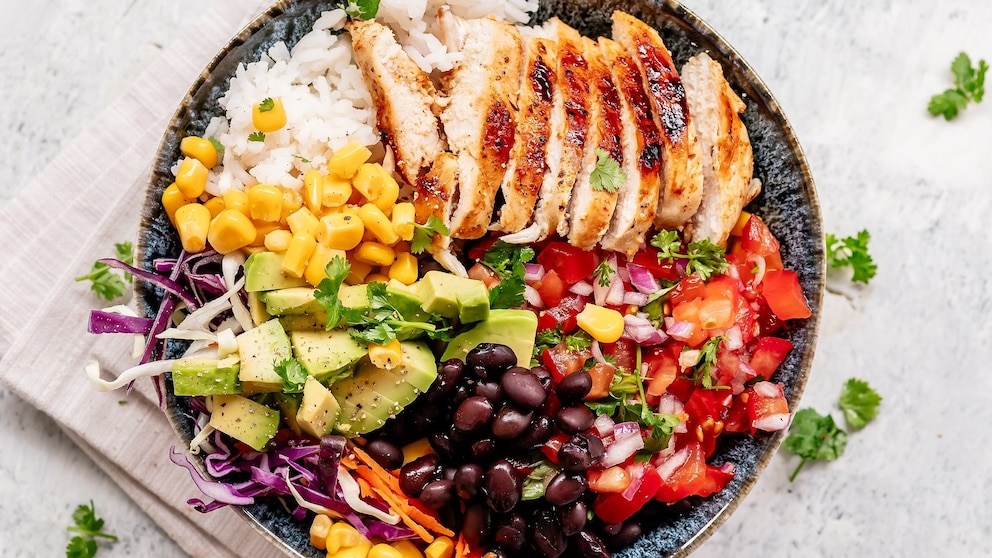
Key: U.S. federal dietary guidance raised protein targets from 0.8 g/kg to 1.2–1.6 g/kg, with USDA recommending ~80–110 g/day for men and 70–90 g/day for women — roughly double prior amounts. Drivers include rapid weight loss tied to GLP-1 drugs, social-media trends, and consumer product rollouts (Starbucks protein lattes, Chipotle high-protein snack cups, Kraft pea-protein mac). Analyst note: whole-food protein sources are preferred; packaged/protein-fortified ultra-processed products can add sugars/additives and pose risks for people with kidney disease, but there is no defined upper protein ceiling per the article.
Protein positioning is functioning like a margin-split lever for foodservice and packaged-food operators: protein-forward SKUs command price goodwill (think $0.50–$1.00 incremental ticket) and longer shelf justification for premium pricing, so chains that can scale formulations quickly will harvest disproportionate AUV gains within 1–2 quarters of national rollout. That favors vertically integrated players with in-house R&D and supply contracts (procurement insulation against pea/whey spot volatility) and penalizes low-margin, high-SKU retailers who face inventory and promotional drag when converting cores to “protein” versions.
A second-order supply-chain effect is tightening capacity in specialty protein concentrates. Ingredient specialists (dry-blend co-packers, pea/whey processors) can add 10–20% margin to existing volumes as adoption moves from niche to mainstream; but capacity buildouts take 12–24 months and will create short-term cost spikes that eat into COGS for fast followers. Concurrently, GLP-1 driven changes to consumption frequency (fewer total snacks, higher protein-per-snack) shift the P&L from unit volume to mix-driven margin — winners are those monetizing higher margin-per-serving rather than absolute share.
Key risks: fad fatigue and regulatory scrutiny of “protein-enriched” claims could compress multiples quickly, and ingredient deflation or rapid competition will compress premium pricing within 6–12 months. Watch three catalysts closely: monthly comp prints for foodservice (SBUX cadence), retail scanner data for protein SKU velocity, and ingredient booking announcements—each can flip the narrative within a single quarter and should be used as entry/exit signals.
AI-powered research, real-time alerts, and portfolio analytics for institutional investors.
Request DemoOverall Sentiment
neutral
Sentiment Score
0.00
Ticker Sentiment
