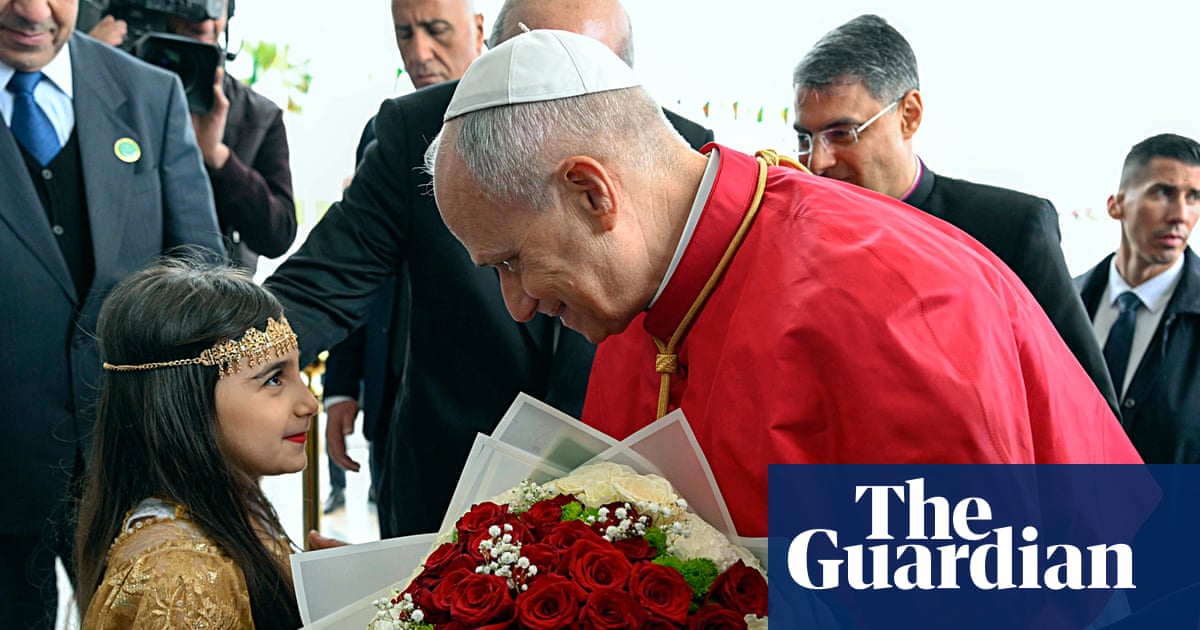
Pope Leo XIV began an 11-day Africa tour in Algeria, his longest papal trip so far, highlighting the Catholic Church’s strategic focus on a continent that now accounts for about 20% of Catholics worldwide. The visit emphasizes peace, interfaith coexistence, and religious freedom, with stops also planned in Cameroon, Angola and Equatorial Guinea. While geopolitically symbolic, the article has limited direct market impact.
The market implication is not the visit itself, but the signal that institutional attention is shifting toward Africa’s demographic and diplomatic center of gravity. That matters for sovereigns and multilaterals more than for local consumption: when the Vatican elevates Africa, it reinforces narratives around debt relief, aid continuity, and NGO access, which can marginally improve funding conditions for frontier issuers over a 6-18 month horizon. The second-order benefit is reputational: governments with deteriorating social cohesion can use the visit to project stability, lowering near-term protest and policy-risk premia. The most investable read-through is for assets exposed to African political risk rather than direct religion-linked cash flows. Catholic-affiliated NGOs and health/education operators may see easier fundraising and operating access, but the bigger opportunity is in sovereign debt and select EM equities where social legitimacy is a binding constraint. Algeria is the clearest case: any improvement in interfaith tolerance is modestly supportive for foreign participation, but the country remains capped by hydrocarbon dependence and closed capital flows, so the upside is mainly in sentiment, not fundamentals. Contrarian angle: consensus may overstate the breadth of the positive signal. High-profile symbolic diplomacy rarely translates into measurable macro improvement unless followed by policy concessions on debt, religious freedom, or civil society access. The more durable risk is that a spotlight on freedom of religion and marginalization highlights governance deficits in several African jurisdictions, which could increase scrutiny from donors and rating agencies over the next 1-2 quarters if local authorities respond defensively.
AI-powered research, real-time alerts, and portfolio analytics for institutional investors.
Request DemoOverall Sentiment
mildly positive
Sentiment Score
0.15
