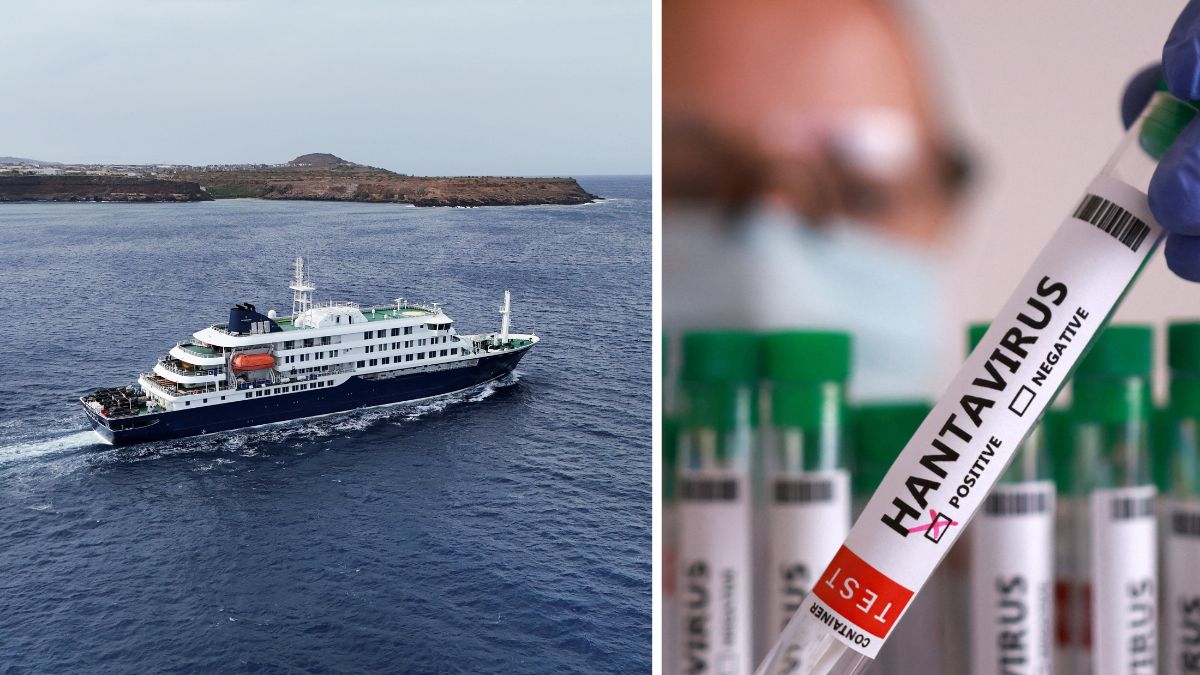
Three people have died in the Andes hantavirus outbreak linked to the MV Hondius cruise, with 11 confirmed cases reported globally and 16 people under close monitoring. Several countries have initiated contact tracing, quarantine, and monitoring measures, and Canada has confirmed its first linked case. The article is primarily a public health update, with limited direct market impact beyond heightened scrutiny of cruise and quarantine readiness.
The key market implication is not the pathogen itself; it’s the renewed pricing of biosecurity logistics as a stand-alone service line. After COVID, institutions, cruise operators, insurers, and governments have converged on a lower tolerance for ambiguity, so even a low-probability, low-case-count event can trigger outsized spend on quarantine capacity, medical transport, diagnostic testing, and maritime tracking. That creates a slow-burn tailwind for a small set of healthcare infrastructure, testing, and monitoring beneficiaries while pressuring travel names to internalize higher operating costs.
The second-order loser is the cruise and expedition segment, not because of immediate revenue leakage alone, but because the episode raises the expected cost of operating in remote itineraries where evacuation is expensive and reputational damage is sticky. Expect tighter disclosure language, higher insurance premiums, and more conservative route selection over the next 1-3 quarters. The risk is that operators respond by de-risking utilization: fewer long-haul remote voyages, more buffer capacity, and higher cancellation flexibility, all of which compress margins before any headline demand decline is visible.
The contrarian view is that the move in travel-related risk assets may be overdone if investors extrapolate this into a broad demand shock. The actual transmission profile suggests this is a niche operational issue rather than a mass-market pandemic, so the larger opportunity is in companies selling readiness rather than fear. If no secondary clusters appear over the next 2-6 weeks, the equity impact should fade quickly, but procurement and compliance spending is likely to persist for 12+ months because boards now pay for optionality, not just incident response.
AI-powered research, real-time alerts, and portfolio analytics for institutional investors.
Request DemoOverall Sentiment
moderately negative
Sentiment Score
-0.35
