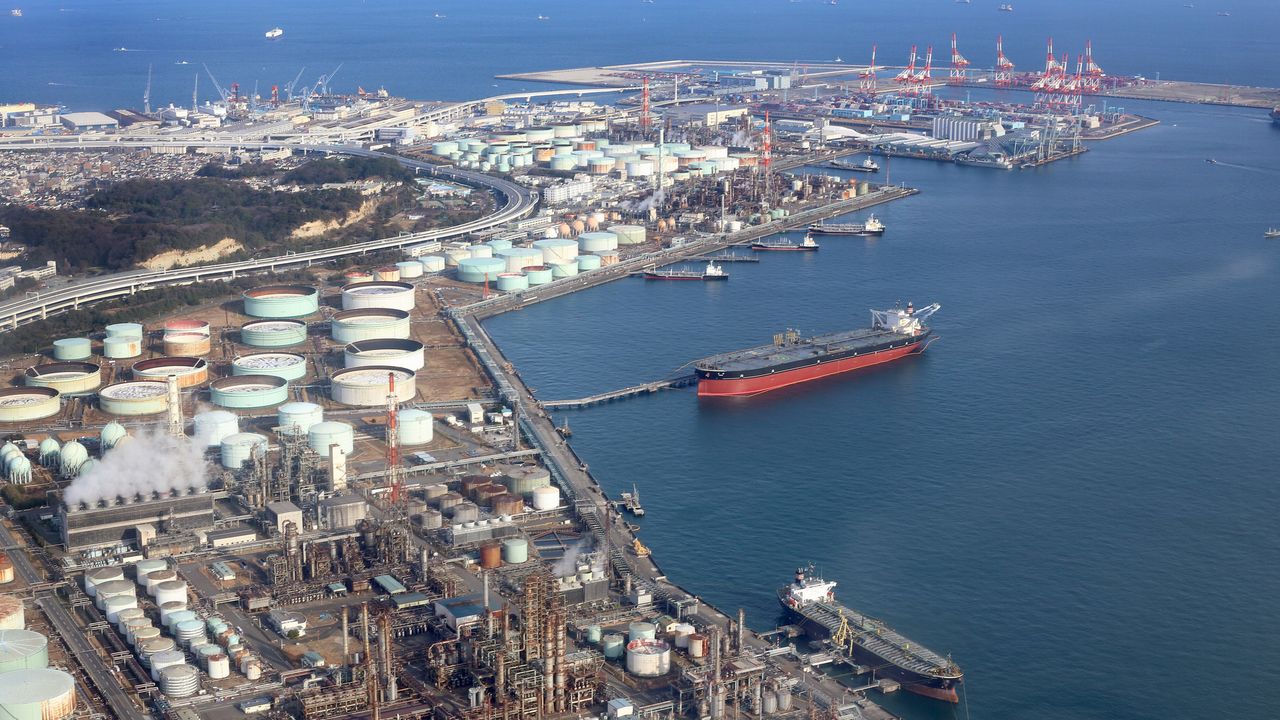
Japan faces acute energy-security risk after Iran effectively closed the Strait of Hormuz following US and Israeli air strikes, threatening the passage of crude that supplies more than 95% of Japan’s oil imports. In fiscal 2024 oil provided 34.8% of Japan’s primary energy (coal 24.4%, LNG and other gas 20.8%), with the UAE and Saudi Arabia each supplying roughly 40% of Japan’s oil imports; Japan held 254 days of oil reserves as of Dec. 31, 2025. The closure has pushed international oil and gas prices higher and is expected to raise electricity and fuel costs in Japan, creating near-term inflationary and supply-chain pressures for markets and policymakers.
Market structure: Immediate winners are global oil producers (integrated majors and Gulf exporters) and LNG exporters; Japan’s heavy Middle East import dependence (>95% from region; UAE+KSA ~80% of its crude) hands pricing power back to suppliers while shipping/tanker rates rise. With Japan holding 254 days of oil reserves, demand destruction is limited short-term but substitution (coal, LNG) and higher electricity costs are inevitable; expect crude price volatility and backwardation in near months as risk premium rises.
Risk assessment: Tail risks include a prolonged (>90 days) effective Strait of Hormuz closure, retaliatory strikes expanding to Gulf shipping, or secondary sanctions disrupting rerouting — each could push Brent materially higher and force strategic reserve draws. Time horizons split: days — shipping insurance/tanker dislocations and spikes; weeks/months — commodity price pass-through to Japanese inflation and corporate margins; quarters/years — energy policy shifts back toward domestic/renewables and supply-chain reconfiguration.
Trade implications: Cross-asset effects: commodities up, high-grade sovereigns may rally as safe haven while inflation breakevens rise; JPY likely to weaken on trade shock but could intermittently strengthen on global risk-off. Tactical plays should favor oil/LNG producers, shipping insurers/owners, gold/miners as inflation hedge, and FX positions expressing JPY pressure while hedging with Treasuries.
Contrarian: Consensus assumes persistent high prices; missing is Japan’s large 254-day reserve cushion that caps near-term physical shortages — a mean-reversion scenario could punish pure oil long-only positions. Historical parallels (Gulf flare-ups 1990/2008) show spikes fade within 3–6 months absent supply destruction; staged, option-structured exposure wins versus naked futures.
AI-powered research, real-time alerts, and portfolio analytics for institutional investors.
Request TrialOverall Sentiment
strongly negative
Sentiment Score
-0.65
