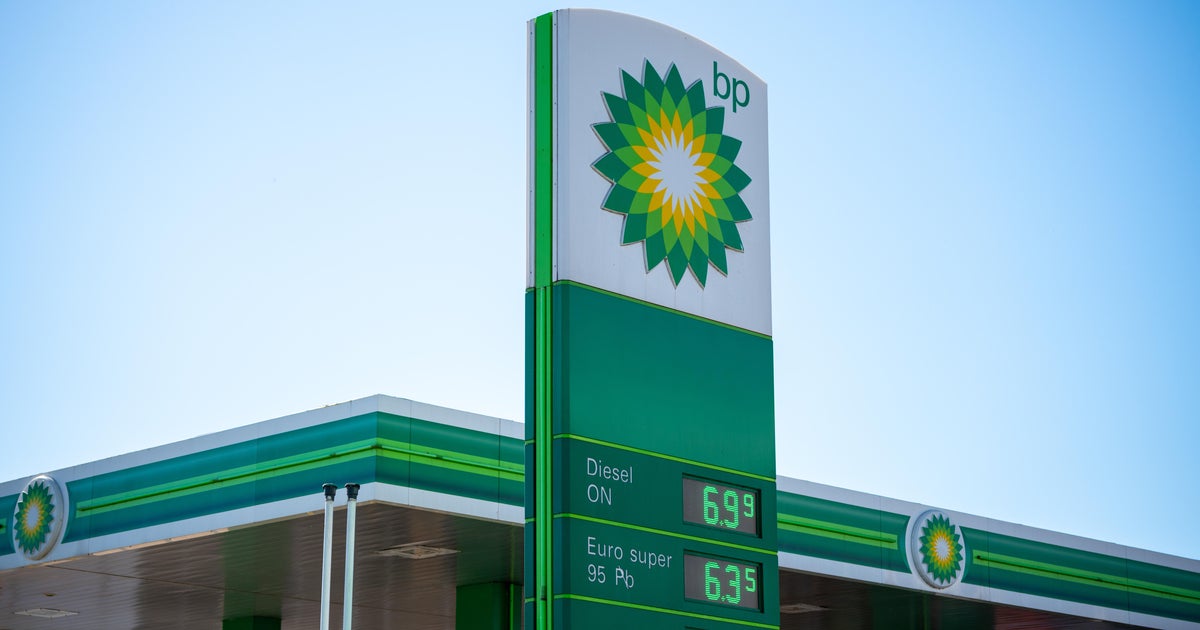
BP removed Chair Albert Manifold immediately over what it called serious governance and conduct concerns, a sharp leadership disruption less than a year after his appointment. The company also reported 2025 earnings down 16% year over year to $7.49 billion as Brent crude prices fell nearly 17%. BP shares slid 5% on the NYSE following the announcement.
This is less about one chair and more about the board proving it can self-police after investors already questioned strategic coherence. In the near term, governance risk becomes an execution tax: management time shifts to process repair, the next chair search can drag for months, and any capital allocation pivot is likely to be delayed until the board is reconstituted. That matters because the equity was already pricing BP as a turnaround story; when governance credibility cracks, the market typically compresses the multiple before it revisits earnings.
The second-order impact is on relative trust across European energy governance, especially for boards trying to reposition portfolios while maintaining capital returns. The direct damage to CRH is limited, but the association is enough to keep a modest overhang on any “board premium” embedded in management quality narratives there. More importantly, this gives competitors with cleaner governance optics a small advantage in attracting long-only capital that wants energy exposure without headline risk.
The bear case is not just that sentiment worsens; it is that BP loses strategic flexibility at exactly the wrong time. If crude stays soft for another 1-2 quarters, the company has less room to absorb governance-driven discounting because the underlying earnings cycle is already deteriorating. A faster oil rebound would help, but it would only partially offset the reputational damage unless the replacement process is seen as independent and decisive. Consensus may be underestimating how often a governance event resets valuation for 6-12 months even when the direct financial effect is nil.
AI-powered research, real-time alerts, and portfolio analytics for institutional investors.
Overall Sentiment
strongly negative
Sentiment Score
-0.55
Ticker Sentiment
