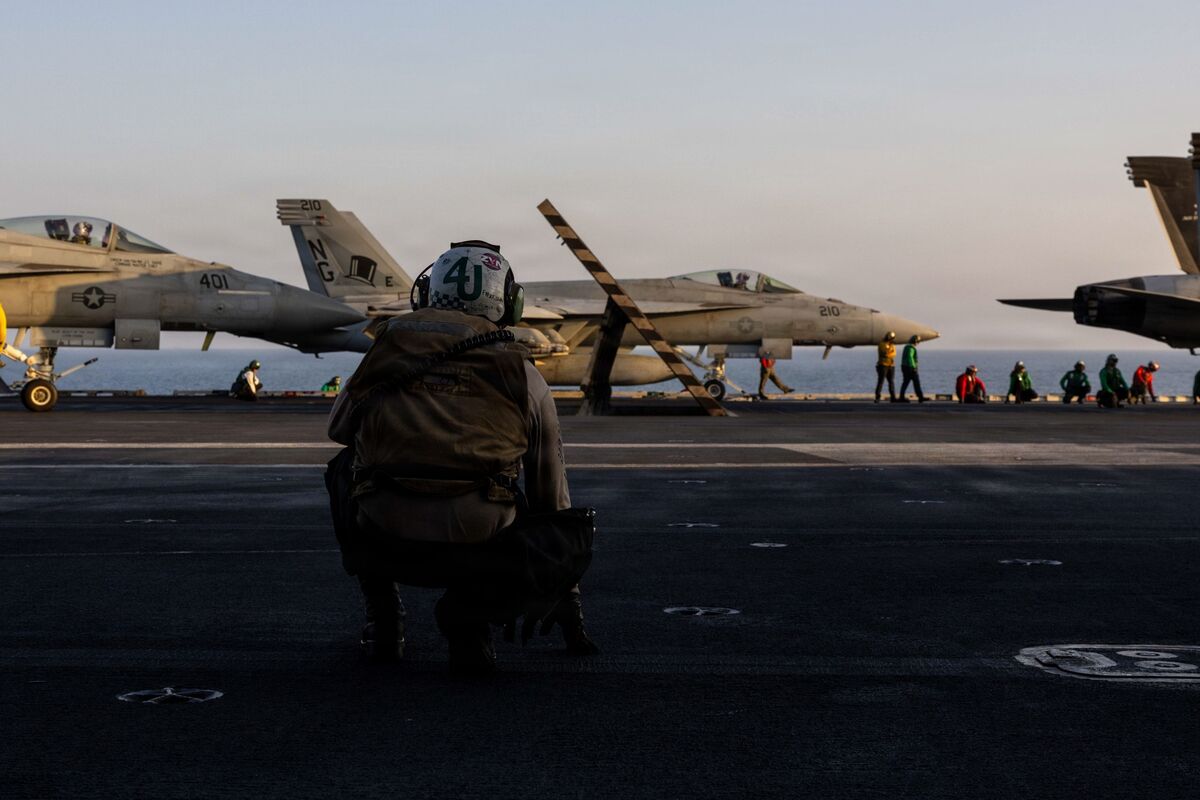
U.S. Central Command warned it will target any vessel engaged in or supporting mine-laying activities near the Strait of Hormuz, escalating military risk around a critical global shipping chokepoint. The advisory underscores ongoing efforts to impede safe transit and mine clearance, increasing the probability of short-term disruption to oil and maritime flows. The headline is geopolitically significant and could pressure energy and freight markets.
This raises the probability of a short, sharp risk premium in global logistics rather than a lasting disruption to physical barrels. The first-order beneficiary is not a pure defense name but anyone monetizing higher maritime insurance, rerouting, and inventory carry; the second-order loser is anything with fragile just-in-time supply chains or thin freight margins. The market usually underprices how quickly shipping desks re-price transit risk: once one or two incidents occur, charter rates and war-risk premia can gap within days even if the actual volume interruption is limited.
For energy, the important distinction is between flow disruption and expected-flow disruption. Even without sustained closures, the mere prospect of interference can lift prompt crude and refined-product spreads, with the steepest impact in middle distillates and Asia-linked freight routes. That said, if this remains a signaling event rather than a kinetic campaign, the price effect should fade over weeks as physical barrels find alternative routing and inventories absorb the shock.
The cleanest losers are airlines, truckers, and industrials with high fuel sensitivity and weak pass-through, especially if the market starts treating this as a recurring headline risk into summer demand. A less obvious beneficiary is domestic energy infrastructure with non-Hormuz exposure: U.S. midstream and Gulf Coast export assets can benefit from wider Brent-WTI differentials and more demand for non-Middle East supply. Defense names may get a sentiment bid, but the move is likely less durable unless this escalates into a broader regional security cycle.
Consensus may be too focused on a binary "oil up, risk off" reaction and not enough on the convexity in logistics. If the Strait remains open but militarized, the real trade is not higher crude alone; it is higher delivered energy costs, higher shipping insurance, and a widening penalty for import-dependent industries. That dynamic can persist longer than the spot oil spike, making the second-order margin compression trade more attractive than chasing outright energy beta.
AI-powered research, real-time alerts, and portfolio analytics for institutional investors.
Request DemoOverall Sentiment
moderately negative
Sentiment Score
-0.45
