
4 Exciting Smart TVs Coming Out In 2026
Source: bgr.com
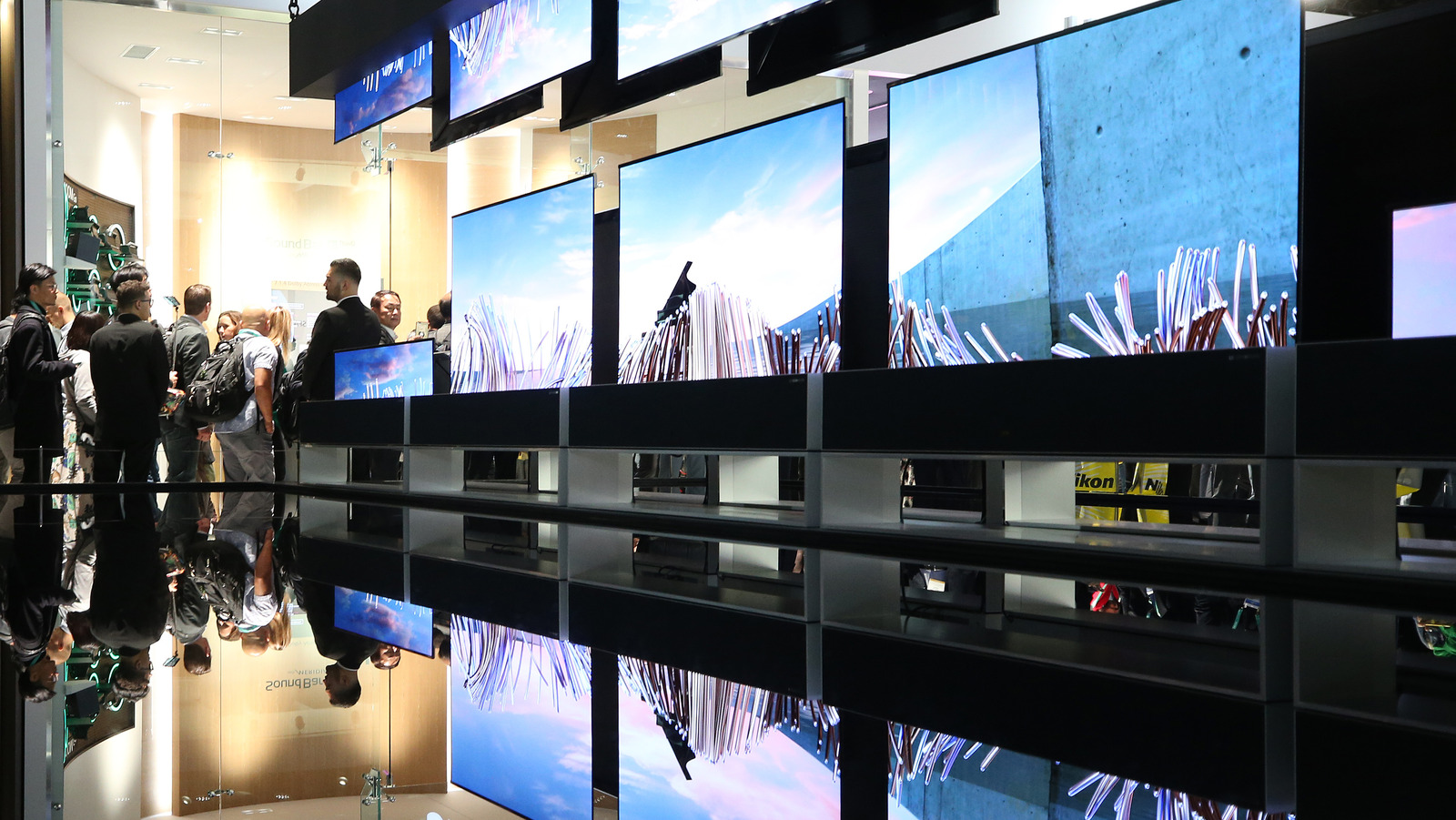
Major TV makers are positioning RGB MiniLED / Micro RGB as a 2026 battleground ahead of CES: LG will ship a Micro RGB evo (MRGB95) in 75-, 86- and 100-inch sizes with the α11 AI Processor Gen 3 and full BT.2020/DCI‑P3/Adobe RGB coverage and “over a thousand” dimming zones (vs Hisense 116UX at 3,584 and Samsung MR95F ~5,000); Samsung plans Micro RGB in 55–115-inch sizes (its 115-inch Micro RGB previously listed at ~$30,000) with updated AI and Eclipsa Audio; Sony has trademarked “True RGB” and may launch Bravia 10/9 II/7 II models (50–115 inches) possibly using MediaTek’s MT9131. For investors, intensified competition on RGB MiniLED and AI upscaling features suggests potential share gains for early adopters, pricing pressure in large-format premium panels, and modest near-term upside for component suppliers ahead of CES 2026.
Analysis
Market structure: RGB MiniLED/Micro RGB arriving at conventional living-room sizes shifts value toward panel makers (LG Display LPL, Samsung Display/SSNLF), LED-driver/semiconductor suppliers (MediaTek for SoCs, LED chipmakers) and brand owners who can command ASP premiums (SONY). Expect premium-tier ASPs to hold in 2026 initial cycle (+10–25% on new models) but rapid downmix to mid/high volumes if smaller sizes reach sub-$4k, pressuring margins for undifferentiated OEMs and retailers within 6–12 months.
Risk assessment: Tail risks include yield problems or driver failures causing recalls (3–6% chance) and supply-chain concentration (single LED-driver supplier) creating input-price shocks; antitrust/standards fragmentation around Eclipsa Audio could delay content/compatibility adoption. Short-term (days–weeks) volatility will cluster around CES announcements; medium-term (3–12 months) depends on initial reviews and yield rates; long-term (2+ years) adoption will hinge on content ecosystem and manufacturer capex decisions that could create overcapacity.
Trade implications: Favor long exposure to SONY (brand + software/IP) and to panel/LED suppliers (LPL) for 6–12 months while using option structures to cap downside; consider short or put spreads on mass-market retailers (BBY) or low-margin OEMs if post-CES pricing signals a rapid ASP deterioration. Use pair trades (long SONY, short BBY or short a repeat-fast-follower OEM) to isolate premium-brand capture vs retail margin compression around product-cycle revelations at CES (30-day catalyst).
Contrarian angles: Consensus underestimates the chance of overcapacity and price deflation—histor precedent: 4K TV ASP collapse after 2015 capacity ramp. If RGB MiniLED manufacturing costs don’t fall ~40% in 12–18 months, adoption will stall and panel suppliers may underperform. An unintended consequence: open-source audio (Eclipsa) fragmentation could slow premium content differentiation and delay consumer willingness to pay a meaningful premium, creating a 6–18 month window to short cyclical suppliers after initial hype.
AllMind Terminal
AI-powered research, real-time alerts, and portfolio analytics for institutional investors.
Request TrialMarket Sentiment
Overall Sentiment
mildly positive
Sentiment Score
0.25
Ticker Sentiment
Key Decisions for Investors
- Establish a 2–3% portfolio long in SONY (SONY) within next 2–4 weeks ahead of CES; implement a 3-month call spread (buy 1x ATM call, sell 1x 20% OTM call) to target asymmetric upside into 30–90 day product/earnings catalysts while capping premium.
- Establish a 1–2% tactical long in LG Display (LPL) for 6–12 months to capture panel ASP uplift; set a take-profit at +30% and a hard stop-loss at -15% to manage execution/technology risk tied to yield realization.
- Enter a 1–2% short or put-spread position on Best Buy (BBY) (e.g., buy 3–6 month 10% OTM put spread) if CES reveals multiple sub-$4k 65–75" Micro RGB/OLED models or if manufacturers announce aggressive small-screen pricing within 30 days.
- If CES confirms mass-market pricing and early reviews cite yield issues, initiate a pair trade: long SONY (1.5%) / short LPL or SSNLF (1.5%) for 3–9 months to express brand premium capture versus panel supplier margin squeeze; unwind on either 20% move or positive yield guidance.
More News
- AI warnings knock Nasdaq futures, pressure tech stocks
- Wall Street’s new pair trade: Long software, short chips
- The Anthropic IPO Is Coming. You May Already Own a Piece of the Stock
- Anthropic tells investors it will post second straight quarterly profit
- Alphabet's Rapidly Growing $50 Billion Business Is a Huge Advantage in the AI Arms Race
- A fresh midterm headache for the GOP just hit a national record