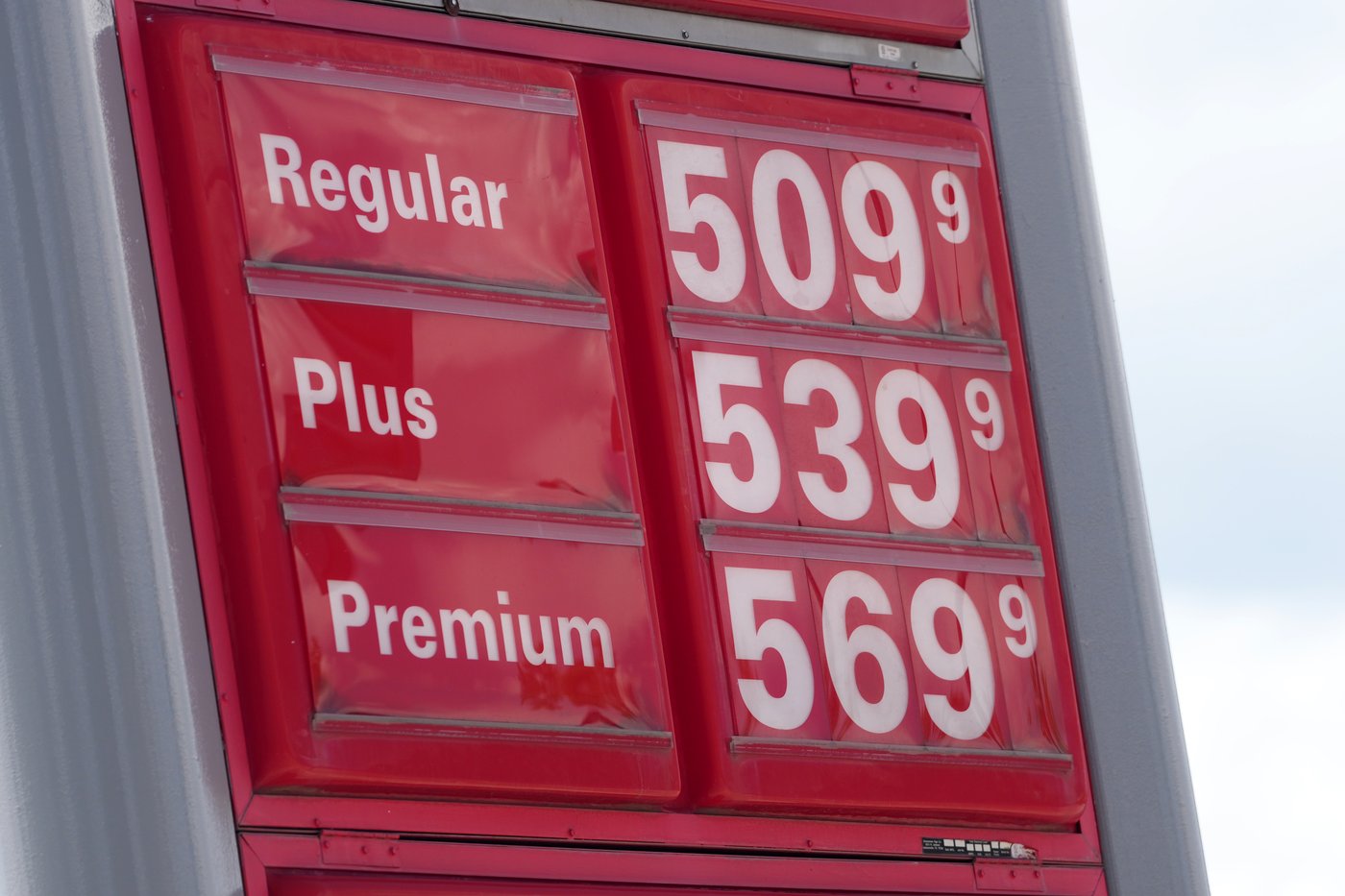
U.S. consumer confidence slipped 0.7 points to 93.1 in May, while the University of Michigan sentiment index fell to a record low 44.8, signaling persistent strain from inflation and high gas prices. Two-thirds of respondents said they are cutting back spending, with many delaying purchases and economizing on discretionary items such as clothes, shoes, hobbies, and toys. Gas prices have risen to $4.49 a gallon from $2.98 before the war, and inflation remains elevated at 3.8%, reinforcing a cautious consumer backdrop despite record-high stock prices.
The market is pricing a classic late-cycle bifurcation: asset-rich households are still spending, but the marginal consumer is starting to trade down. That matters more for earnings than the headline confidence number because discretionary demand is usually driven by the bottom 60% of buyers, not the median household; the first place this shows up is in promotional intensity, smaller basket sizes, and lower conversion on non-essential categories.
The bigger second-order effect is margin compression rather than immediate top-line collapse. If fuel and grocery inflation stay sticky for another 1-2 months, retailers will face a bad mix of weaker unit volumes and higher freight/input costs, which pressures gross margin before it hits comp sales. That setup tends to favor value, off-price, and private-label exposure while hurting mid-tier apparel, specialty retail, and any brand dependent on aspirational discretionary purchases.
For policy-sensitive assets, the key risk is not recession but a consumer-led earnings reset while labor remains too tight for aggressive easing. That combination is toxic for cyclicals because revenue estimates come down faster than the Fed can respond. The contrarian point is that a small cohort with strong balance sheets can keep headline spending resilient, so the selloff in demand proxies may overshoot in the near term if investors extrapolate lower-income stress into a broad consumption freeze.
The most actionable read-through is rotational rather than directional: short the weakest discretionary names into any relief rally, while favoring businesses with pricing power, necessity exposure, or trade-down benefits. The next catalyst is the next CPI/PCE print plus any further gasoline move; if fuel moderates quickly, the pressure on consumer confidence can reverse faster than consensus expects, creating a sharp bear-trap in retail shorts.
AI-powered research, real-time alerts, and portfolio analytics for institutional investors.
Request DemoOverall Sentiment
moderately negative
Sentiment Score
-0.45
