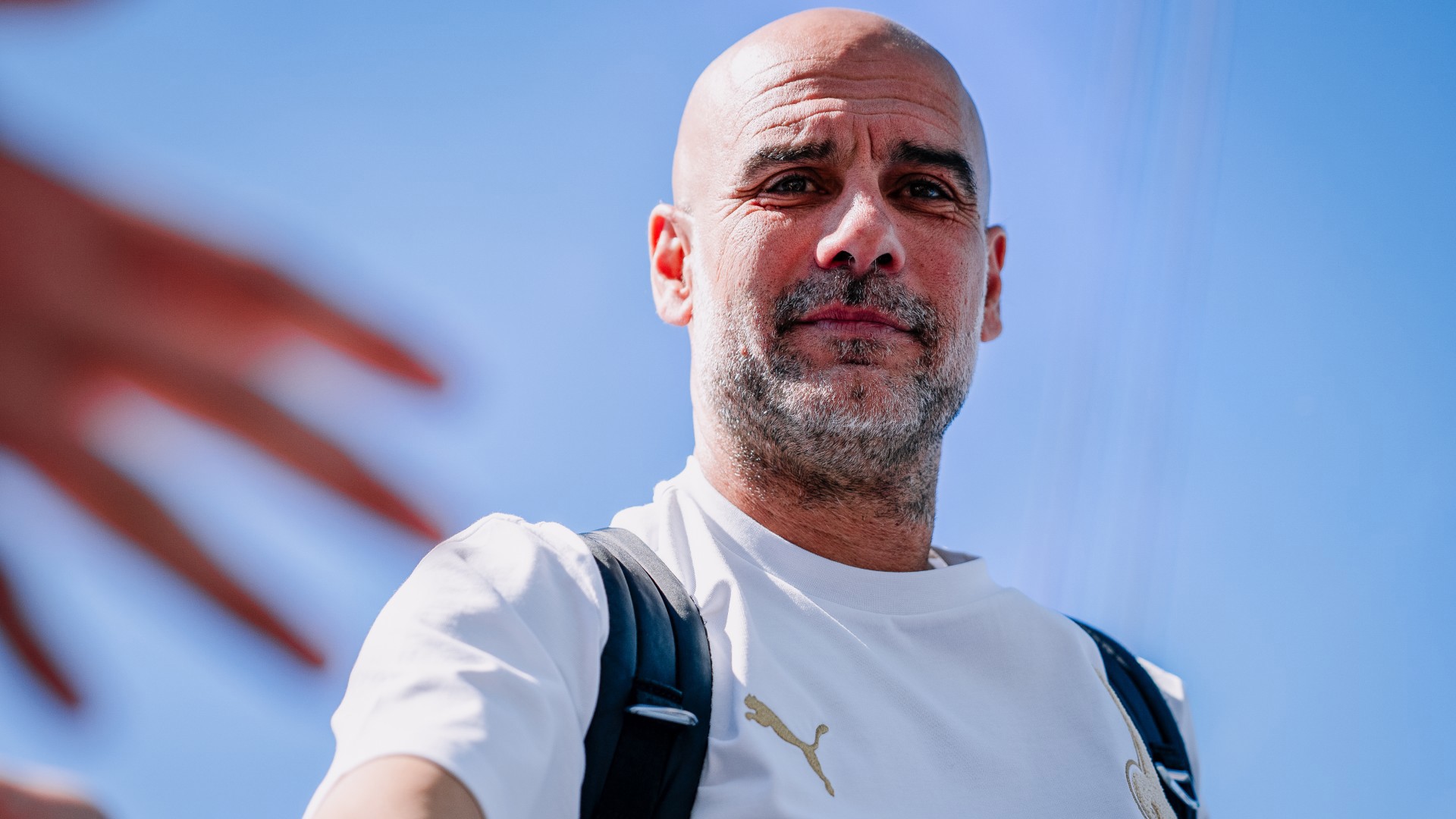
Manchester City are set for their final match of the season with key milestones: Bernardo Silva makes his 460th appearance and John Stones his 295th, while Pep Guardiola is finishing a 10-year spell that has delivered 20 trophies. City are already guaranteed second place in the Premier League and will celebrate the season with an open-top bus parade and Co-op Live event on 25 May. The article is largely ceremonial and historical, with no material financial or market-moving information.
This reads more like a sentiment/liquidity event than a fundamental sports result: a peak-emotion, high-attendance farewell should lift short-dated discretionary spending around the stadium ecosystem, but the revenue impulse is modest and concentrated in one day. The more important second-order effect is brand monetization — a record crowd plus a ceremonial sendoff creates premium content inventory for broadcasters, sponsors, hospitality, and the club’s direct-to-consumer funnel, all of which benefit more than matchday economics.
The key risk is that consensus may overestimate the financial significance of the managerial transition. For elite football brands, the largest earnings driver is not a single result but retention of commercial momentum, global engagement, and on-field continuity; a smooth handoff usually matters over the next 2-3 seasons, not this weekend. If the club’s post-Guardiola identity is perceived as less innovative or less dominant, the real impact would show up in sponsorship renewal pricing and premium seat demand with a lag, not in immediate matchday revenue.
For competitors, the bigger angle is competitive balance: a prolonged transition at the league’s benchmark club can reprice title probabilities and media narratives across the whole Premier League. That can modestly benefit rival clubs with Champions League qualification upside through higher attention and more polarized betting/activity, but the effect is mostly reputational unless the transition materially weakens recruitment or tactical edge. Contrarian take: the market may be underpricing the value of institutional continuity — a deep squad, strong academy, and commercial scale can absorb a manager change better than most expect, limiting downside to the broader ecosystem.
Near term, the trade is event-driven and likely mean-reverting after the celebration weekend. Longer term, the relevant watchpoints are commercial renewal cycles, season-ticket churn, and whether the club’s premium hospitality demand remains at capacity into next season; those are the variables that would confirm or falsify the ‘post-era’ risk story.
AI-powered research, real-time alerts, and portfolio analytics for institutional investors.
Request DemoOverall Sentiment
neutral
Sentiment Score
0.05
