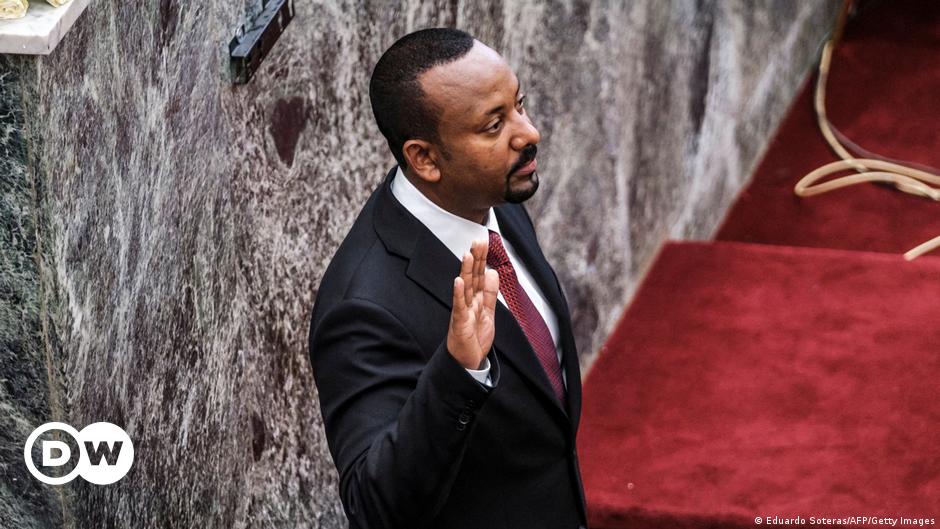
Ethiopia's June 1 elections are clouded by insecurity, with voting suspended in 46 districts across Amhara and Tigray amid clashes, political tensions, and militia activity. Analysts say the vote is likely to re-legitimize Prime Minister Abiy Ahmed rather than alter policy, while rising tensions with Tigray, Eritrea, and Sudan raise the risk of further regional instability. The backdrop of inflation, weak jobs, and limited political openness points to continued domestic and geopolitical risk in a major emerging market.
The marketable takeaway is not the election itself but the signal that Ethiopia’s sovereign risk premium is likely to stay sticky while the state remains unable to reassert territorial control. That matters for any asset with exposure to domestic FX, public spending, or logistics: even without a formal regime shock, fragmented security raises transaction costs, delays project execution, and pushes working capital needs higher. The second-order effect is a slower-pass-through growth profile, which usually hurts local banks, contractors, and import-dependent consumer names before it shows up in headline macro data.
The more dangerous setup is a drift from localized instability to corridor disruption. If militia activity keeps pressure on the northwestern routes and Tigray remains unresolved, the real economic hit comes through freight insurance, fuel distribution, and agricultural-to-urban supply chains rather than through the election result itself. That creates a potential inflation impulse over the next 1-3 quarters, especially in staples and transport-heavy goods, even if the central government maintains nominal control in Addis.
Geopolitically, the underappreciated risk is cross-border contagion: Ethiopia’s internal fragility increases the probability of external adventurism or proxy escalation, which would widen spreads across the Horn of Africa. The market often treats this as a domestic political story, but the broader read is that any deterioration in Ethiopia raises tail risk for Sudan-linked trade flows and for Gulf-backed regional positioning. If peace talks or a durable accommodation in Tigray emerge, the downside risk to local assets could unwind quickly; absent that, this is a slow-burn risk regime rather than a one-day event.
AI-powered research, real-time alerts, and portfolio analytics for institutional investors.
Overall Sentiment
strongly negative
Sentiment Score
-0.55
