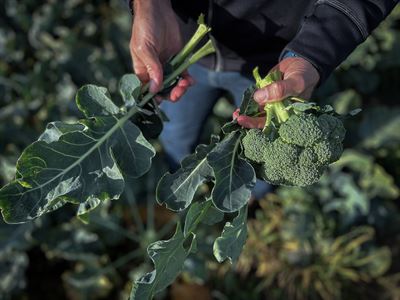
Swedish research and industry partners found that roughly 50% of the broccoli plant (leaves) is routinely left in the field, with only ~20% (florets) typically used; Sweden harvests ~2,800 tons of broccoli annually and nearly 70% of edible broccoli is lost across the chain. By harvesting upper leaves—an approach validated in pilot trials by Axfoundation, SLU and partners—yields could effectively double without additional land or inputs, reducing climate impact per kilogram. The initiative has produced commercial products, notably a broccoli-leaf soup rolling out in all IKEA Sweden stores at end of January (limited quantities), signaling potential upstream supply increases and new low-cost plant-based ingredient streams for processors and retailers if scaled by 2026.
Market structure: Winners are downstream processors, foodservice/retailers and selected food-tech equipment suppliers that can monetize low-cost side streams (e.g., packers, gentle blanch/aseptic lines). Domestic broccoli edible supply could rise toward +100% for the existing crop footprint (2,800 → ~5,600 t), materially improving gross yield per hectare but remaining a small portion of EU vegetable markets; pricing power shifts to processors/retailers who can capture value from formerly wasted biomass. Cross-asset: expect minor downward pressure on agricultural input demand per edible-kg (small negative bias for fertilizer names) and modest positive sentiment for ESG-themed credit and equities if scaling is credible.
Risk assessment: Tail risks include a food-safety recall or EU/Swedish regulatory reclassification of side-streams as non-food (low probability, high impact), or labor/capex overruns at farms increasing costs >15% per hectare. Timeline: immediate PR uplift (days–weeks), pilot commercialization scaling over 6–18 months, potential nationwide adoption by 2026 as targetted in the article. Hidden dependencies: cold-chain, packaging availability, and farmer contractual terms; catalysts are large retailers/brands (IKEA/ICA/major CPG) announcing rollouts or EU funding commitments.
Trade implications: Direct plays favor European packaged-food leaders with plant portfolios (long NSRGY SW / NSRGY ADR, long UL US) and Swedish food retail/distribution (long ICAG.ST) sized 1–3% each; tactical long exposure to food-processing equipment (GEA.DE) at 1%. Hedge or reduce 0.5–1% exposure to fertilizer/crop-input names (e.g., CF, MOS) given the structural marginal demand risk. Options: implement 9–12 month call spreads on NSRGY/UL (buy 0–10% OTM, sell 10–20% OTM) to cap cost; add risk if IKEA/ICA scale to national rollouts or 3rd-party adoption within 6 months.
Contrarian angles: Consensus likely underestimates implementation friction — harvesting leaves increases harvest complexity and labor cost and could compress grower margins even as edible yield rises, pressuring small growers. Historical parallels (side-stream upcycling pilots in EU horticulture) show many projects stall between pilot and scale; require >2–3 large retail partners or contract manufacturing to become investable. Unintended consequence: commoditization of side-stream ingredients could force processors to compete on price, not ESG premium, capping upside for CPG multiples.
AI-powered research, real-time alerts, and portfolio analytics for institutional investors.
Request DemoOverall Sentiment
mildly positive
Sentiment Score
0.30
