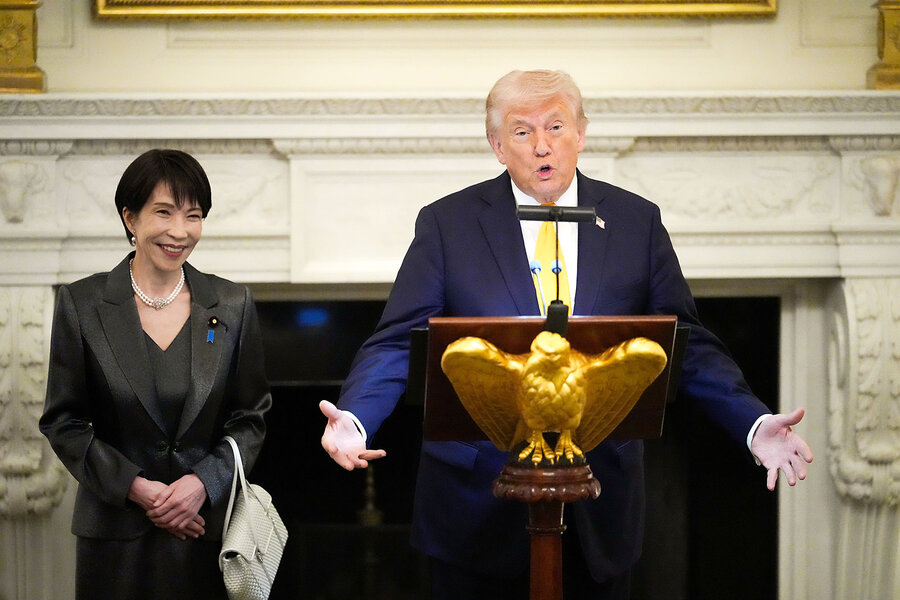
Japan pledged up to $40B for U.S. small modular reactors and up to $33B for U.S. natural-gas facilities, while Tokyo is increasing defense spending to over 2% of GDP. Despite a cordial summit with President Trump, Tokyo is worried about U.S. redeployment of naval, Marine and air-defense assets to the Middle East and ambiguous U.S. policy toward China, raising security risks in the Indo-Pacific. The Iran conflict is already lifting energy and food prices and forcing Japan to release strategic oil reserves, so prolonged U.S. distraction would heighten economic and supply-chain stress for Japan.
Tokyo’s strategic discomfort with alliance reliability is not just geopolitical theatre — it will rewire procurement and capital allocation decisions across energy and industrial supply chains over the next 6–36 months. Expect more long-term offtakes and equity investments into foreign energy generation and LNG capacity, and accelerated sourcing diversification for critical inputs (rare earths, specialty steel, naval components), which tightens near-term spot markets even before new capacity comes online.
A stepped-up Japanese defense procurement program, if executed at a pace to close perceived capability gaps, generates an outsized multi-year demand shock for missiles, munitions, shipbuilding steel, naval electronics and precision sensors; the effective multiplier sits in component supply chains where lead times are 12–24 months and capacity is lumpy. This favours firms with existing production footholds and qualified supplier status to Western militaries — not new entrants — and risks creating price cascades for niche inputs (precision semiconductors, composite materials) well before headline platforms arrive.
Time horizons and catalysts are layered: diplomatic moves and US force posture shifts will move markets in days–weeks, redeployments and contract awards in months, and industrial capex cycles and new miner output in 1–3 years. Reversals are equally binary — a rapid US recommitment or a de‑escalation with China would compress risk premia, while protracted regional tension would materially re-rate defense and commodity exposures.
The consensus underweights supply-chain scarcity risk and overweights the time it takes to add western-compliant critical-mineral production. That asymmetry creates asymmetric payoffs: near-term commodity and specialized industrial inflation against a medium-term structural uplift to defense primes and allied supply-chain winners if Tokyo accelerates procurement and joint industrial cooperation.
AI-powered research, real-time alerts, and portfolio analytics for institutional investors.
Request DemoOverall Sentiment
mildly negative
Sentiment Score
-0.25
