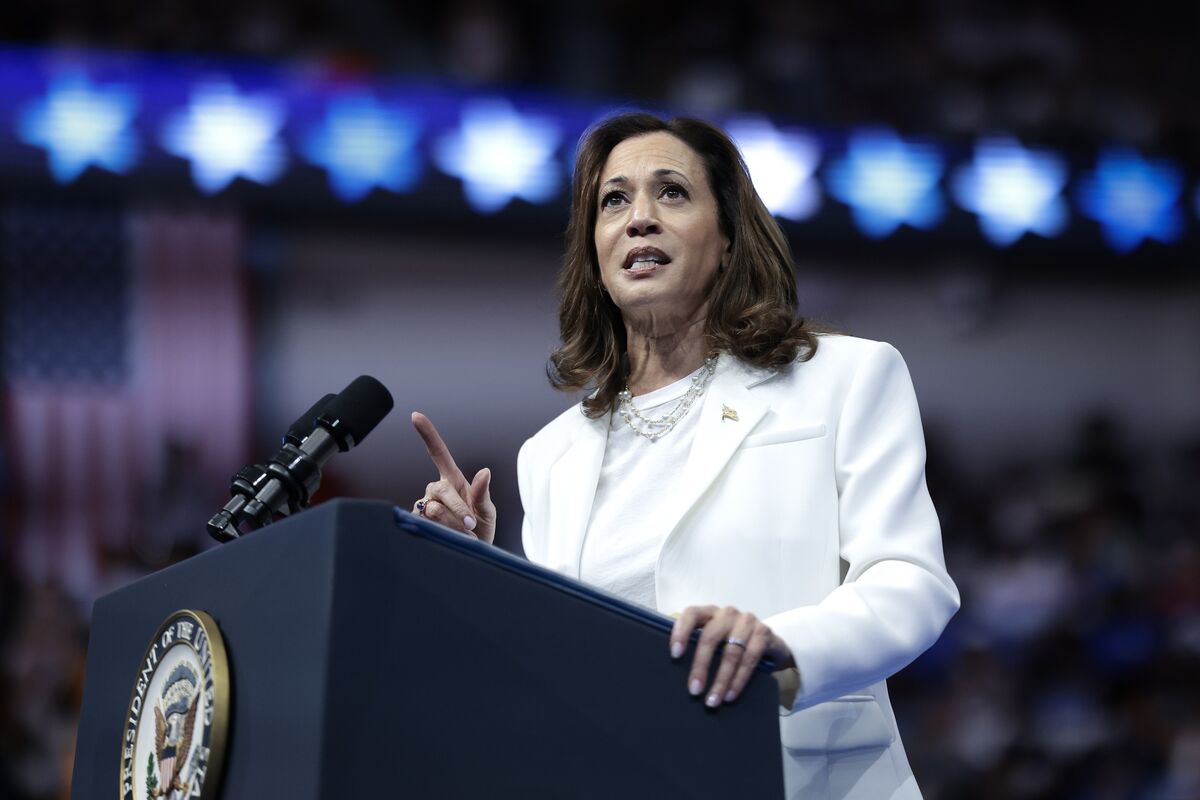
In excerpts from her forthcoming memoir, Vice President Kamala Harris characterizes top Democrats' deference to then-President Joe Biden on his re-election bid as "recklessness," noting he was capable but at times "grew tired." Published in The Atlantic, these comments represent her starkest critique, signaling potential internal party concerns about leadership efficacy and decision-making processes, particularly as viewed from a post-2024 election perspective.
In a significant post-mortem of the 2024 election, former Vice President Kamala Harris has publicly criticized senior Democratic party leadership's handling of Joe Biden's reelection campaign. Citing excerpts from her forthcoming memoir, Harris labels the deference to Biden's decision to run as "recklessness," a stark assessment from his former running mate. While she affirms Biden was capable of serving, she notes he "grew tired at times," pointing to concerns over his fitness for a rigorous campaign and a second term. This commentary reveals deep internal concerns within the party regarding strategic decision-making and leadership evaluation, suggesting that dissent over the 2024 strategy was present at the highest levels. As the data signals indicate, this news is currently confined to the political sphere with a market impact score of zero, but it establishes a narrative of internal party friction that could influence future leadership contests and party cohesion.
AI-powered research, real-time alerts, and portfolio analytics for institutional investors.
Request DemoOverall Sentiment
neutral
Sentiment Score
0.00
