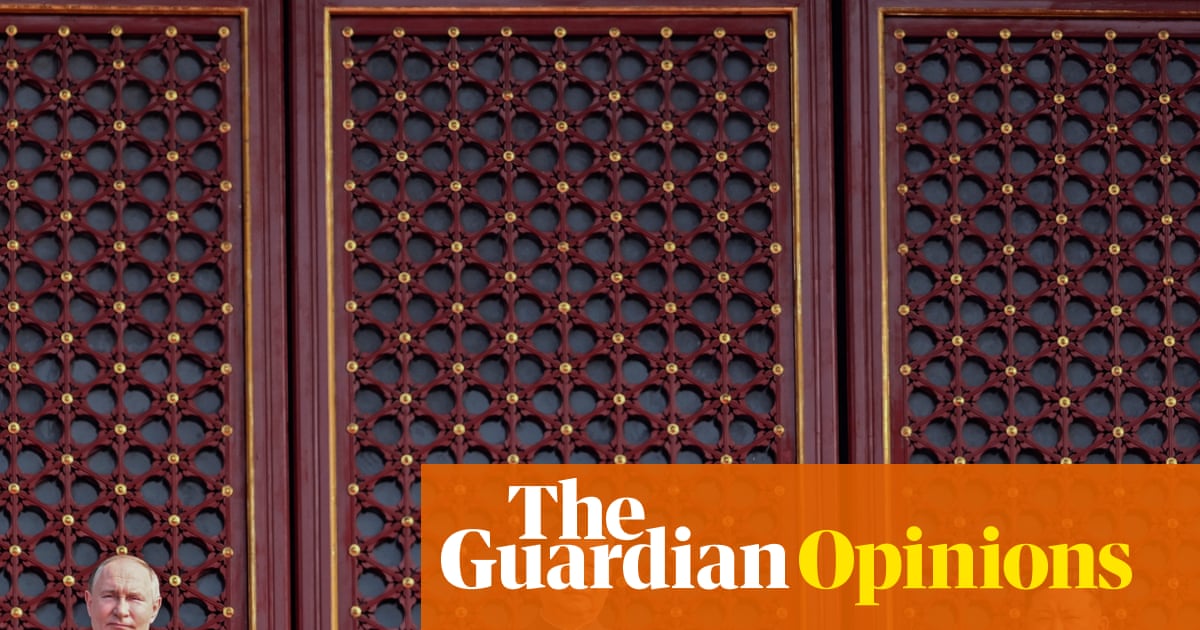
China's recent military parade, commemorating WWII's end, served as a powerful display of Beijing's intent to assert itself as an "unstoppable" global force under Xi Jinping. The prominent presence of leaders like Vladimir Putin and Kim Jong-un underscored a strategic alignment of powers, signaling a potential reshaping of the international order. This assertive posture, occurring amidst perceived weakening of US alliances due to Trump administration policies, suggests a significant shift in global geopolitical dynamics, despite internal challenges within China's military.
China's recent military parade was a deliberate projection of its geopolitical ambition to reshape the global order under Xi Jinping, who characterized the nation as "unstoppable." The event's key message was reinforced by the prominent attendance of Russian President Vladimir Putin and North Korean leader Kim Jong-un, signaling a strategic alignment of powers challenging the post-war global structure. The article posits that this shift is partly enabled by US actions, such as punitive tariffs and strained relationships with traditional allies, which have created opportunities for Beijing to present itself as a more predictable global player. This is exemplified by India's engagement with the Shanghai Cooperation Organisation as a direct response to US trade policy. However, the analysis also highlights significant frictions and challenges beneath this display of strength. The China-Russia-North Korea relationship is described as an alignment with notable limits, evidenced by Moscow's need to procure weapons from Pyongyang. Furthermore, China's military, the People's Liberation Army, faces internal issues, including a lack of recent combat experience and a widening purge of senior officials, raising questions about its operational readiness and political reliability. The primary risk regarding Taiwan is framed not as an imminent invasion, but as a potential concession in a US-China trade deal, underscoring the high degree of uncertainty in the current geopolitical landscape.
AI-powered research, real-time alerts, and portfolio analytics for institutional investors.
Request DemoOverall Sentiment
mildly negative
Sentiment Score
-0.30
