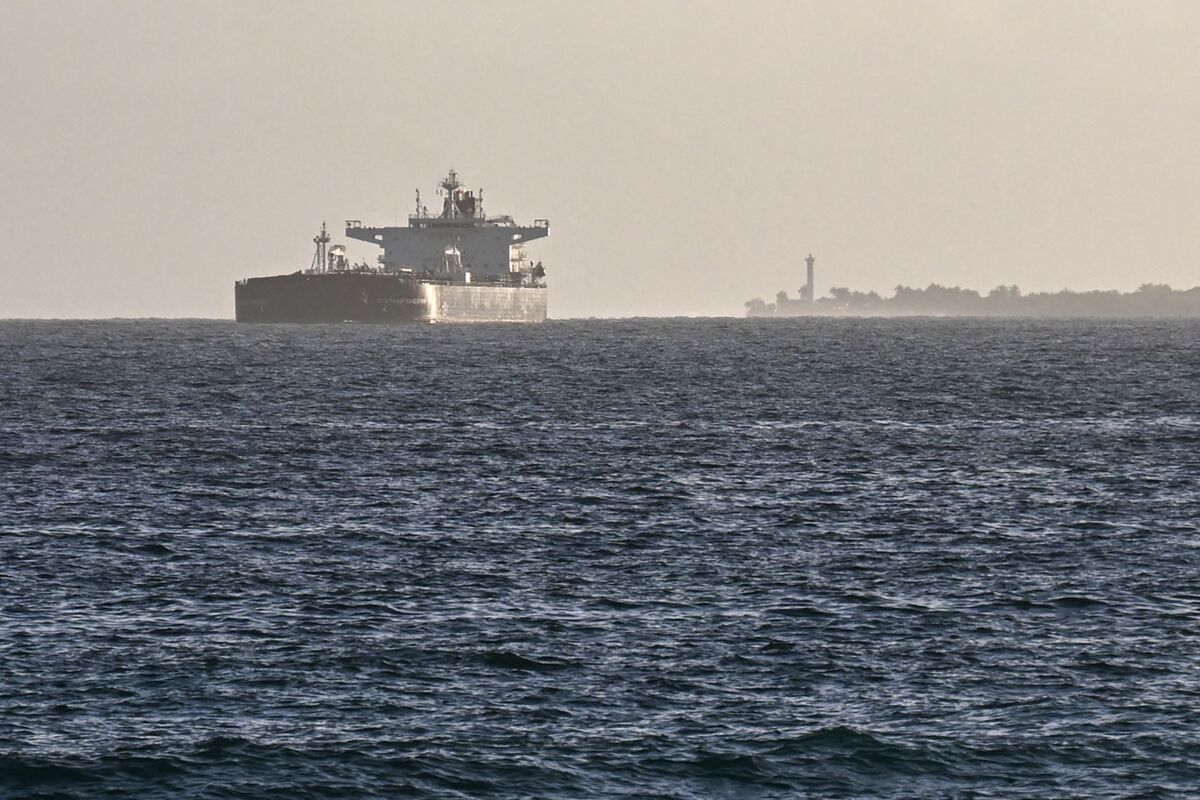
Vanguard Energy suspended plans to ship 250,000 barrels of fuel to Cuba, which would have been the largest US fuel delivery to the island since 1960. The cancellation reflects tightening US pressure on Cuba and operational constraints on the island. The impact is primarily on a single shipment and trading flow rather than the broader market, though it underscores elevated geopolitical and logistics risk.
The immediate winner is not an obvious equity beneficiary but the regional pricing stack: removing even a single large, politically awkward cargo from the Caribbean tightens optionality for nearby product suppliers and nudges marginal barrels toward higher-netback destinations. The more interesting second-order effect is that enforcement risk now matters as much as economics for any trader attempting to clear refined products into sanctioned or quasi-sanctioned markets, which raises the cost of doing business for smaller independents that rely on flexibility rather than balance-sheet scale.
For US Gulf Coast refiners and product traders, the signal is modestly positive over days to weeks because it reduces one potential source of incremental demand destruction for export barrels and reinforces the scarcity premium for compliant logistics capacity. Over months, however, the bigger effect is reputational and operational: banks, insurers, and shipowners are likely to demand wider compliance buffers, which can compress margins for merchant traders even when physical volumes are unchanged.
The contrarian read is that the market may be overestimating the direct supply impact and underestimating the negotiating impact. This is less about one shipment and more about creating a chilling effect that could deter future cargoes, but the actual volume displaced is too small to move global product balances meaningfully; any pricing impulse should fade quickly unless the sanctions regime broadens further or triggers wider Caribbean logistics disruptions. The real catalyst would be a stepped-up blacklist campaign that starts constraining counterparties, insurance, or vessel availability rather than just one trade flow.
In risk terms, this is a low-magnitude but high-signal event: near-term reaction should be strongest in shipping and trade-finance-sensitive names, while the macro energy impact is likely limited unless enforcement widens over the next 1-3 months. Reversal would come from a policy walk-back, a humanitarian exemption, or a successful rerouting through non-US intermediaries that demonstrates the new restrictions are porous.
AI-powered research, real-time alerts, and portfolio analytics for institutional investors.
Request DemoOverall Sentiment
moderately negative
Sentiment Score
-0.30
