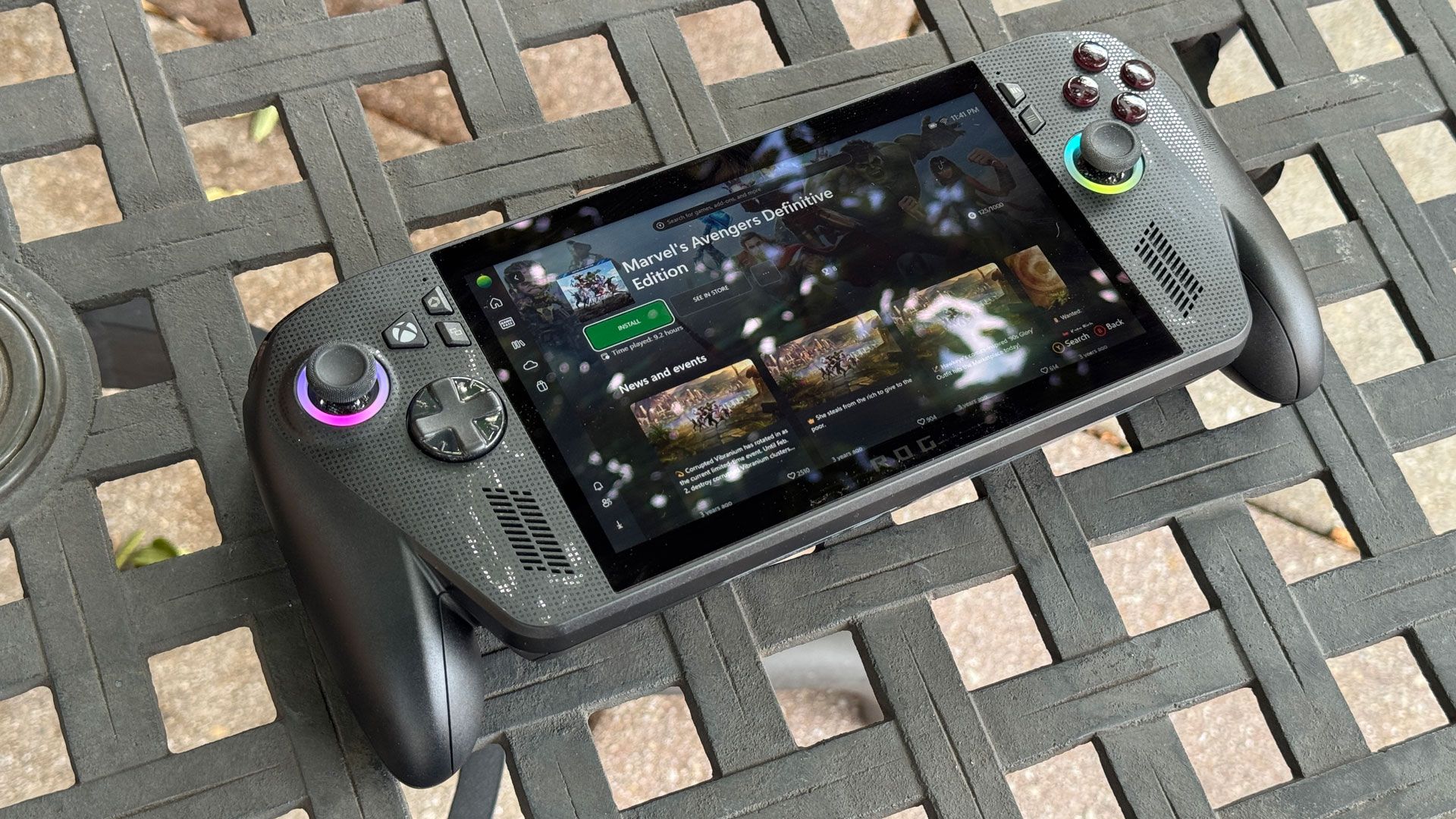
Microsoft will roll out Auto Super Resolution (Auto SR) to the ROG Xbox Ally X in April 2026, claiming up to a 30% performance boost (demo showed Forza Horizon 5 averaging ~35 FPS without upscaling vs ~51 FPS with Auto SR). Auto SR runs at the OS level on the device NPU (Ryzen Z2 AI Extreme), which should raise frame rates, reduce GPU load and potentially improve battery life. Caveats include possible added latency and current support limited to DirectX 11/12 titles.
Microsoft’s push to make AI-driven upscaling an OS-level capability is a play for durable platform control rather than a one-off feature — it raises the baseline expectations for visual quality on low-power devices and turns what used to be a GPU feature into a software/firmware battleground. That shift increases the marginal value of platform incumbency (distribution, OS hooks, developer toolchains) because developers will favor the lowest-friction path to broad install base; a modest uplift in average playtime or lower churn on subscription services can compound into meaningful service revenue over 12–24 months.
On the hardware side, this creates a subtle re-allocation of demand: value will migrate from raw GPU FLOPS toward integrated NPUs and SoC-level AI capability, compressing ASPs and shipment growth for discrete mobile GPUs in the near term. Suppliers that cannot deliver efficient on-die neural engines risk longer inventory tails and weaker pricing over the next 2–4 quarters, while foundry and IP partners that enable compact AI accelerators become strategic bottlenecks — watch packaging and IP licensing flows for early signs.
From a product and user-experience perspective, the market bifurcates — high-refresh, low-latency competitive titles will continue to value raw frame-rate, while single-player and cinematic experiences can trade off latency for higher perceived resolution. That creates an elongated upgrade cycle: premium hardware for prosumers and a software-driven quality uplift for the mass market, which will change OEM bundling, accessory attach rates, and developer monetization strategies over 6–36 months.
Key near-term catalysts are rollout telemetry (adoption rates, quality complaints) and third-party developer uptake; the primary risks are quality/latency pushback, unexpected battery/thermal regressions in the field, or rapid countermoves from GPU incumbents that standardize competing upscalers. Expect market reaction in weeks for sentiment and 3–12 months for measurable revenue/ASP effects, with a full supply-chain reprice taking up to 2–3 years if the trend persists.
AI-powered research, real-time alerts, and portfolio analytics for institutional investors.
Request DemoOverall Sentiment
mildly positive
Sentiment Score
0.25
Ticker Sentiment
