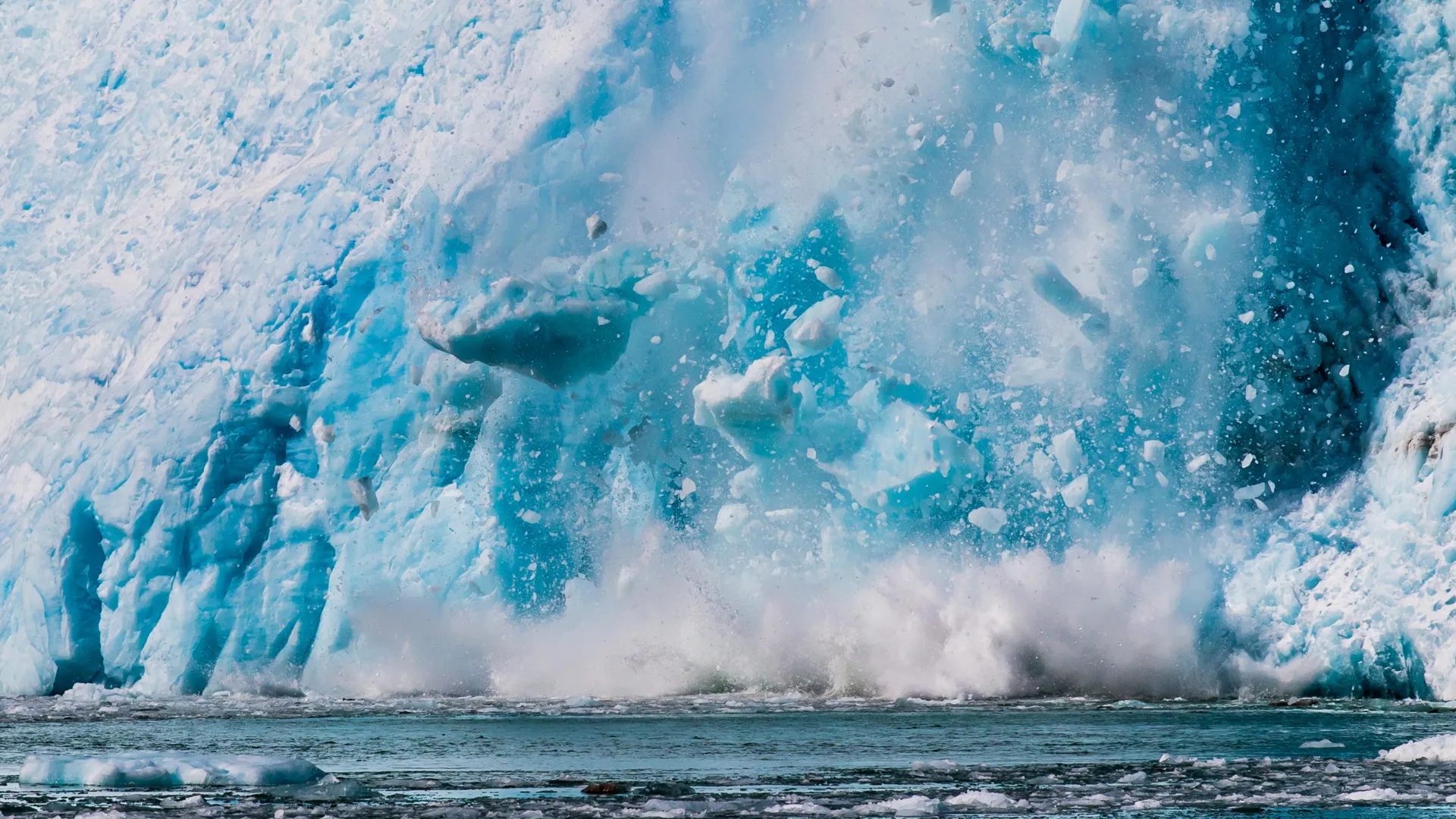
Hektoria Glacier on the Antarctic Peninsula retreated roughly 8 km in 60 days in 2023, with nearly half of the ~115 sq. mile glacier breaking apart after sections lifted off a flat sub-sea bedrock (an ice plain) and underwent rapid basal-to-surface fracturing and calving. Satellite imagery and seismic data documented the sudden collapse, and researchers warn similar ice-plain conditions beneath much larger glaciers could trigger comparably fast ice loss, accelerating sea level rise and raising long-term risks for coastal real estate, insurers, and climate-sensitive investment strategies (Nature Geoscience, 2025).
Market structure: Winners are engineering/construction firms (Jacobs J, AECOM ACM), water/infrastructure tech (Xylem XYL, American Water AWK) and reinsurers that can reprice catastrophe risk (RenaissanceRe RNR, Munich Re MUV2). Losers are coastal residential REITs and mortgage lenders with concentrated coastal loans (AvalonBay AVB, Equity Residential EQR) and municipal issuers in high-risk zones; expect near-term repricing of coastal property and insurance premiums by 5–20% depending on modeled exposure.
Risk assessment: Tail risk is a rapid, larger West/ East Antarctic grounding-line collapse that accelerates sea-level scenarios (additional ~cm–decades scale) and forces immediate regulatory coastline retreat policies; probability low but impact >$100bn in insured losses over decades. Immediate (days–weeks) effects: volatility spikes in insurers/REITs and options vols; short-term (months) effects: reinsurance rate adjustments at Jan 1 renewals; long-term (years) effects: sustained adaptation capex and muni-bond spread widening.
Trade implications: Direct plays: long adaptation capex (XYL, J) and selective reinsurers (RNR) on a 6–18 month horizon; defensive shorts/puts on AVB/EQR sized to portfolio risk. Use pair trades (long XYL, short AVB) and options (buy 9–12 month puts on AVB 15% OTM; buy 12-month call spreads on J) to express asymmetric views while capping downside.
Contrarian angle: The market may overreact to a single glacier event—Hektoria is small—so short-term insurer sell-offs could be buying opportunities if capital levels remain intact; conversely, adaptation demand is underpriced, so small long allocations to infrastructure/water-tech can compound as governments allocate 0.5–2% GDP to coastal defenses over next 3–7 years.
AI-powered research, real-time alerts, and portfolio analytics for institutional investors.
Request TrialOverall Sentiment
moderately negative
Sentiment Score
-0.45
