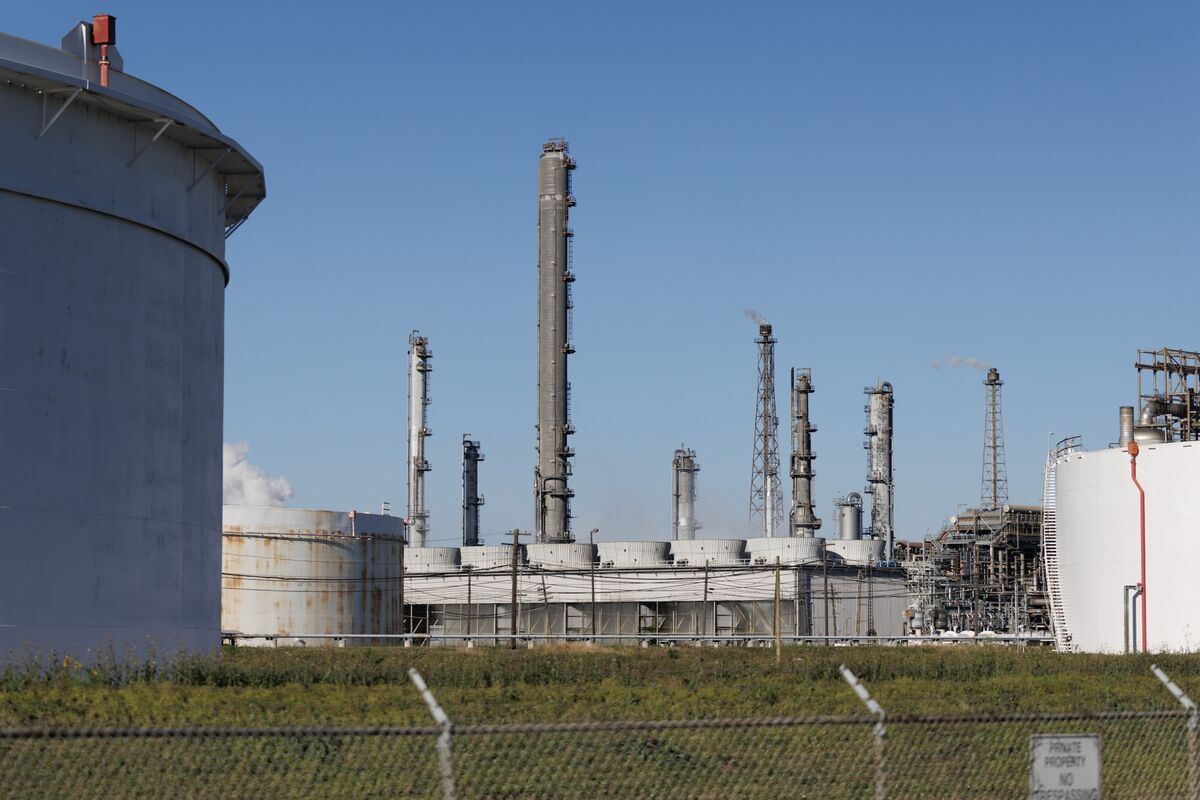
IEA Executive Director Fatih Birol said it could take up to two years to recover a significant share of oil and gas production disrupted by the Iran war. He said damage across the Persian Gulf has affected oil fields, refineries, and pipelines, implying a gradual restoration of supply rather than a quick rebound. The outlook is negative for regional energy supply and supportive for oil and gas prices in the near term.
The market is likely underpricing duration risk: a multi-quarter supply impairment in the Gulf is not just a crude story, but a refined-product and logistics story. The first derivative is higher prompt energy prices, but the second derivative is tighter middle-distillate and naphtha balances as damaged infrastructure slows rerouting and processing, which tends to keep cracks elevated even if headline crude retraces. That supports the producers with low lifting costs and spare balance-sheet capacity, while penalizing refiners exposed to feedstock volatility and shipping/insurance names with Gulf route concentration.
The key competitive shift is that non-Gulf barrels become more valuable on a delivered basis, especially Atlantic Basin crude, LNG, and refined product exporters that can arbitrage regional shortages. U.S. shale does benefit, but not symmetrically: the winner set is the names with near-term production flexibility and minimal Saudi/Gulf replacement exposure, not the broad energy complex. A longer disruption also re-prices infrastructure security and defense spending as an insurance premium, which is a quieter but persistent beneficiary over months rather than days.
Tail risk is policy-induced reversal: a ceasefire, coordinated release, or diplomatic corridor can compress the risk premium quickly, especially if physical damage proves repairable faster than expected. The more likely path, though, is a stair-step recovery where markets fade each headline but keep a structural premium for 1-2 quarters because spare capacity is not the same as usable capacity. Consensus may be too focused on spot oil and not enough on the knock-on effect of refinery outages and transport bottlenecks, which are slower to normalize than wellhead output.
Contrarianly, if the conflict meaningfully suppresses regional demand, the net upside to headline crude may be less than expected, but that does not fully offset the scarcity premium in products and freight. That argues for relative-value exposure rather than outright beta: own resilience and duration, short the margin squeeze beneficiaries, and use options to express asymmetric upside while limiting event-risk decay.
AI-powered research, real-time alerts, and portfolio analytics for institutional investors.
Request TrialOverall Sentiment
mildly negative
Sentiment Score
-0.35
