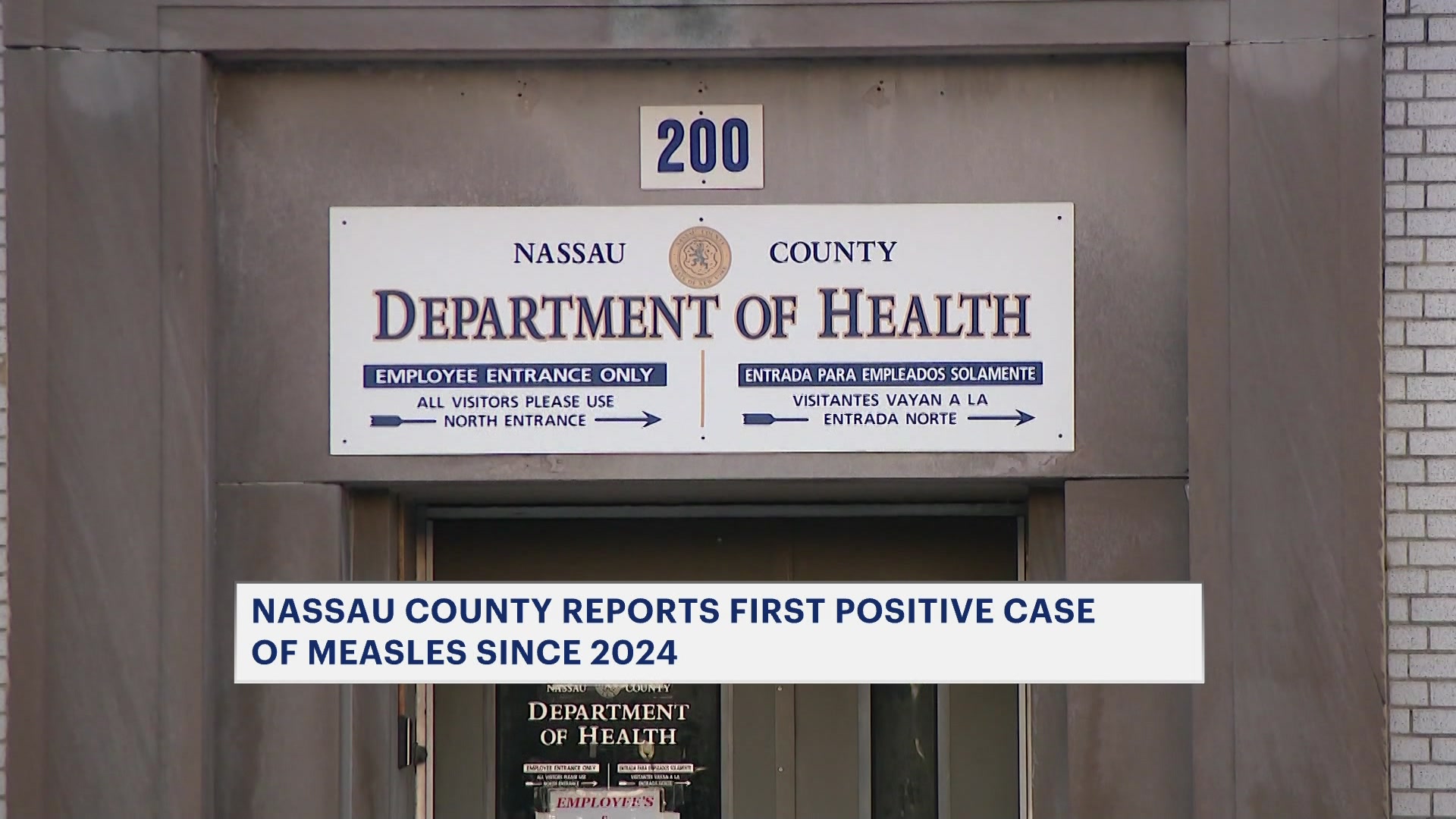
Nassau County confirmed its first measles case since 2024 in an unvaccinated child under five, prompting a public health investigation with the state Health Department. Officials emphasized MMR vaccination, noting 82.3% of Nassau County residents and 82.2% of Suffolk County residents had received at least one dose by age two, well below the 95% herd-immunity threshold. The report is primarily a local health alert with limited direct market impact.
The market impact is less about the single case and more about what it signals for underpenetrated immunization coverage: a localized public-health event that can quickly create behavior changes across pediatric and urgent-care utilization. Even without a broad outbreak, measles scares tend to pull forward appointment volumes for MMR catch-up shots, exposure screening, and school-entry compliance checks over the next 2-6 weeks, which is incremental demand for primary care systems, retail clinics, and vaccine distributors rather than a direct monetization event for hospitals.
The second-order loser set is broader than the article suggests. Any sustained fear of transmission can depress discretionary pediatric visits and elective office traffic in the short run as families avoid clinics, while increasing triage calls and low-margin ER presentations. If case counts stay isolated, the effect fades fast; if additional cases surface, the pressure shifts to public-health budgets, school attendance, and local labor availability, with the most obvious beneficiaries being names that sell or administer routine childhood vaccines and those with strong immunization supply chains.
The contrarian view is that this is more a reminder of structural vulnerability than a tradable outbreak thesis. Because vaccination is already embedded in standard care, the direct earnings impact to public equities is likely too small for a clean single-name catalyst unless the cluster broadens materially. The real edge is in timing: the first 1-3 weeks after a confirmed case are when testing, prophylaxis, and vaccination flows spike; after that, the trade becomes a sentiment fade unless there is evidence of secondary transmission.
AI-powered research, real-time alerts, and portfolio analytics for institutional investors.
Request DemoOverall Sentiment
mildly negative
Sentiment Score
-0.25
