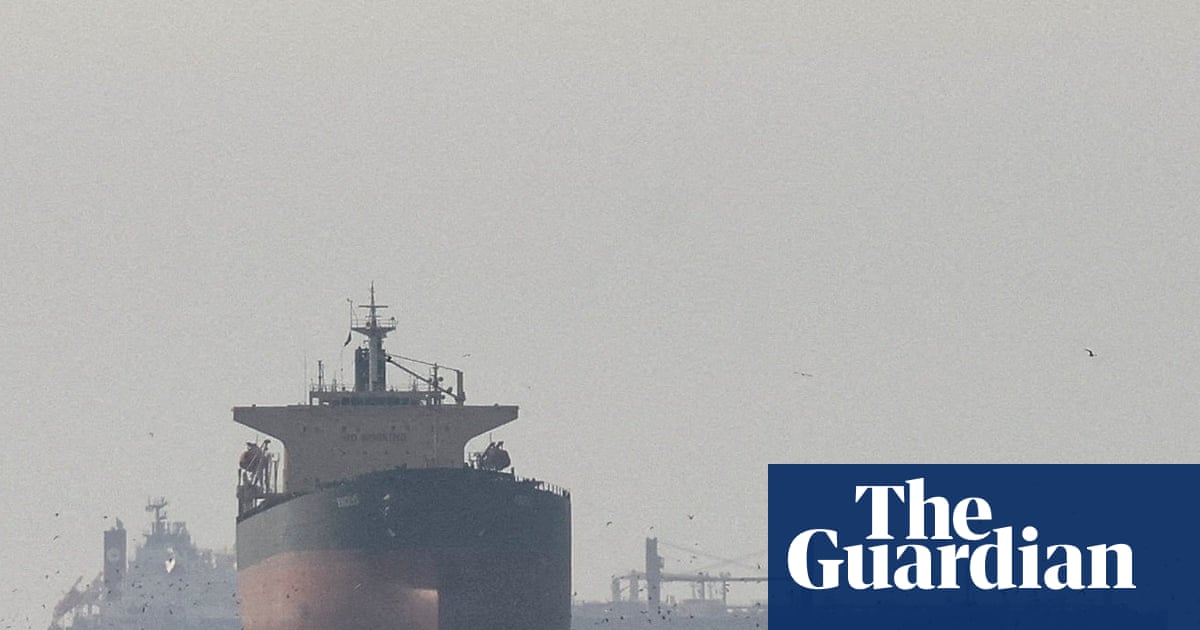
Oil prices surged from about $65 to over $100/barrel after Iran announced it would target ships in the Strait of Hormuz (roughly a +54% move), triggering forecasts of higher inflation and weaker growth. The UK is weighing minesweeping drones and counter-drone deployments rather than sending ships to avoid escalation; HMS Dragon could be redeployed while the last regional minesweeper (HMS Middleton) departed for maintenance and mine-hunting ships were cut from 16 to 7. MoD budget lines show ground-based missile defence spend fell from £158m (2021-22) to £49.4m (2023-24) and counter-drone investment from £22.4m (2021) to £18.1m (2023), highlighting capability constraints amid heightened supply-route risk.
A rapid pivot to unmanned mine-countermeasure and counter-drone platforms materially reshapes near-term defense procurement and marine risk allocation. Unmanned kit can be fielded in weeks–months with unit costs that are an order of magnitude below new surface combatants, which will compress near-term cash outlays but concentrate spending on a narrower set of specialised suppliers and integrators that can scale robotics, sensors and remote combat management systems.
For commodity and shipping markets this creates asymmetric short-term volatility: faster deployment of robotics lowers the tail-risk of prolonged route closure but does little to eliminate immediate insurance and time-charter premia, which are driven by perceived escalation probability. A modest increase in average voyage days (single-digit to low‑teens percent) can translate into outsized spot-rate moves for tankers and reefers because of fleet utilization elasticities and thin spare capacity.
Politically-driven budget reallocation is the wild card. Expect defense ministries to reweight capital budgets toward C4ISR, counter-drone and unmanned maritime systems over the next 6–24 months, benefiting prime contractors with established naval avionics and autonomy lines. Conversely, prolonged uncertainty incentivises corporates and insurers to hedge energy exposure and widen working-capital cushions, keeping downstream margins choppy.
Key catalysts to watch are: (1) speed and scale of robotic deployments (weeks); (2) visible reduction in insurance premia and spot freight rates (1–3 months); and (3) any policy commitment to sustained naval force posture or accelerated defense spend (6–24 months). Diplomatic de-escalation remains the single largest swift reversal event and would quickly reprice risk premia across energy and shipping.
AI-powered research, real-time alerts, and portfolio analytics for institutional investors.
Request DemoOverall Sentiment
strongly negative
Sentiment Score
-0.65
