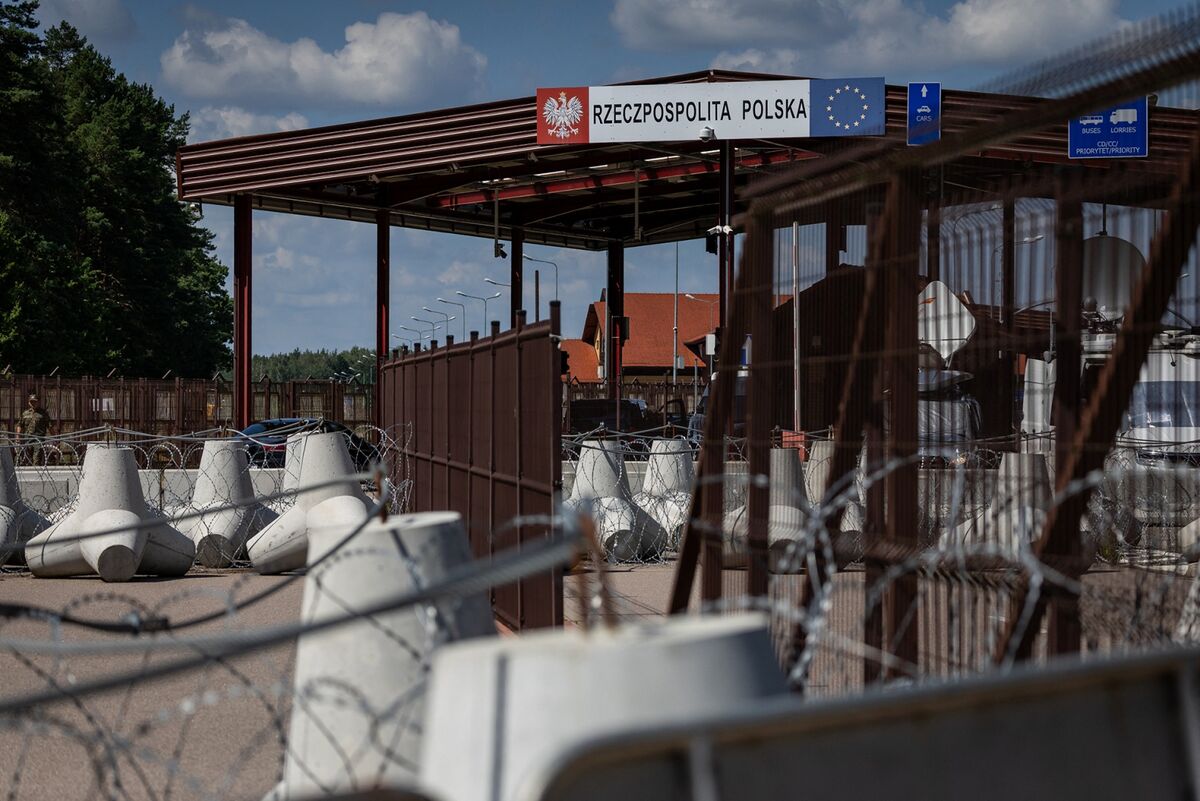
China's Politburo member Li Xi met with Belarusian President Alexander Lukashenko to discuss Poland's closure of its border with Belarus, a decision that has severed a crucial trade route for Chinese goods. This development highlights escalating geopolitical tensions impacting vital logistical corridors between China and Europe, with Belarus attributing the disruption to Poland.
The high-level meeting between Chinese Politburo member Li Xi and Belarusian President Alexander Lukashenko underscores the economic and strategic gravity of Poland's decision to close its border with Belarus. This action severs a crucial overland trade route for Chinese goods destined for Europe, directly translating geopolitical tensions into tangible supply chain disruptions. The event highlights the vulnerability of the Eurasian land bridge, a key component of China's Belt and Road Initiative, to regional conflicts and political alignments, particularly given Belarus's status as a staunch ally of Russia. For China, this is not merely a logistical problem but a challenge to its trade connectivity with Europe, prompting direct engagement at a senior level to assess the situation. The moderately negative sentiment signal (-0.6) is justified by the immediate negative impact on trade flows, while the low-to-moderate market impact score (0.45) suggests the market currently views this as a contained, regional issue rather than a systemic shock to global trade.
AI-powered research, real-time alerts, and portfolio analytics for institutional investors.
Request DemoOverall Sentiment
moderately negative
Sentiment Score
-0.60
