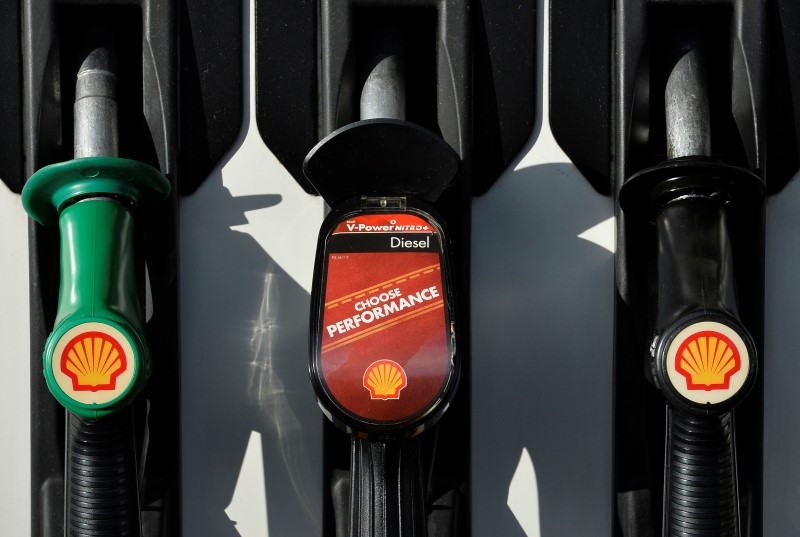
Northwest European gasoline refinery margins rose about 90 cents to $26.91 per barrel as tighter supplies and strong buying lifted the market, with roughly 32,400 metric tons of gasoline barges traded in the Argus window. A shutdown and emergency at Libya’s 120,000 bpd Zawiya refinery adds supply risk, while ARA gasoline inventories fell 6.3% and naphtha stocks dropped 4.3%. In the U.S., consumer sentiment hit a record low in early May as high gasoline prices weighed on household finances.
Refining is the cleaner expression than outright crude here. The combination of tighter product balances in Europe and a refinery outage in Libya should support cracks first, with the biggest second-order beneficiary likely to be integrated names with strong downstream exposure and trading optionality rather than pure E&P. In that setup, SHEL and TTE can monetize volatility on both sides of the barrel, but SHEL has the more levered near-term sensitivity to European product strength given its scale in regional marketing and trading.
The market may be underestimating how quickly a gasoline-led squeeze can feed back into Atlantic Basin product flows. If ARA inventories keep drawing and European buyers bid aggressively, imports from the US Gulf Coast are likely to tighten, which can lift US Gulf Coast product margins even if domestic demand is softening. That matters because weaker consumer sentiment is not immediately bearish for refiners; in the short run, it can actually keep retail demand resilient enough to sustain cracks while the elasticity shows up only after several weeks of higher pump prices.
The real risk is that this move proves transient if refinery utilization normalizes or if Libya restores output faster than expected. In that case, product cracks can mean-revert within days to a few weeks, especially with seasonal gasoline demand near the shoulder period rather than peak summer. The setup is therefore more tactical than structural: bullish on distillate/gasoline margins for 2-6 weeks, but not a thesis to chase if crude itself starts rallying and compresses demand or if product inventory data turns.
AI-powered research, real-time alerts, and portfolio analytics for institutional investors.
Overall Sentiment
neutral
Sentiment Score
-0.05
Ticker Sentiment
