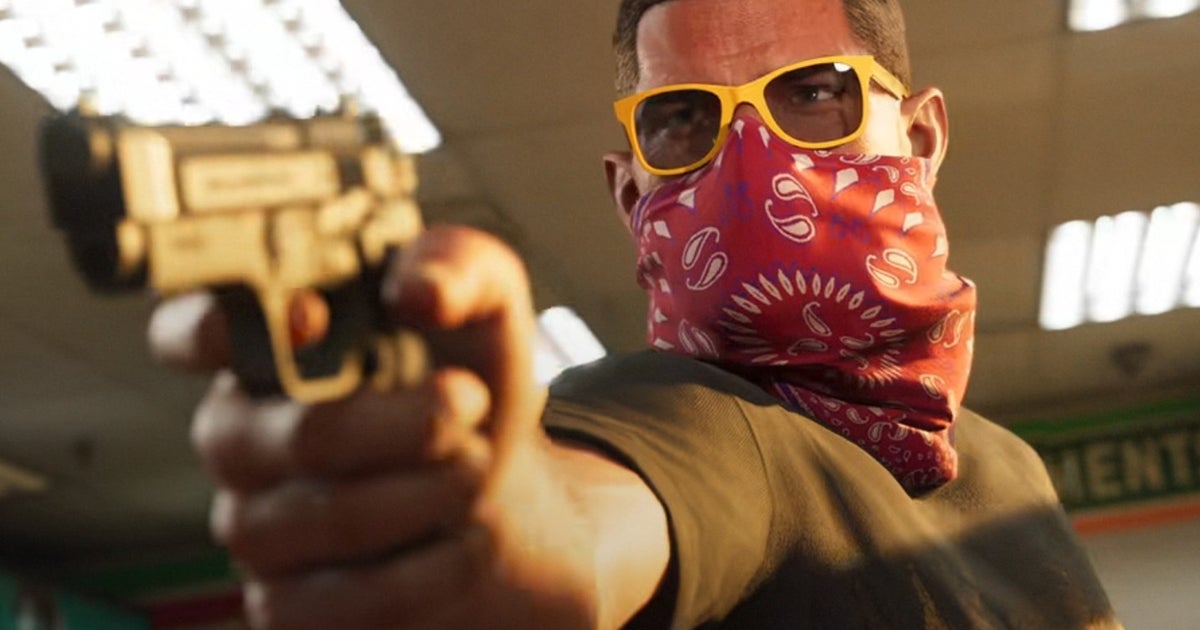
Take-Two declined to confirm GTA 6's price, but Strauss Zelnick said the company aims to charge "way, way, way less" than the value delivered, while noting most major releases have sold for about $60-$70 for the past decade. GTA 6 is still slated for release on 19 November on PS5 and Xbox Series X/S. The article also notes ongoing controversy around Rockstar's recent staff firings and related union-busting allegations, but no new financial disclosure was provided.
The real market signal here is not the eventual sticker price; it is Take-Two’s deliberate refusal to anchor expectations while preserving room for deluxe-tier monetization. That setup matters because the unit economics of a blockbuster game are increasingly driven by post-launch spend, not the box price, so a modest launch MSRP can still coexist with an unusually powerful lifetime revenue curve. The bigger implication is that any disappointment around the headline price will likely be absorbed by the broader franchise ecosystem rather than the core release itself.
The sharper second-order effect is on competitive timing and content budgets. A GTA 6 launch will likely compress engagement and ad inventory across open-world, action, and live-service titles for several quarters, with smaller publishers the most exposed because they lack either pricing power or franchise lock-in. Expect a temporary redistribution of player time away from discretionary spend on other games, which could pressure near-term bookings for publishers with overlapping demos, especially those leaning on Q4 launches.
Governance noise is the underappreciated overhang. Labor-related headlines do not change launch demand, but they do raise the probability of schedule slippage, review risk, and reputational drag around the release window; those are the scenarios that matter to the stock more than price speculation. If management keeps framing the launch as an “all-time” event, the setup becomes asymmetric: execution upside is already partially priced, while any production or controversy misstep could hit sentiment hard because expectations are so elevated.
The contrarian view is that the market may be overestimating the sensitivity of demand to a $70 versus $100 conversation. For a must-own entertainment product, the consumer surplus is so large that a small fraction of the audience will balk, but the marginal revenue lost from higher pricing could be offset by lower discounting and stronger premium edition attachment. In that case, the bigger winner is not the launch price debate but the publisher’s ability to convert attention into recurring spend over 12-24 months.
AI-powered research, real-time alerts, and portfolio analytics for institutional investors.
Request DemoOverall Sentiment
neutral
Sentiment Score
0.05
