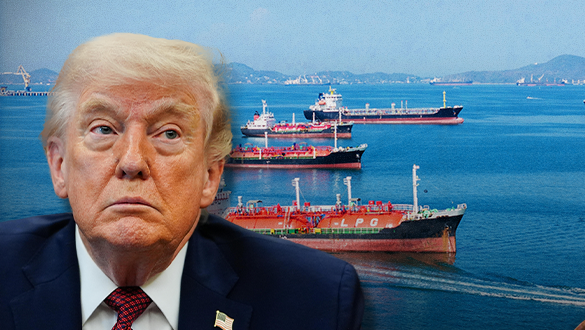
Trump is backing an open-ended blockade of Iran that is already driving up gas prices and has reduced transits through the Strait of Hormuz to the lowest level since the war began. The strategy aims to choke off Iran’s oil revenues and force nuclear concessions, but it also prolongs conflict risk and raises the chance of renewed attacks on Gulf energy infrastructure. The White House is demanding at least a 20-year suspension of uranium enrichment, signaling no near-term de-escalation.
The market implication is less about a one-day energy spike and more about a persistent volatility regime shift. A prolonged blockade creates a slow-burn supply shock that can keep implied volatility elevated across crude, refined products, shipping, and regional credit even if spot prices do not immediately explode; that tends to reward option sellers only if they are very selectively short term and hedged, while punishing unhedged risk assets tied to fuel costs and Middle East logistics.
Second-order winners are not just upstream producers but any balance sheet insulated from input inflation: U.S. refiners with access to domestic feedstock, LNG exporters with flexible destination optionality, and defense/infrastructure names tied to force protection and maritime surveillance. Losers include airlines, chemical manufacturers, and consumer discretionary names with high fuel sensitivity; the bigger risk is that margins get squeezed before headline inflation fully reflects the move, which can hit earnings revisions faster than consensus models assume.
The key catalyst window is days to weeks for market shock, but months for earnings and political spillover. The most important reversal trigger is credible diplomatic off-ramp language or a verifiable reduction in shipping restrictions; absent that, the market should price a higher probability of intermittent escalation and self-imposed buyer caution in Gulf-linked flows. A deeper tail risk is not just another energy leg higher, but a delayed recessionary impulse from sustained transport and insurance costs, which would eventually cap crude upside while widening credit spreads.
Contrarianly, the consensus may be overestimating how quickly this translates into a straight-line oil bull trade. If physical traders find workarounds and storage dynamics absorb barrels, near-term crude upside can stall even as volatility stays bid; that creates a better relative-value setup than outright directional longs. The cleaner expression is to own assets that monetize uncertainty rather than merely higher prices.
AI-powered research, real-time alerts, and portfolio analytics for institutional investors.
Request DemoOverall Sentiment
strongly negative
Sentiment Score
-0.60
