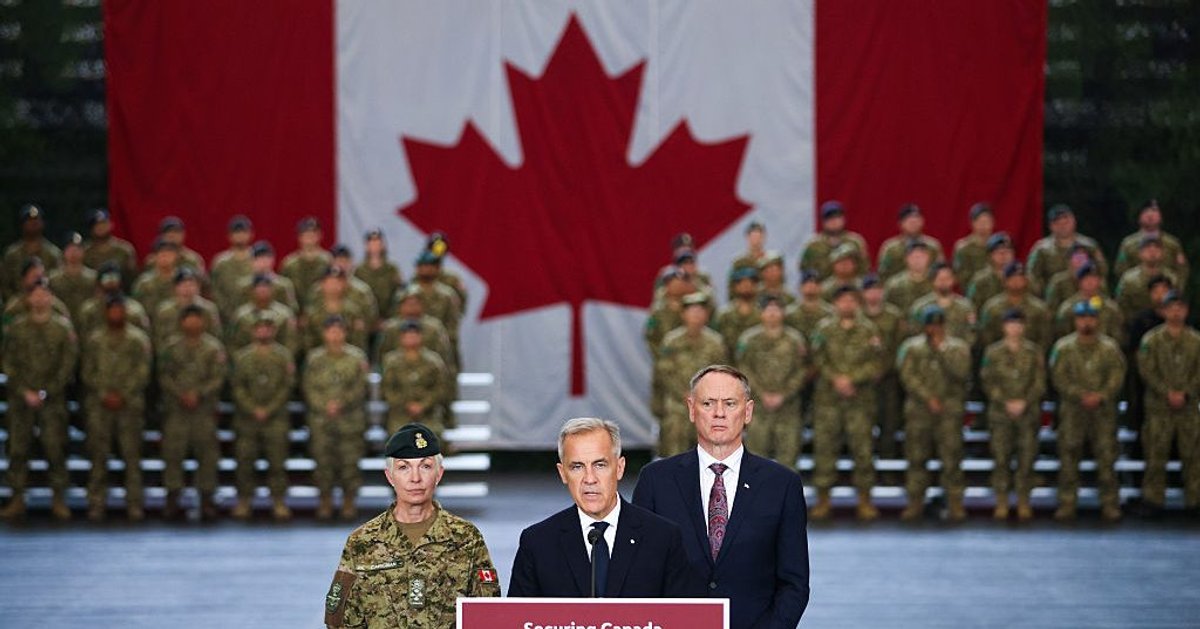
Canada has reached NATO’s 2% defense spending benchmark for the first time since the fall of the Berlin Wall, with more than CA$65bn (US$38.4bn) invested in defense and security over the past year. The government is negotiating to procure Saab’s GlobalEye AEW&C aircraft and says the program could support around 3,000 jobs, with at least 40 aircraft potentially built by Canadian workers over 15 years. Ottawa also unveiled a new Defence Investment Agency and procurement reforms aimed at speeding approvals, boosting domestic suppliers, and strengthening the Canadian aerospace and defense industrial base.
This is less a one-off aircraft procurement story than a structural change in how Ottawa allocates industrial rent. The key second-order effect is that Canada is trying to convert defense spend into a quasi-industrial policy tool, which should benefit prime contractors with Canadian manufacturing footprints, local integration partners, and firms that can monetize IP transfer and domestic content credits. Bombardier is the obvious equity proxy, but the bigger medium-term lever is the supply chain beneath it: avionics, mission systems, precision manufacturing, simulation, and maintenance providers that can qualify under the new domestic-work thresholds.
The market may underappreciate how much this shifts negotiating power away from pure foreign OEMs and toward firms that can offer both capability and local economic participation. Over 12-36 months, the biggest winners are likely to be companies that can structure Canadian JV/offset content quickly; over 3-6 months, the catalyst is re-rating on visibility of recurring procurement rather than single-platform revenue. A broader implication is that procurement timelines should compress, which raises the probability of follow-on awards and reduces the discount rate on future defense cash flows for Canadian defense-adjacent names.
The main risk is execution: the policy architecture is ambitious, but government-led procurement reforms often bottleneck in certification, industrial audits, and interagency coordination, so the market could front-run benefits that only arrive in 2026-2028. A second risk is that Canada’s industrial policy rhetoric may create winners in consultation-heavy, low-margin work without meaningfully improving returns on capital. If the program gets diluted into broad subsidy distribution, the margin benefit to local firms could be less than the revenue headline suggests.
Contrarian view: consensus will likely focus on Bombardier as the direct winner, but the better risk/reward may sit in businesses with less obvious defense exposure and more leverage to domestic supply-chain localization. The market may also be underestimating the export option: if GlobalEye becomes a Canadian assembly and support hub for allied orders, the economic value shifts from one-time airframe sales to a multi-year service, upgrade, and sustainment annuity. That favors names with aftermarket, MRO, and systems-integration exposure over pure platform OEMs.
AI-powered research, real-time alerts, and portfolio analytics for institutional investors.
Request DemoOverall Sentiment
moderately positive
Sentiment Score
0.55
Ticker Sentiment
