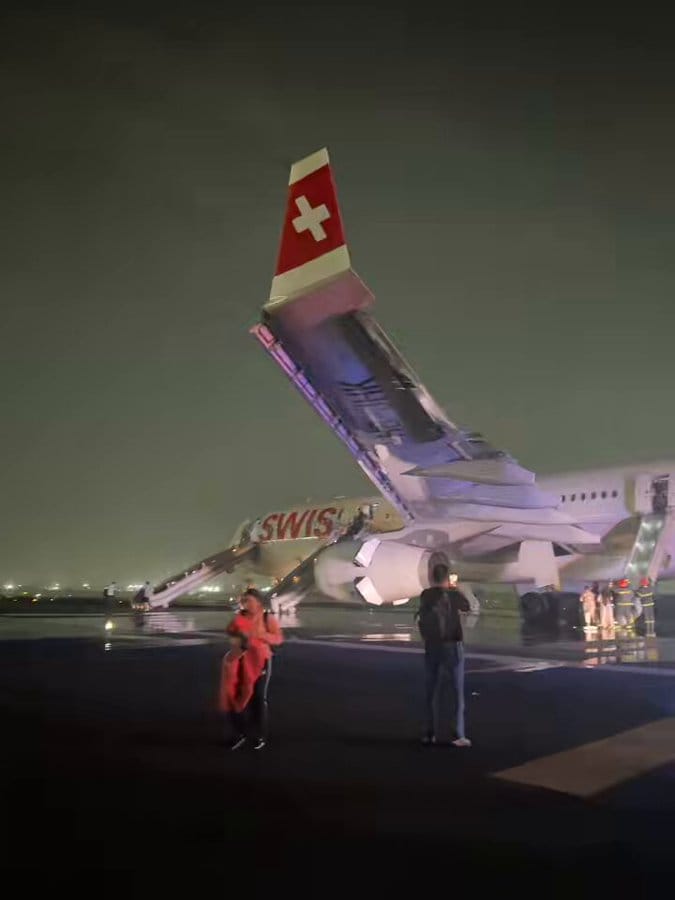
Six passengers were injured after SWISS flight LX147 aborted takeoff at Delhi airport following an engine fire; the Airbus A330 carried 228 passengers and four infants. All passengers were evacuated via emergency slides, with stairs used for those unable to use them, and the injured were taken to hospital. SWISS said it has formed a task force and will send technical specialists to Delhi to inspect the aircraft and arrange rebookings or hotel accommodation.
A runway fire on a long-haul widebody is not just an isolated safety event; it is a reminder that the post-pandemic recovery has concentrated more flying hours into aging, maintenance-intensive aircraft, especially on intercontinental routes where utilization is highest. The immediate equity impact is usually second-order, but the more important medium-term effect is a small increase in scrutiny on dispatch reliability, maintenance reserve provisioning, and engine-shop throughput across carriers with large twin-aisle fleets.
The nearest winners are airport operators and ground-handling providers with strong disruption-management capabilities, while the losers are the operating airline and, by association, peers exposed to similar long-haul fleet age profiles and engine families. If regulators force additional inspections or temporary aircraft groundings, the cost is not the incident itself but the schedule recovery burden: crew repositioning, hotel vouchers, reaccommodation, and spillover into connecting traffic can dent yield for several weeks on premium international routes.
The contrarian angle is that one event rarely changes demand for premium long-haul travel, and the market often overprices headline incidents when there is no confirmed fleet-wide defect. The real tradeable risk is not passenger fear but operational recurrence: if a follow-up inspection finds an engine or maintenance issue tied to a broader component class, the downside widens into compensation, reserve-building, and potential lease-rate pressure for similar aircraft. The clean catalyst to watch over the next 1-3 weeks is whether the incident is treated as isolated human/maintenance failure versus evidence of a systemic reliability problem.
For defense-adjacent names, this is a weak signal rather than a direct catalyst, but persistent aviation incidents can support modest budget momentum for airport fire/safety systems, inspections, and surveillance tech. That effect plays out over quarters, not days, and would be more relevant if multiple incidents cluster across major hubs in the same aircraft category.
AI-powered research, real-time alerts, and portfolio analytics for institutional investors.
Request DemoOverall Sentiment
strongly negative
Sentiment Score
-0.55
