
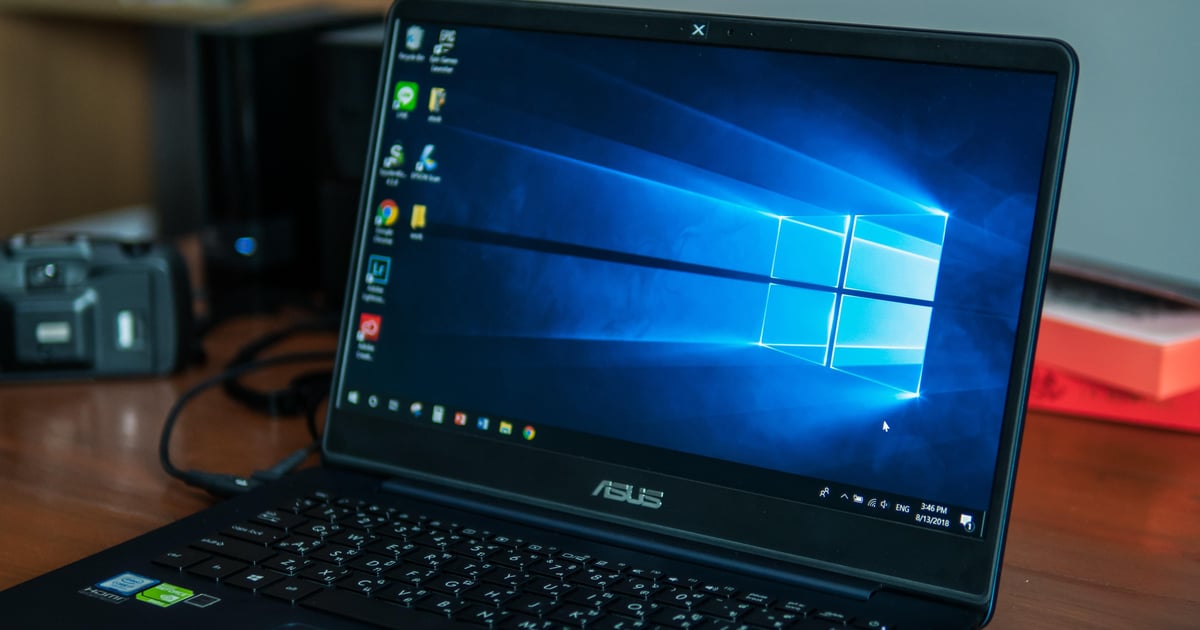
Microsoft said the original UEFI Secure Boot certificates for Windows begin expiring in late June, and it is urging IT teams to update certificates on Windows PCs made before 2024. While systems will keep functioning, devices that miss the refresh could gradually lose Secure Boot protections and fail future UEFI DB/DBX updates. Microsoft is also adding Windows Security app status indicators and next-month notifications to help users and administrators identify affected endpoints.
This is less a product event than a deferred-liability cleanup for the Windows ecosystem. The near-term economic winner is Microsoft, not from incremental revenue but from reducing support friction and preserving the credibility of its security stack; that matters because endpoint trust is a prerequisite for every higher-margin security attach. The more interesting second-order effect is that OEMs, MSPs, and enterprise IT shops become the bottleneck: certificate rollover, firmware validation, and exception handling create a temporary services demand spike that should favor firms with large device-management footprints.
The risk is operational, not narrative. Enterprises that treat this as a routine patch may miss the deadline because certificate deployment is tied to firmware state, not just OS updates; that raises the probability of localized boot failures or devices falling out of a secure-update path over the next 1-2 quarters. The tail risk is reputational for Microsoft if the UI/notification rollout lags the expiration curve, because any headline around broken endpoints will get conflated with a platform security failure even if the issue is mostly customer process debt.
Contrarian view: the market may be underpricing the persistence of Windows security gravity. Every boot-chain remediation reinforces Microsoft’s control point over identity, endpoint policy, and security telemetry, which is bullish for the broader security suite attach rate and for partners embedded in device management. But the event also modestly increases the odds of budget reallocation away from pure-play point solutions toward bundled platforms, a negative for vendors competing on overlapping endpoint/security functionality.
Timing matters: the catalyst window is the next 30-90 days as administrators inventory fleets and discover gaps. In the medium term, once compliance is achieved, the trade fades unless there are visible failure clusters or proof that a meaningful share of Windows 10 ESU-exempt devices missed the refresh. That creates a good setup for a short-duration volatility trade rather than a long-dated directional call.
AI-powered research, real-time alerts, and portfolio analytics for institutional investors.
Request TrialOverall Sentiment
neutral
Sentiment Score
0.05
Ticker Sentiment
