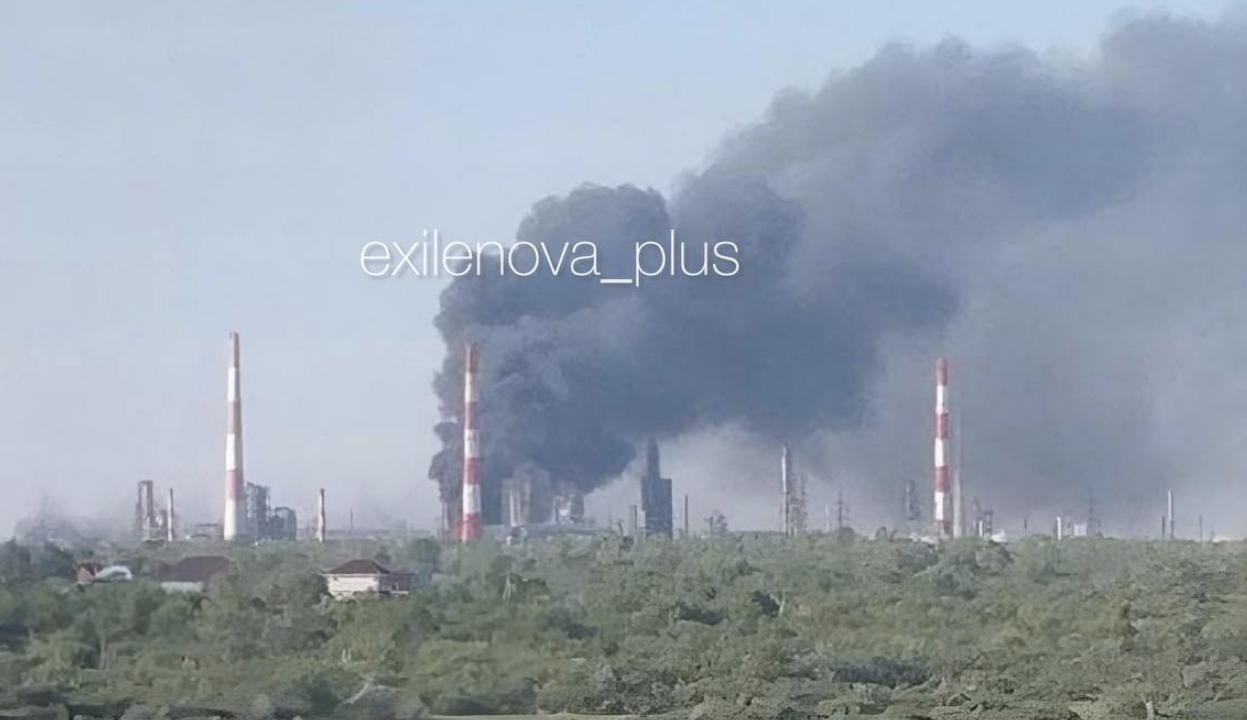
A Russian oil refinery in Syzran was reportedly struck overnight on May 21, and two people were killed in the drone attack, underscoring continued Ukrainian pressure on Russia's energy infrastructure. The article also notes that central Russia's major oil refineries have halted or rolled back production after recent strikes, including hits on the Lukoil-Nizhegorodnefteorgsintez refinery in Kstovo and an oil pumping station. The developments raise near-term disruption risk for Russian fuel output and broader energy market volatility.
The market implication is less about the headline damage and more about the cumulative erosion of Russia’s downstream optionality. Repeated hits on refining assets in the same geography raise the probability of unplanned outages, which matters because the marginal response is not just lower domestic product output but a forced reshuffle of crude flows, export mix, and regional product shortages. That typically steepens the diesel/gasoil complex relative to crude, and the first-order beneficiary is not necessarily upstream oil but middle distillate crack exposure.
The second-order effect is on Russia’s policy toolkit. If central refineries stay impaired for weeks, Moscow has a narrower buffer to absorb seasonal demand, maintenance, and military logistics needs, increasing the chance of administrative measures: export restrictions, product bans, or domestic price controls. Those interventions can temporarily cap headline crude price reaction while still tightening global refined-product markets, which is a better setup for refiners than for integrated E&Ps.
The key contrarian point is that crude may not rally as much as the geopolitical risk suggests. A meaningful share of the shock can be absorbed through reduced Russian crude throughput and higher export availability, especially if barrels are redirected rather than lost. The cleaner trade is therefore a relative-value expression: long refining margins and diesel-linked assets, short or underweight crude-sensitive transportation and industrial users, with the catalyst window measured in days to weeks rather than quarters unless strikes persist and maintenance recovery is repeatedly delayed.
Tail risk is a broader infrastructure degradation cycle: once insurers, crews, and spare parts logistics become unreliable, outage duration extends nonlinearly. That would turn a tactical supply disruption into a structural Russian product deficit, potentially sustaining elevated crack spreads for months. The main reversal risk is a ceasefire or a successful Russian hardening of refinery defenses that lowers hit frequency and restores processing rates quickly, which would compress the trade back toward normal cracks.
AI-powered research, real-time alerts, and portfolio analytics for institutional investors.
Request DemoOverall Sentiment
moderately negative
Sentiment Score
-0.45
